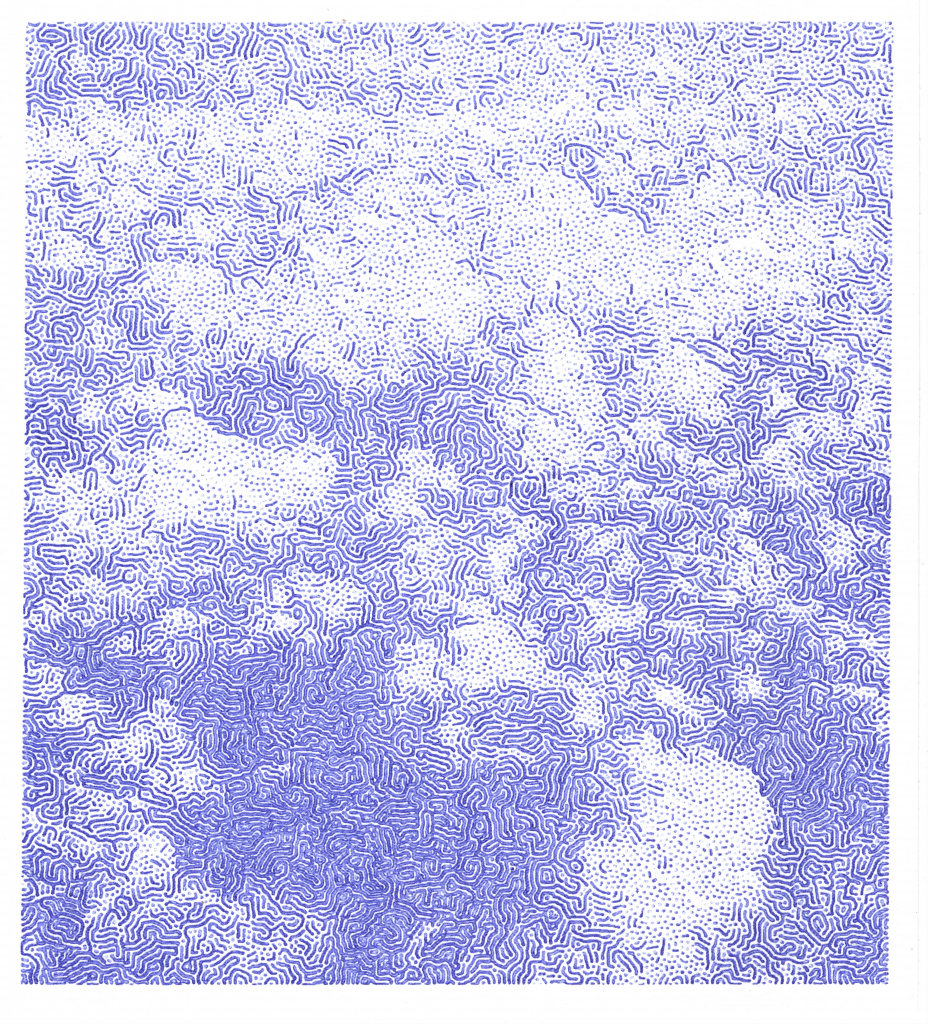
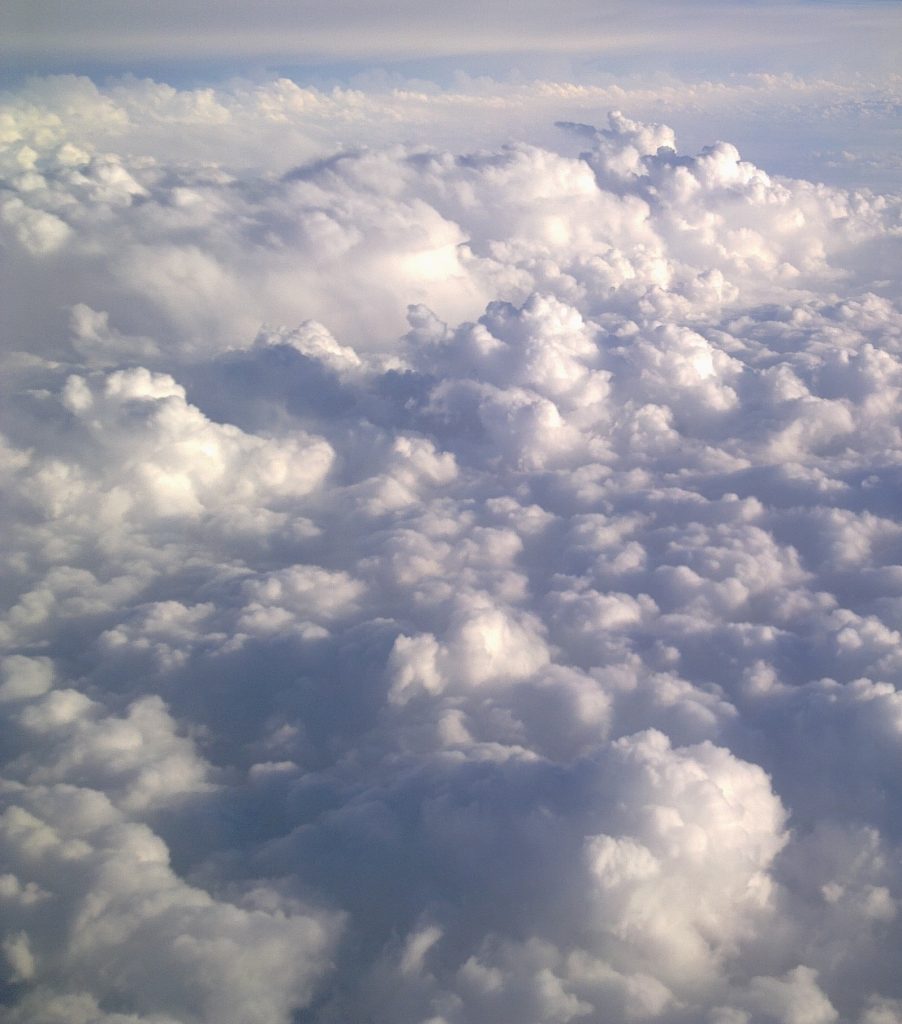
But the sky is just too much some times

But the sky is just too much some times
I plotted a bunch of UV snowflakes. I keep giving them away so I needed to rebuild my stock.
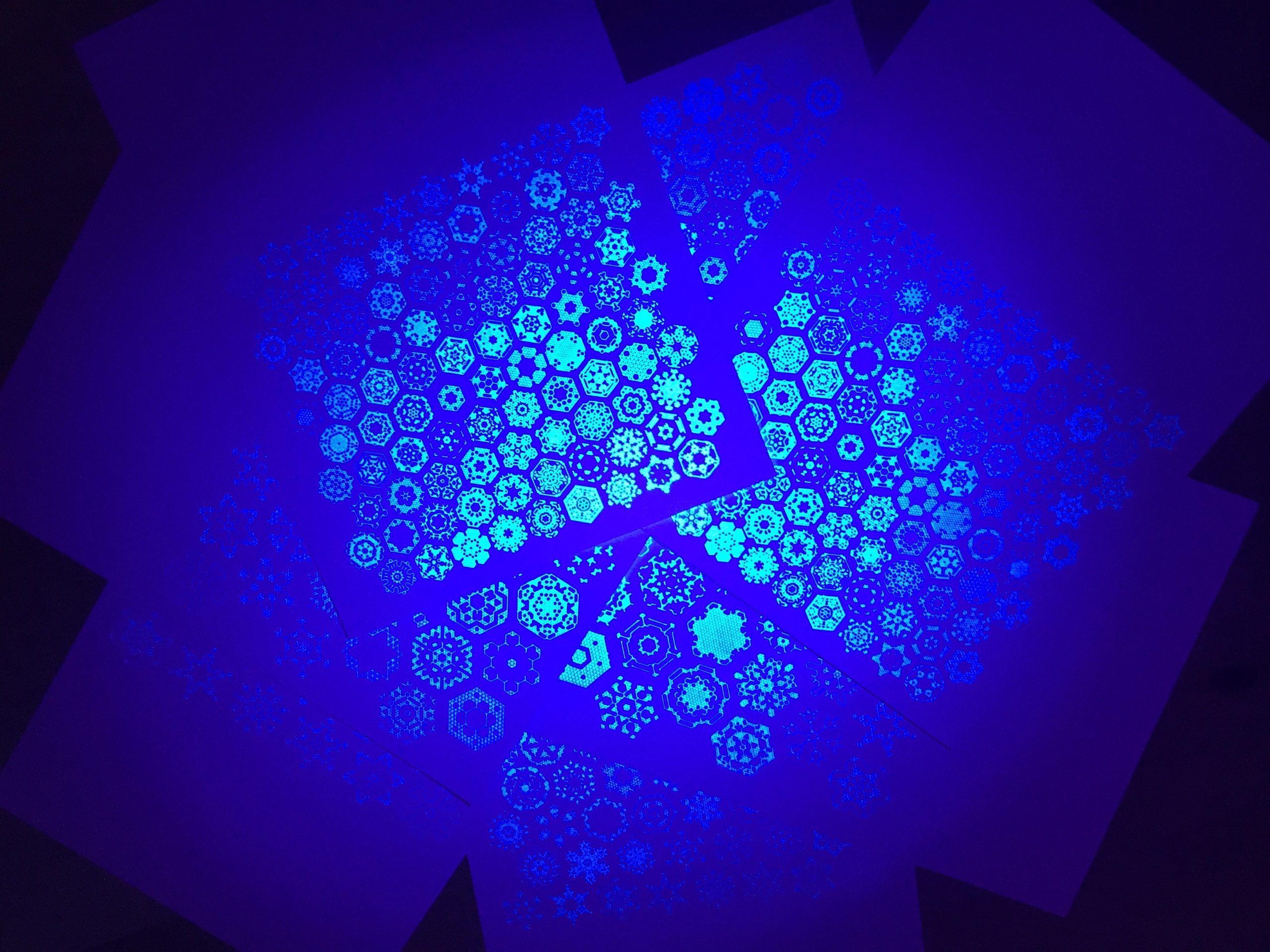
I hand them out to kids with a super cheap UV LED. They love it and then they shine the light everywhere else searching for reflective surfaces. It’s much like playing with a magnet where you try to discover where it will stick.
Hey psssst, kid, you want some snowflakes? I got some sheep too.
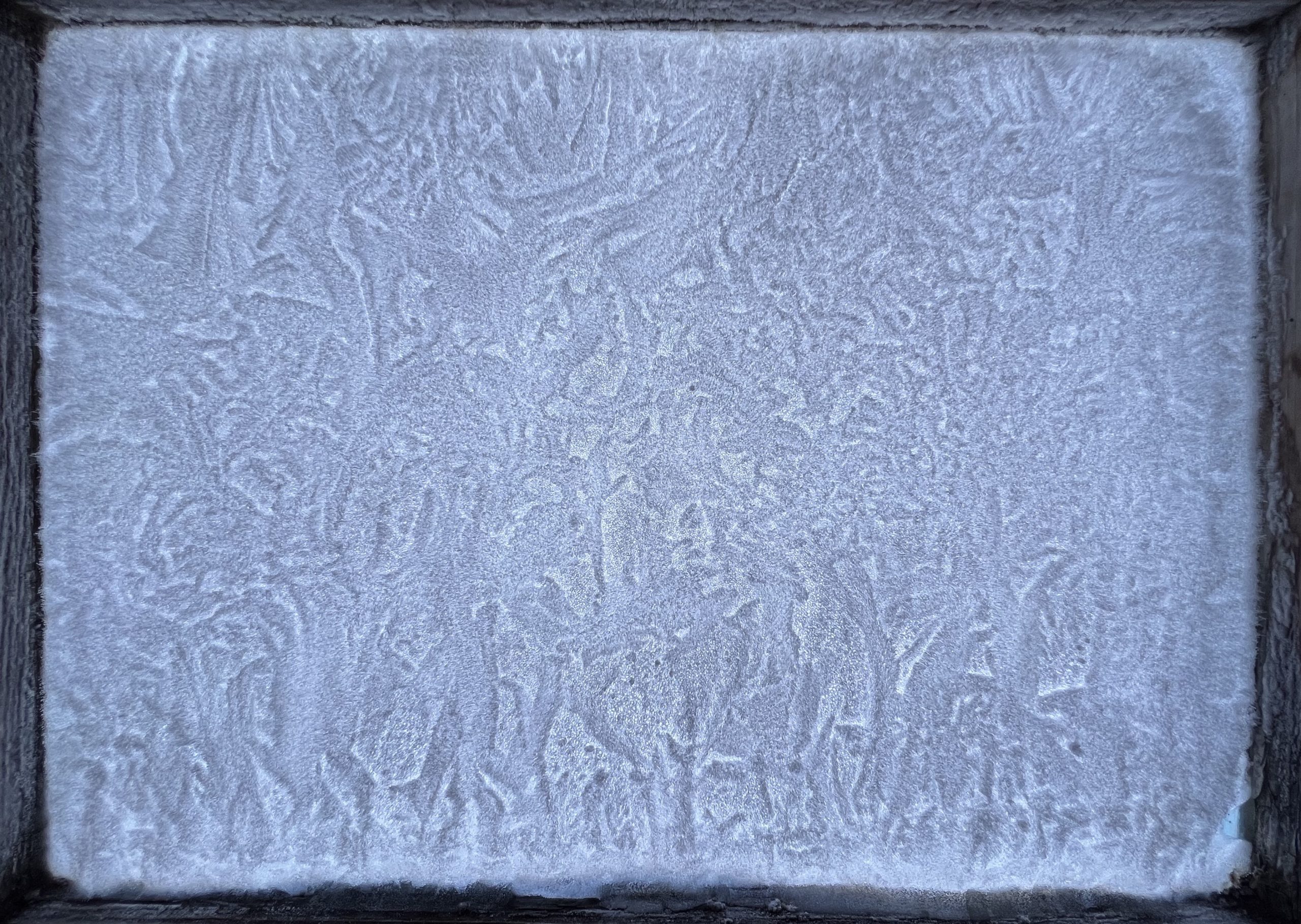
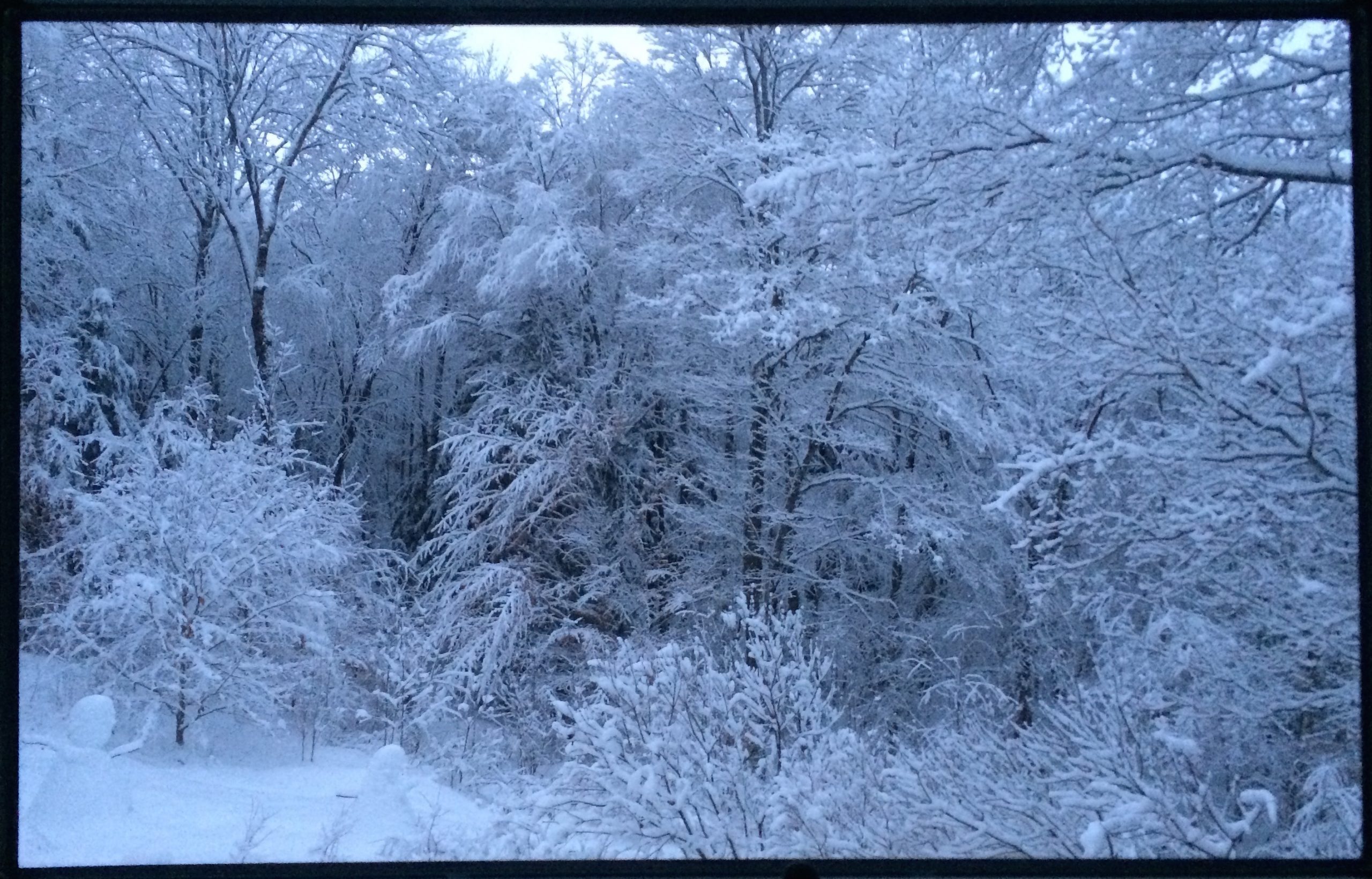
Of ice patterns

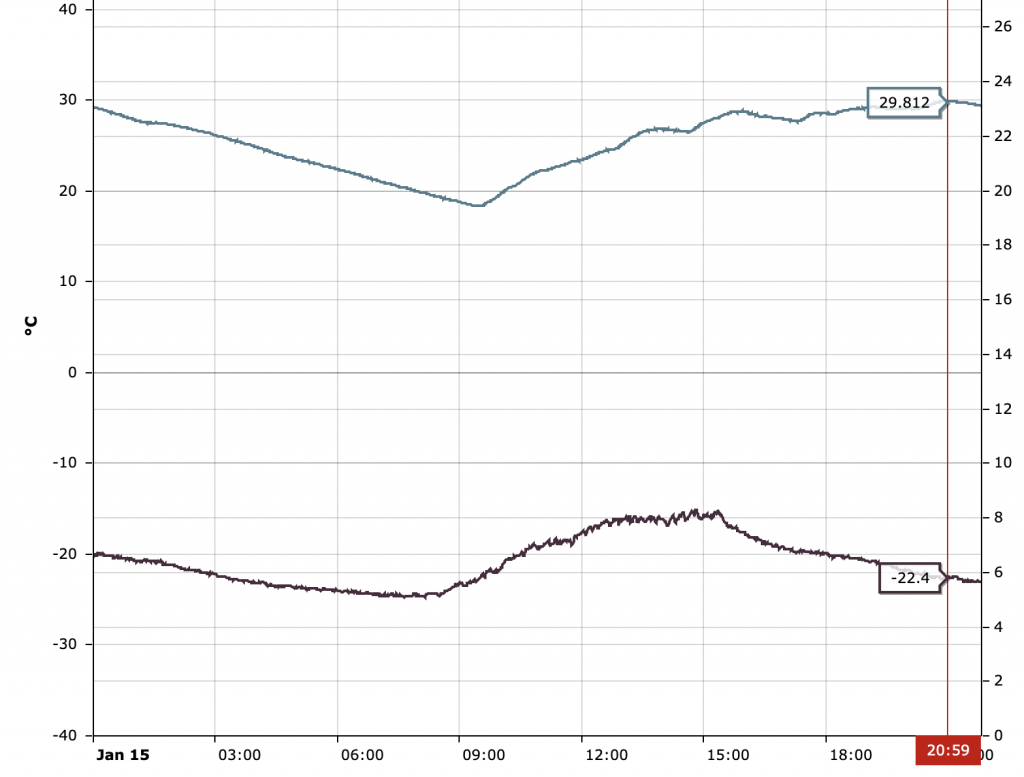
We’ve gotten quite good at managing the heat in the house. On super cold nights, we used to wake up a few times a night to keep feeding the fire, this is no longer the case. I rebuilt the house temperature Pi which got borked and I never fixed, I’m curious to compute the variance in house temperature from early years to now.
50° differential opening the door
I’ve been after this one a long time with many failed and “meh” attempts. Once again tooling adequacy is only recent.
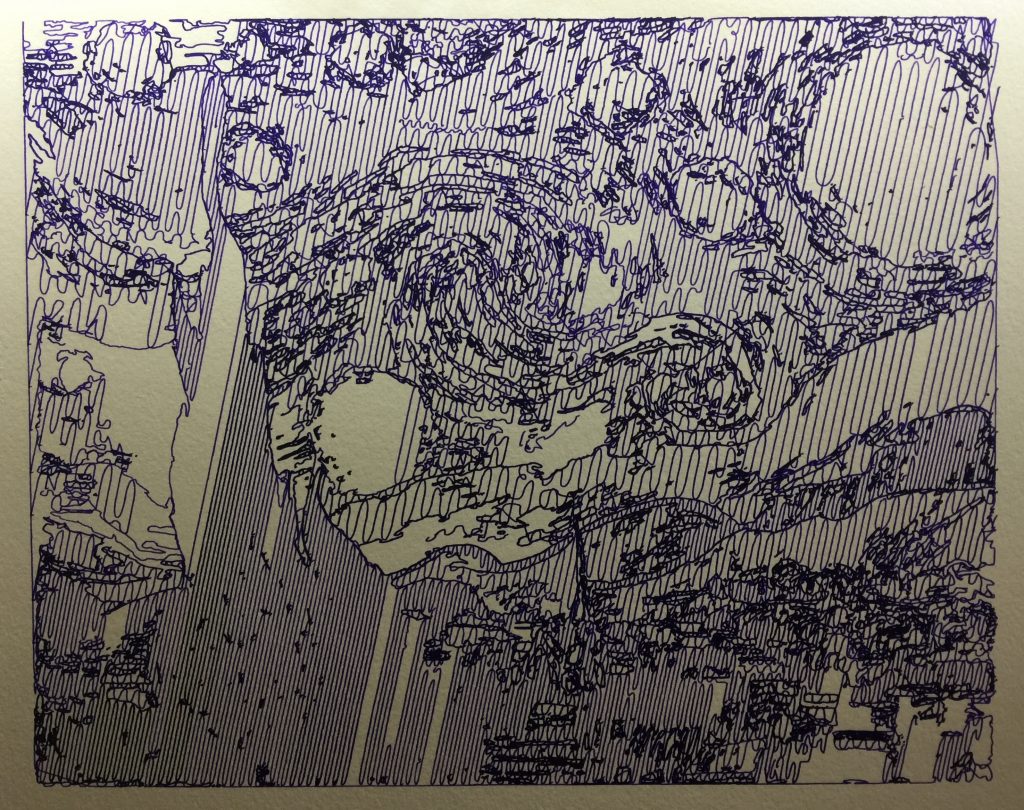
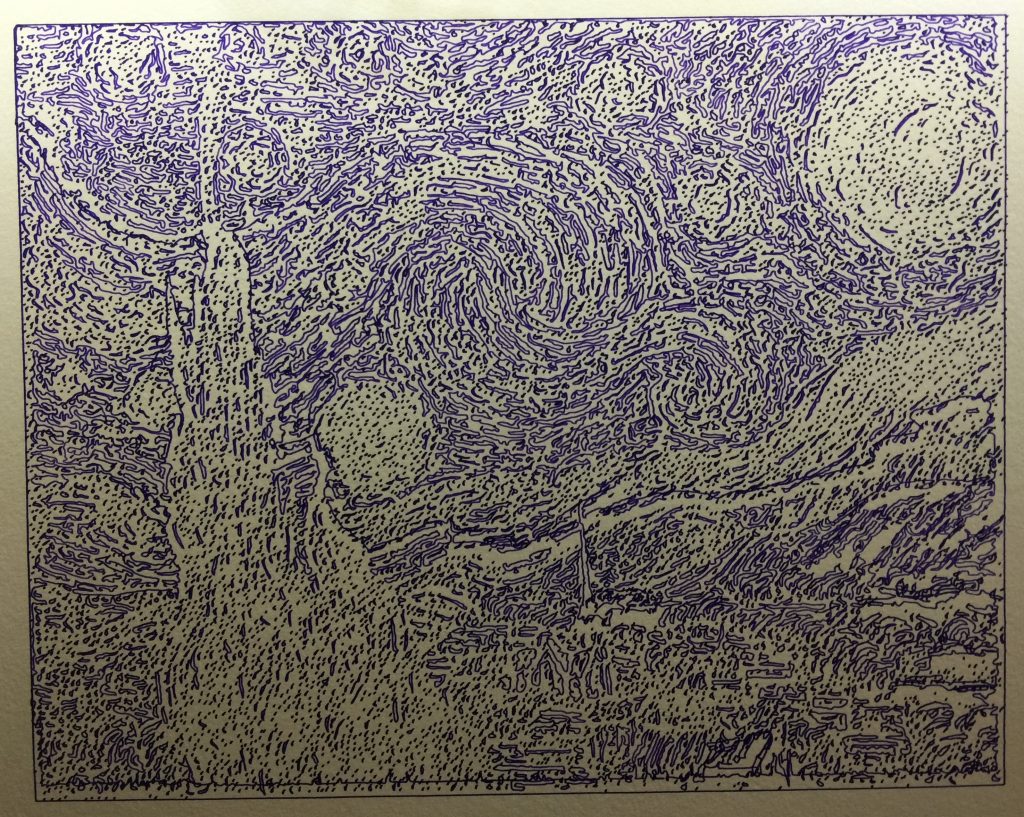
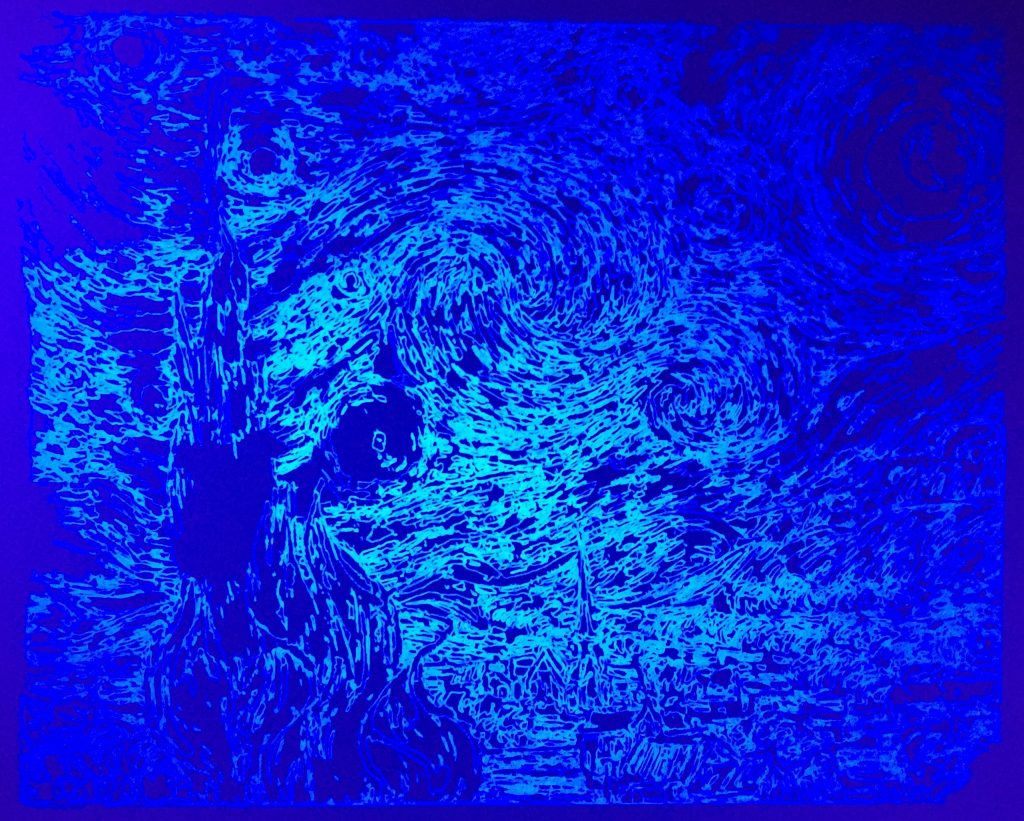
And seeing all the attempts, Robin tried his hand at it 🙂
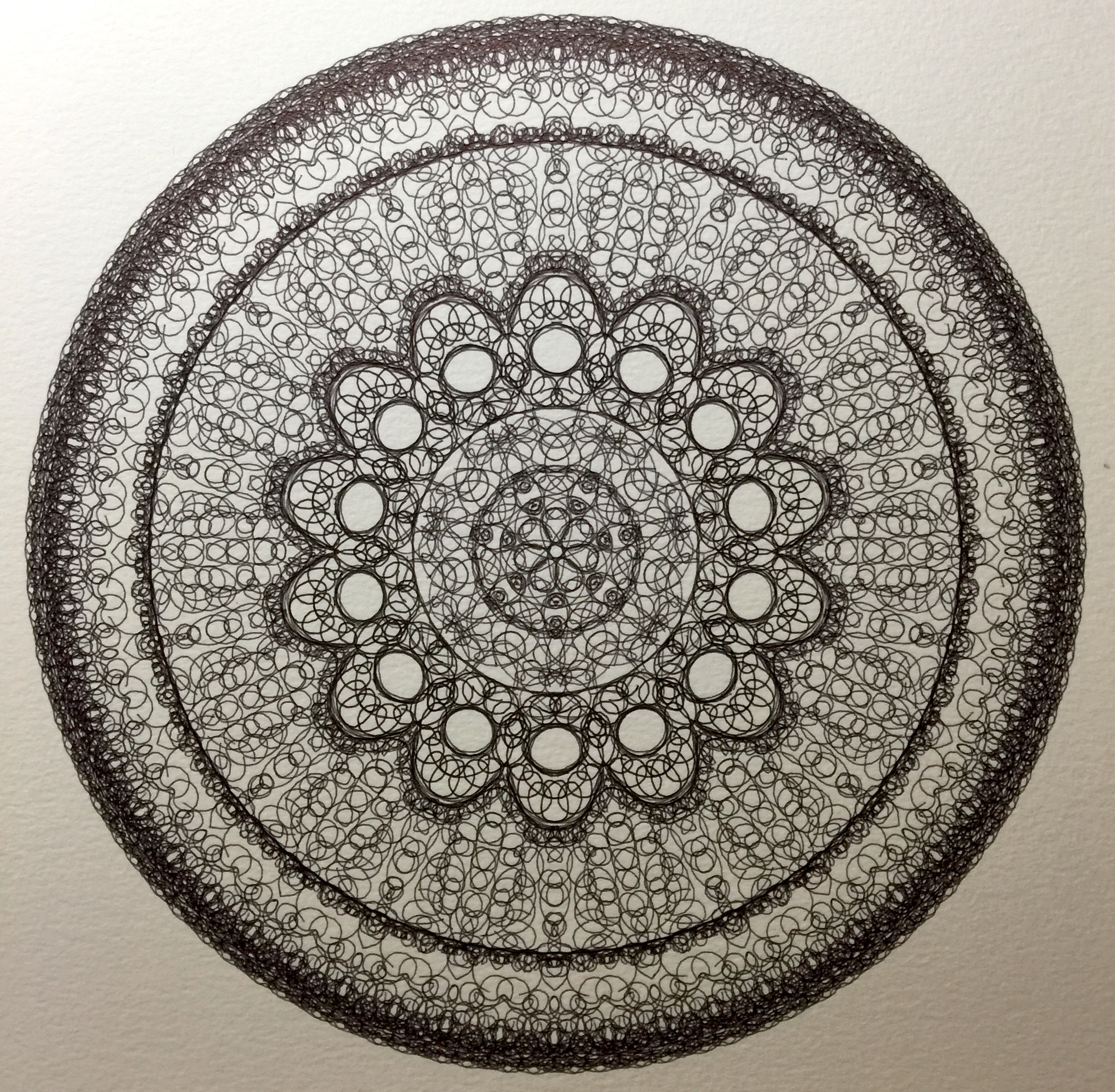
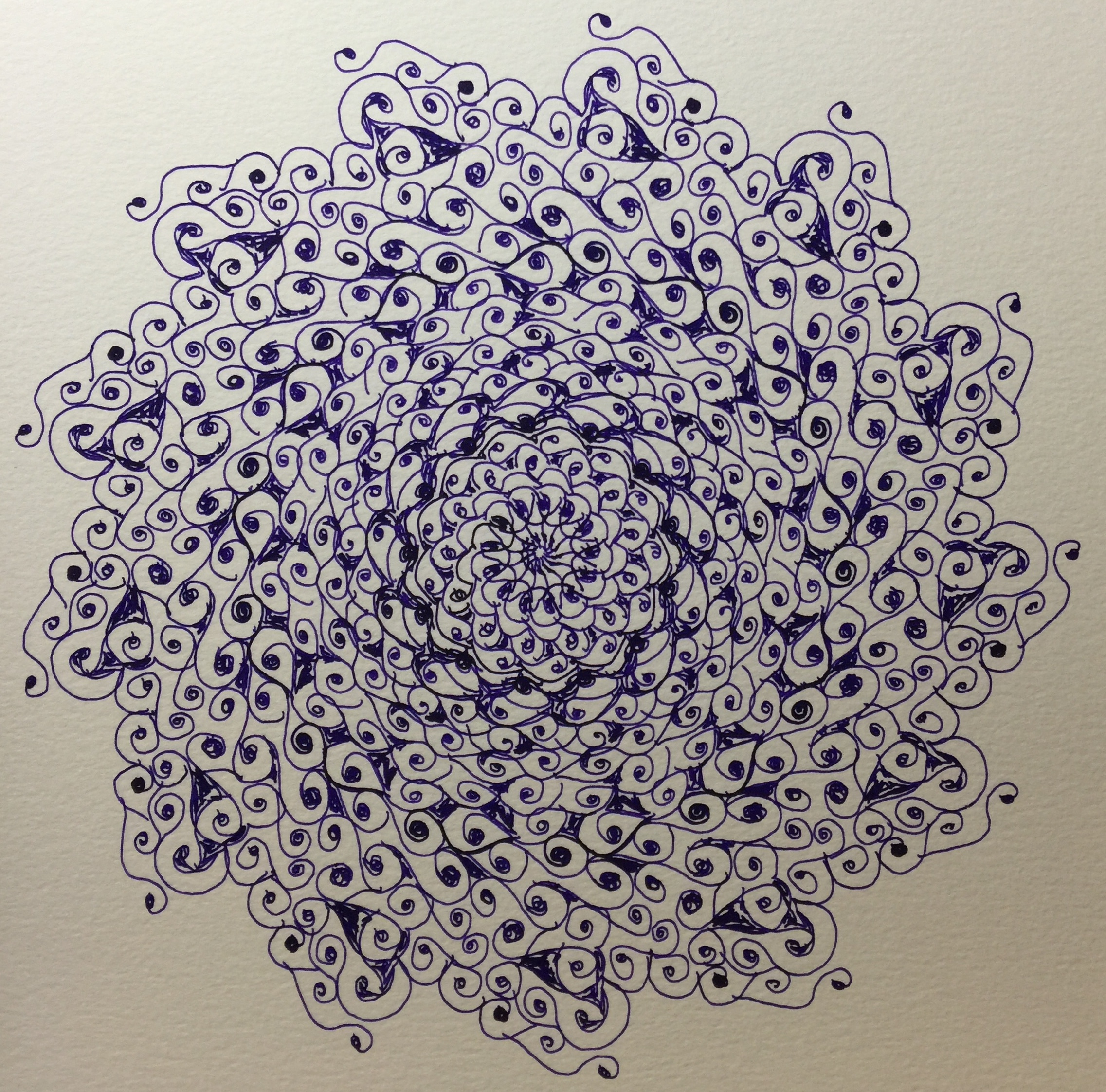
This is close to the upper limit for plot complexity. The squiggles are packed so tight the ink and the fine point pen laying it are at the limit of what they can do while keeping the strokes distinct.

Having lived alongside machines my whole life, I never fully understood until this project what they were capable of. I knew it, but I didn’t understand it fully. I could I never draw this well, I wouldn’t have the dexterity to make these strokes, I wouldn’t have the ability to draw as fast, as relentlessly, or as flawlessly. Lastly, for the 17 hours that the plotter was drawing away, I was free to do other things. I know it’s not much of an epiphany but I found myself starring at this ongoing plot quite a bit pondering about how overwhelmingly better this machine was at drawing than I could ever hope to be. It’s one thing when a machine does something completely foreign that just isn’t possible for us humans, it’s another much more relatable thing when it holds a pen and draws. Learning about stepper motors has been a small revolution in my mind, and I see them everywhere in the world now.
I think I’ve pushed this one machine as far as it can go while still producing something of value. It’s a really good feeling to have pushed it this far given it represents the culmination of a 3 year pursuit. Now I can focus even more on the funner aspects of plotting cool things, knowing the machine and software stack can tackle the maximum level of complexity I would throw at them.

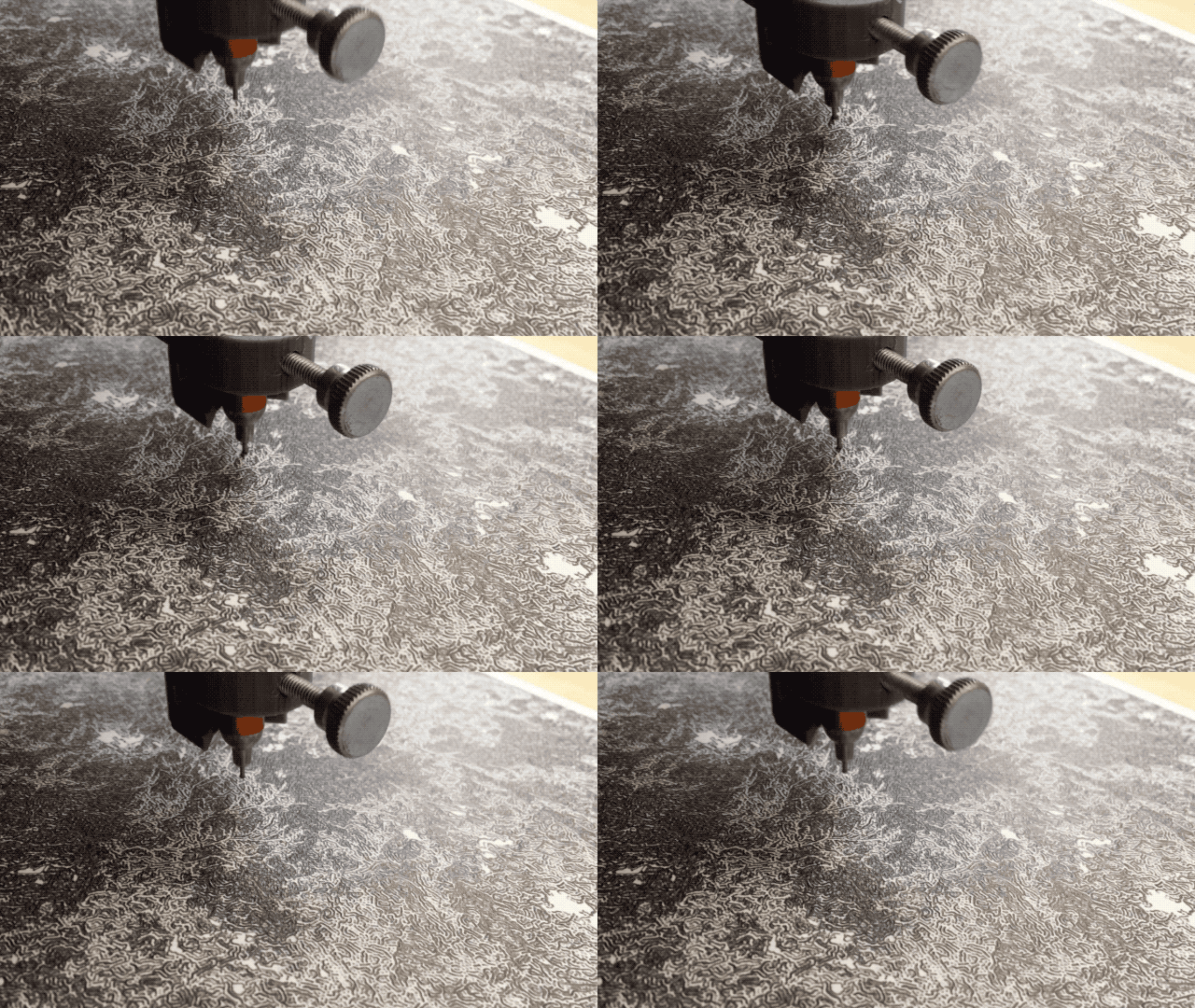
Reference: Ivan Murit’s Texturing
I’ve attempted this one many times and only recently had proficient enough tools to bring it to fruition.
I found a super fun Hex Map generator, this just had to be plotted even though the SVGs it makes aren’t super plotter friendly.
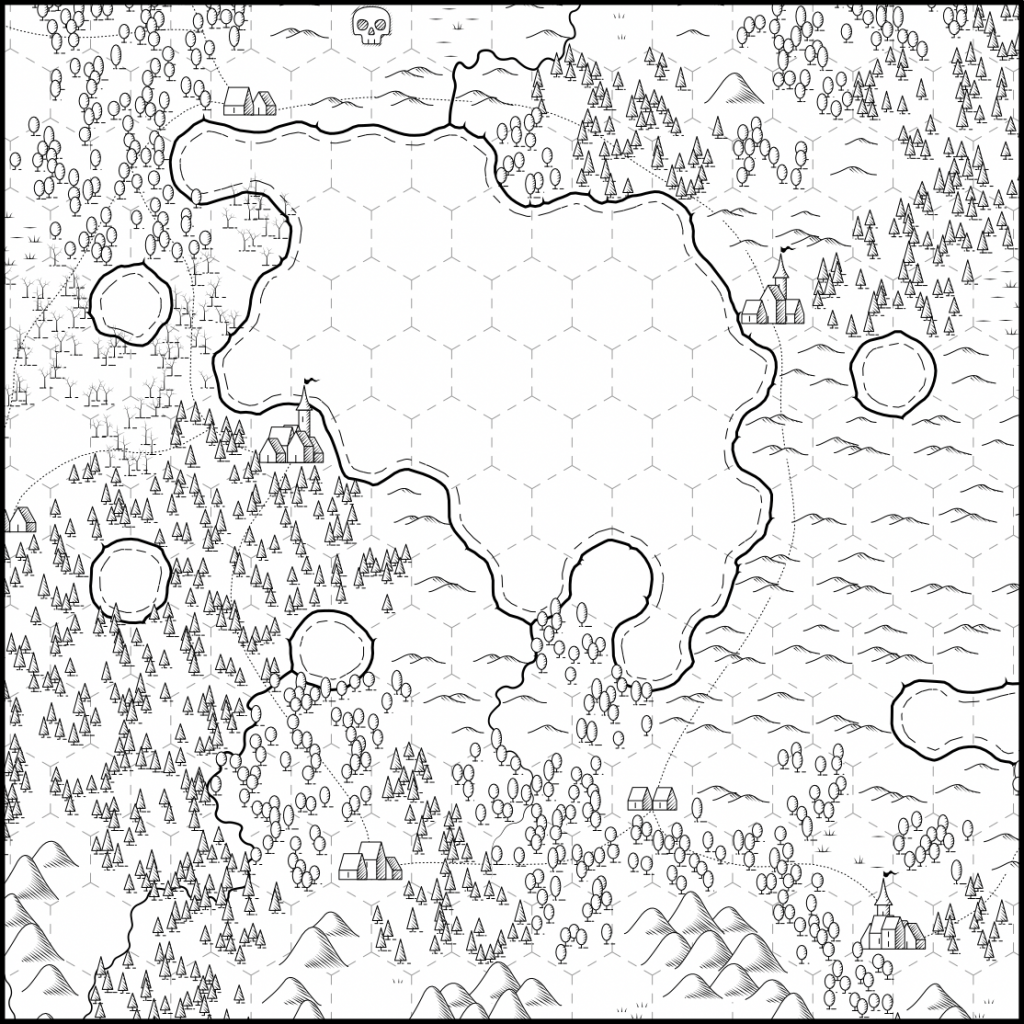
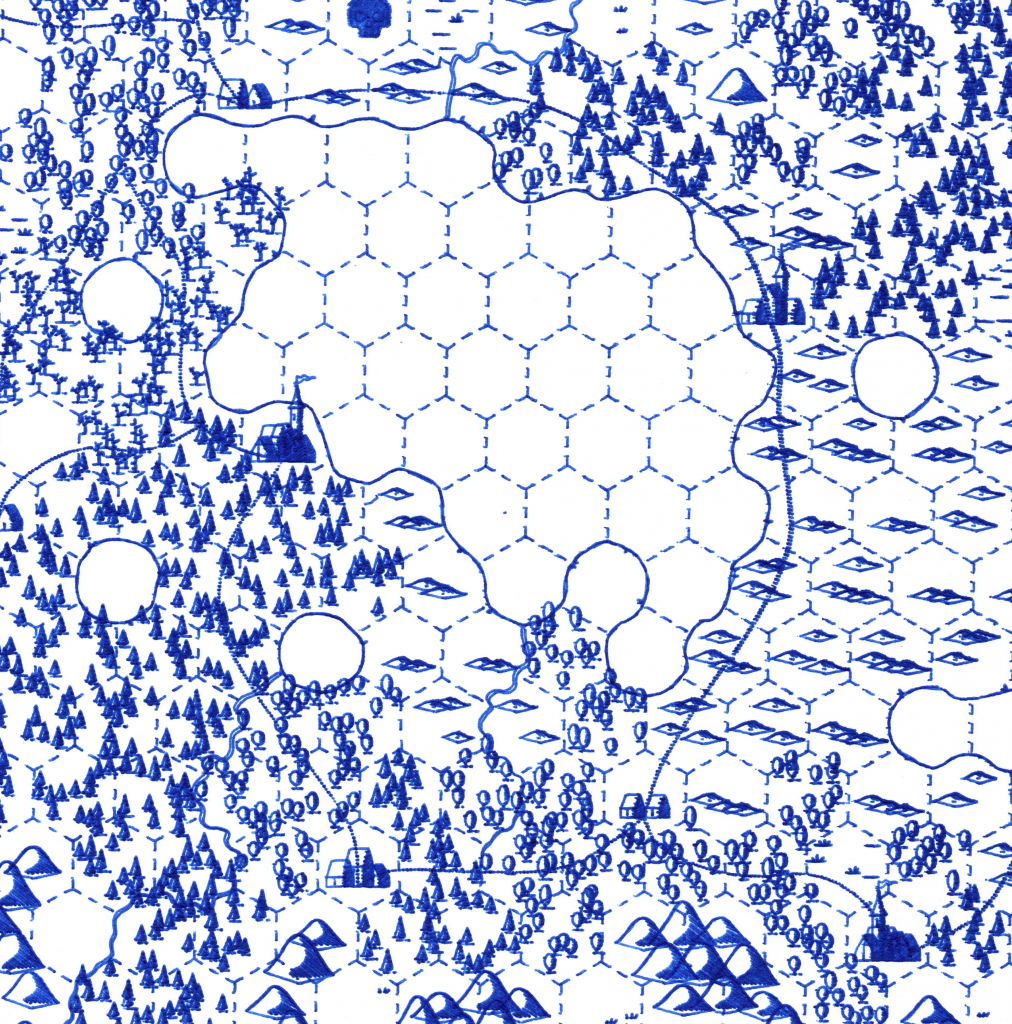
Little by little I’m increasing the complexity of what I can send to the plotter. As an image passes through the various programs I choose for a particular render, I push their limits and often run into bugs, memory limits and others. As much as possible, I dockerize each step so they are easier to summon and improve on their own. This also allows for pipelining.
I finally found a fast and reliable SVG->GCode converter. Inkscape’s is reliable but it’s extremely slow. I had to rewrite a part of it to be iterative rather than recursive so it could handle the size of the SVGs I am throwing at it.
Inkscape itself has a command line mode so some of the repetitive stuff I use it for are dockerized, for example to ungroup objects and break apart compound paths. It’s truly amazing.
I kind of want to publish all this but I have no idea if I violated any licenses frankensteining code from various sources. And I have much better things to do with my time than to find out. Things such as this wonderful plot:

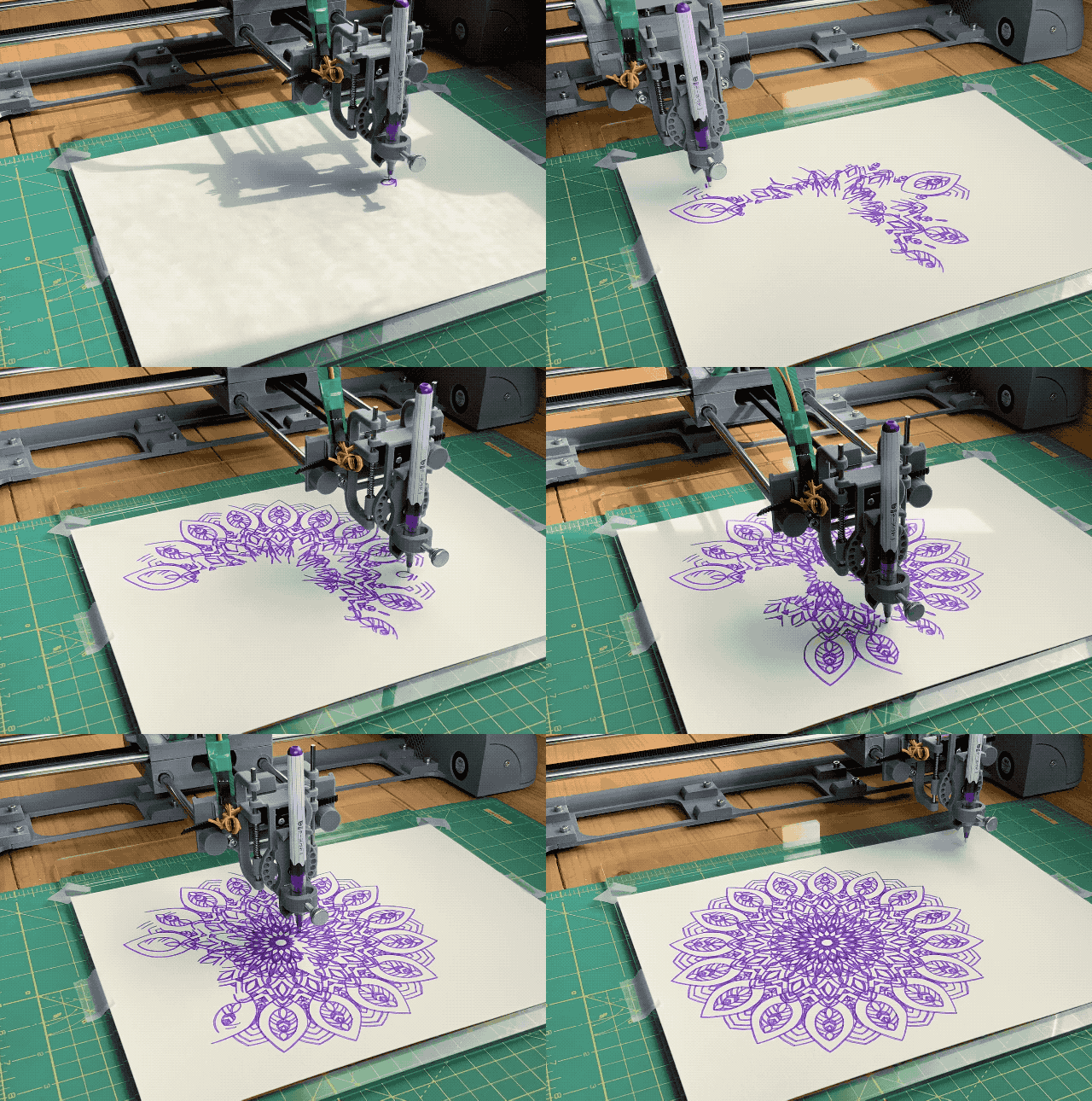
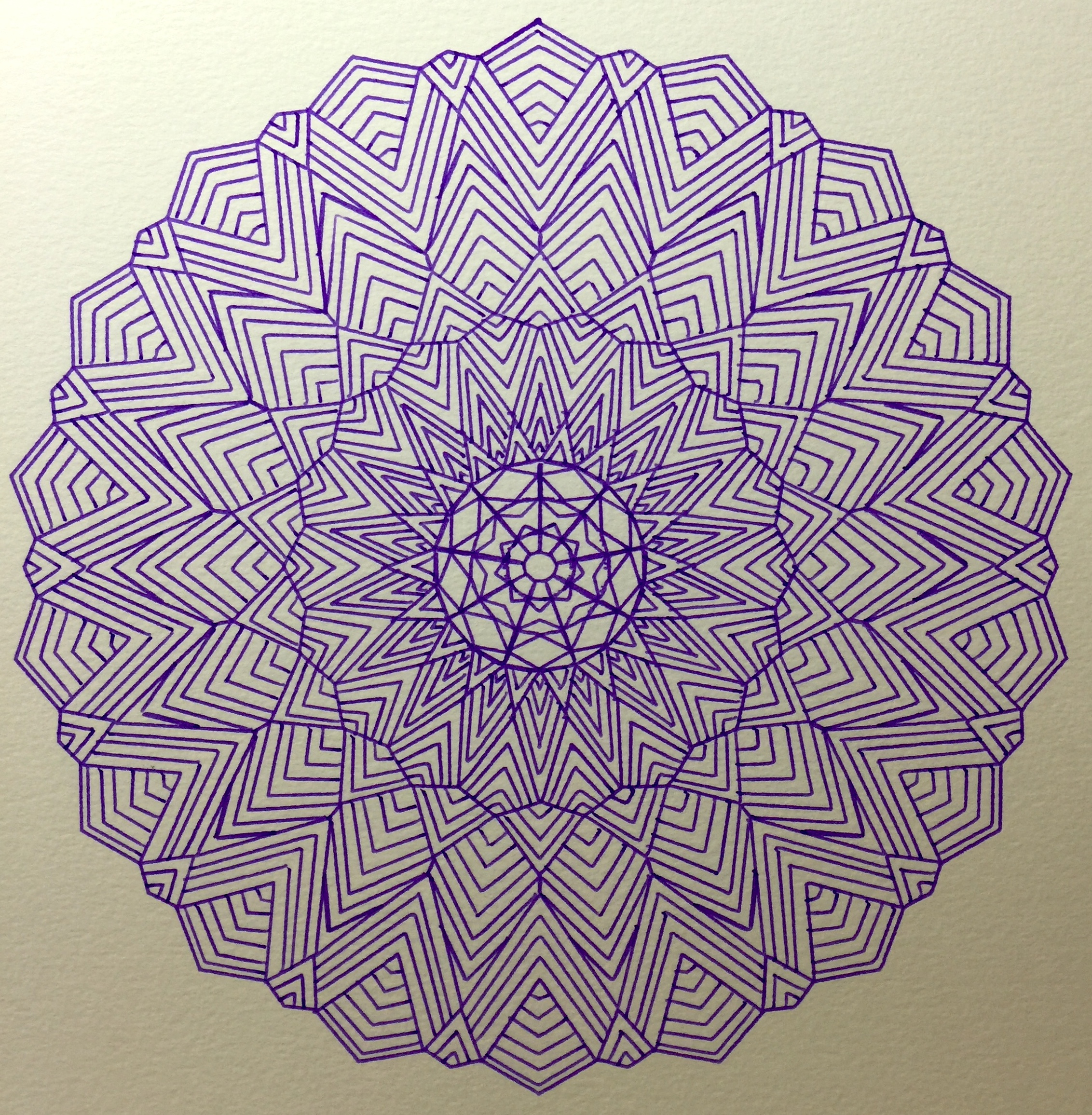
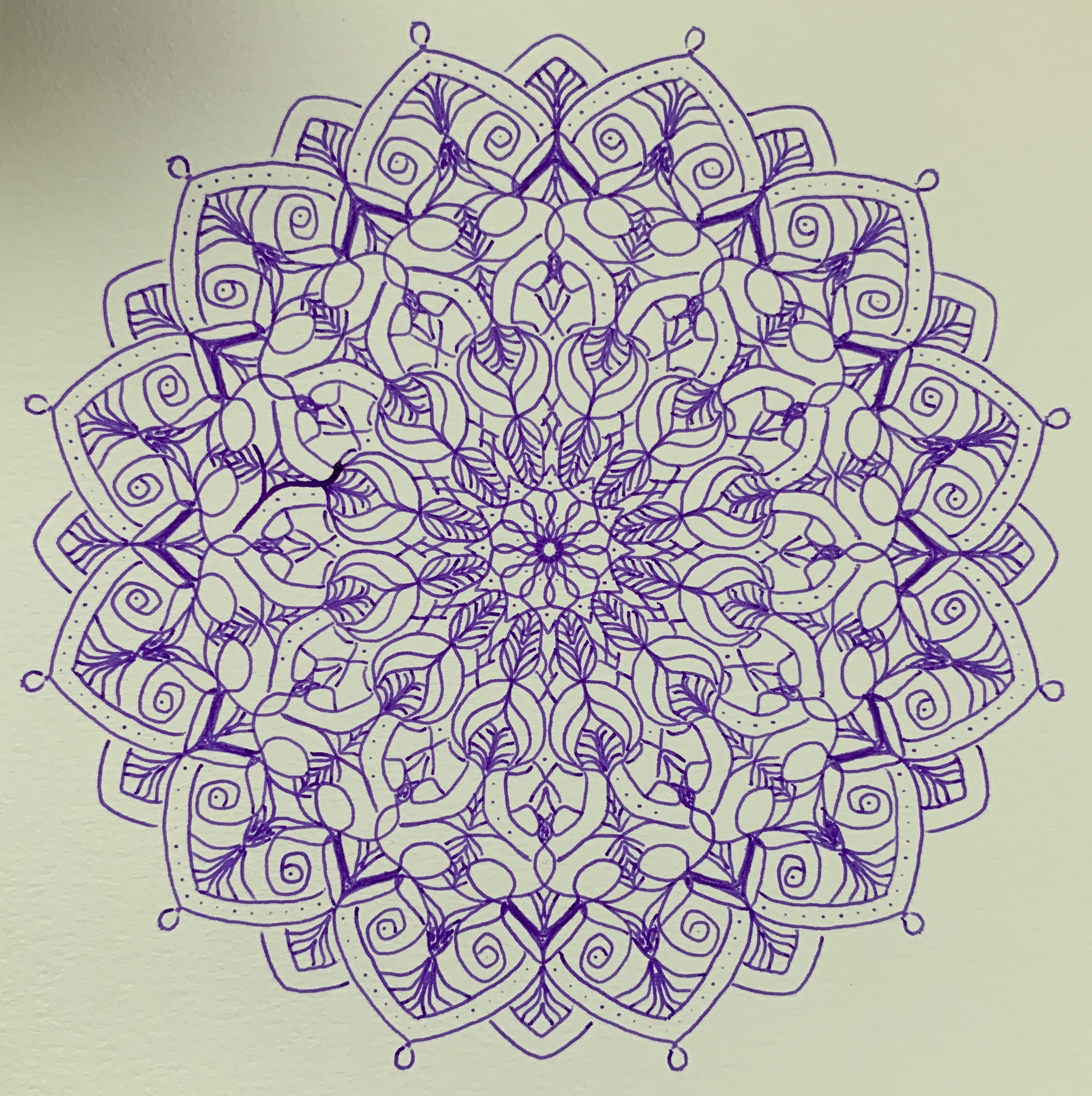
I’m going through a big plotting batch, including a lot of creations from Mandalagaba. It’s very lucky to have this stream of material to pick from.
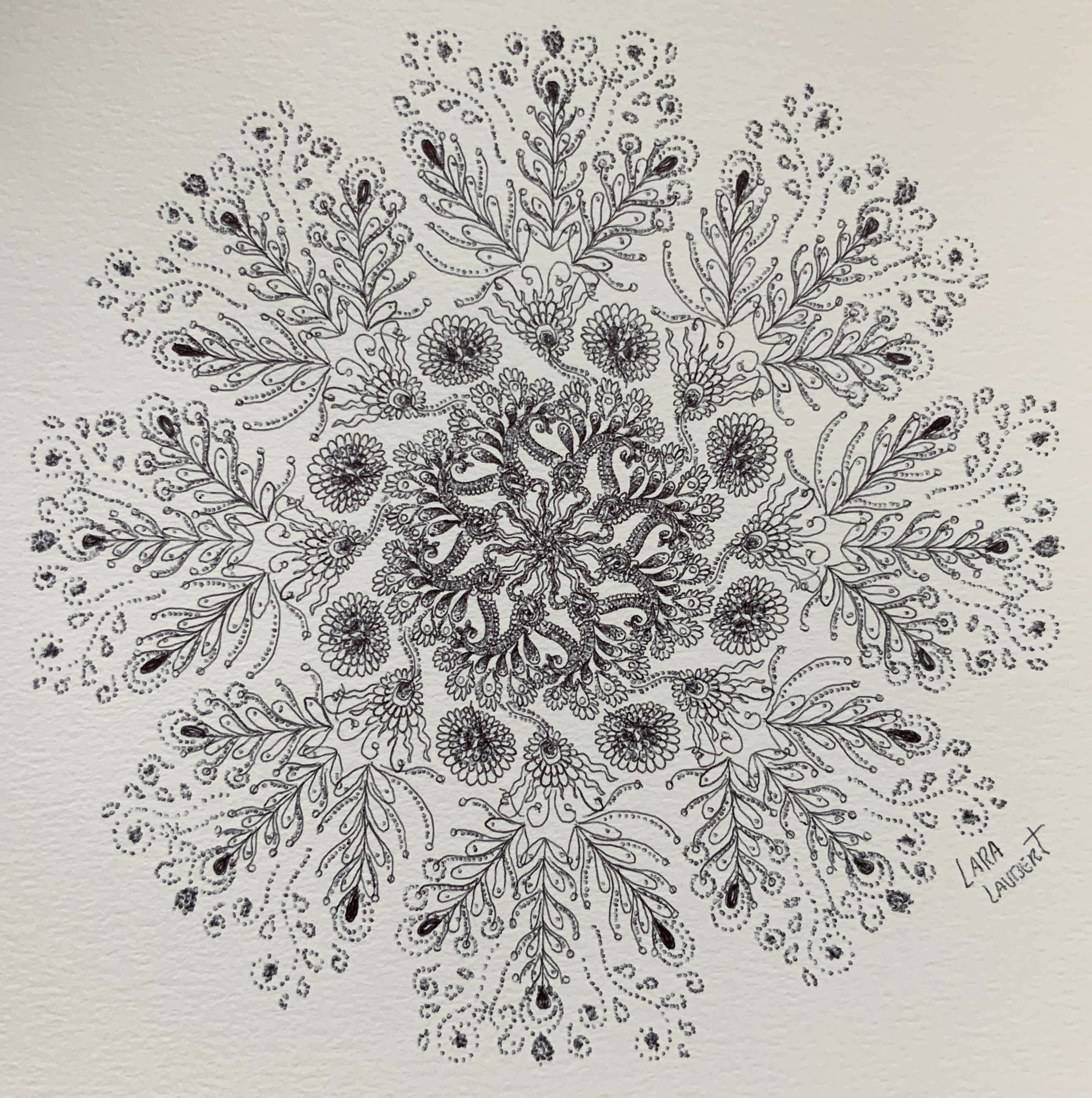
Most of the work here from Hava Edelstein, 1 From Lara Laubert and a couple of unknowns.
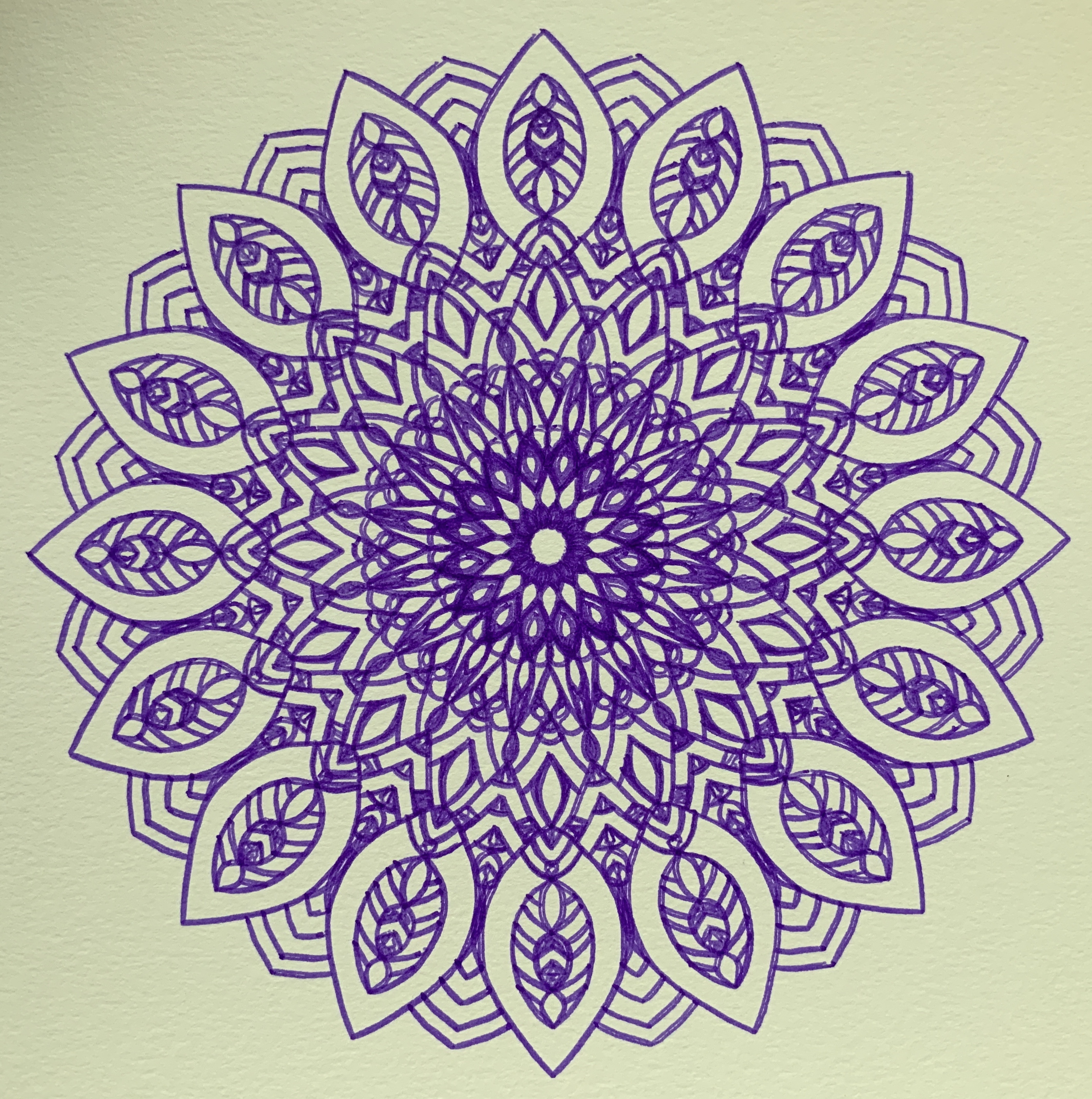
Fountain pen
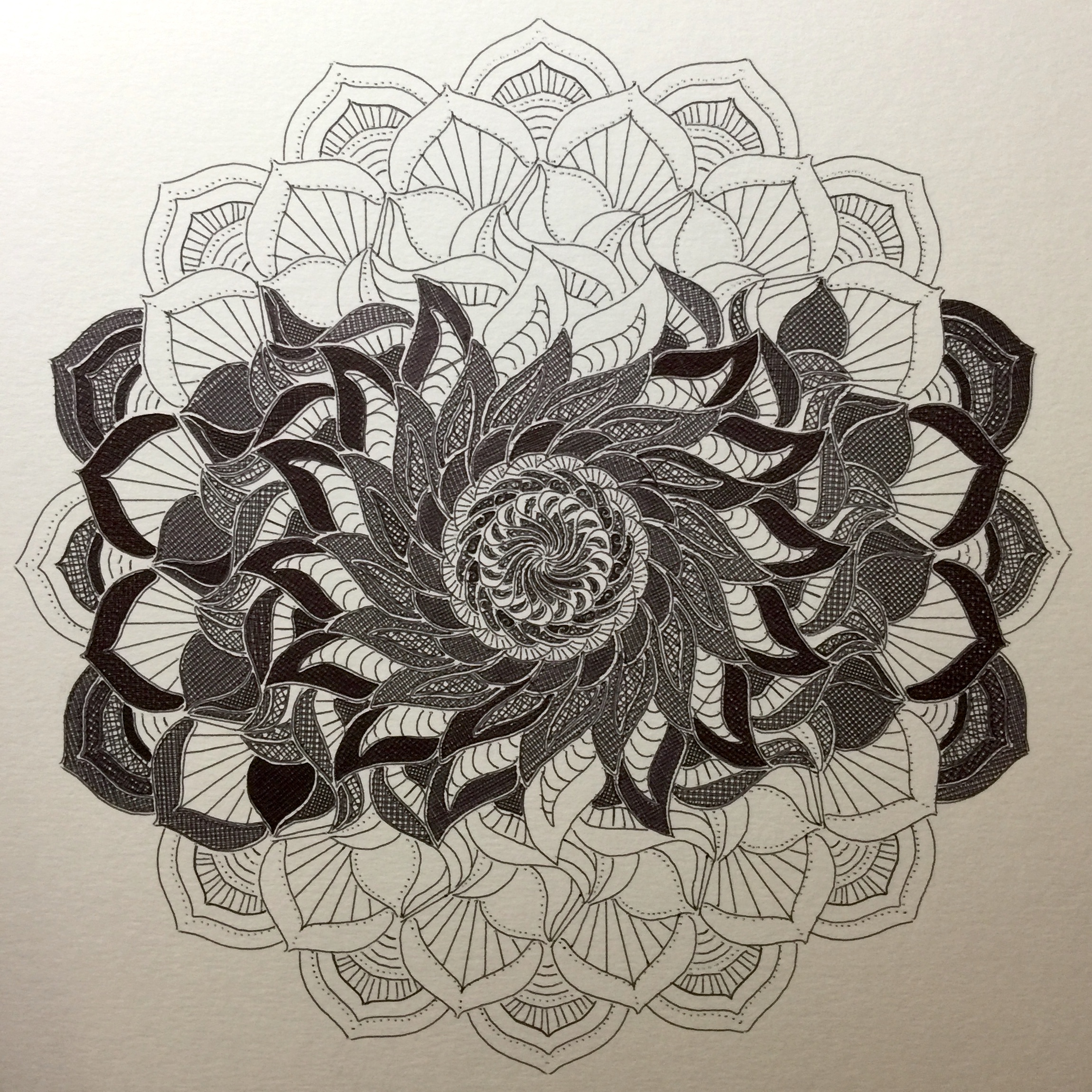
I cobbled together a program to cross-hatch colors into various densities based on luminance.
I also finally have a fast SVG to GCode converter, I’ve been after this holy grail for years but always reverted to the super slow yet reliable Inkscape converter. I rewrote a fast one I found which crashed on large SVGs (the whole reason to get a fast one in the first place). It works like a charm after turning certain recursive calls iterative.
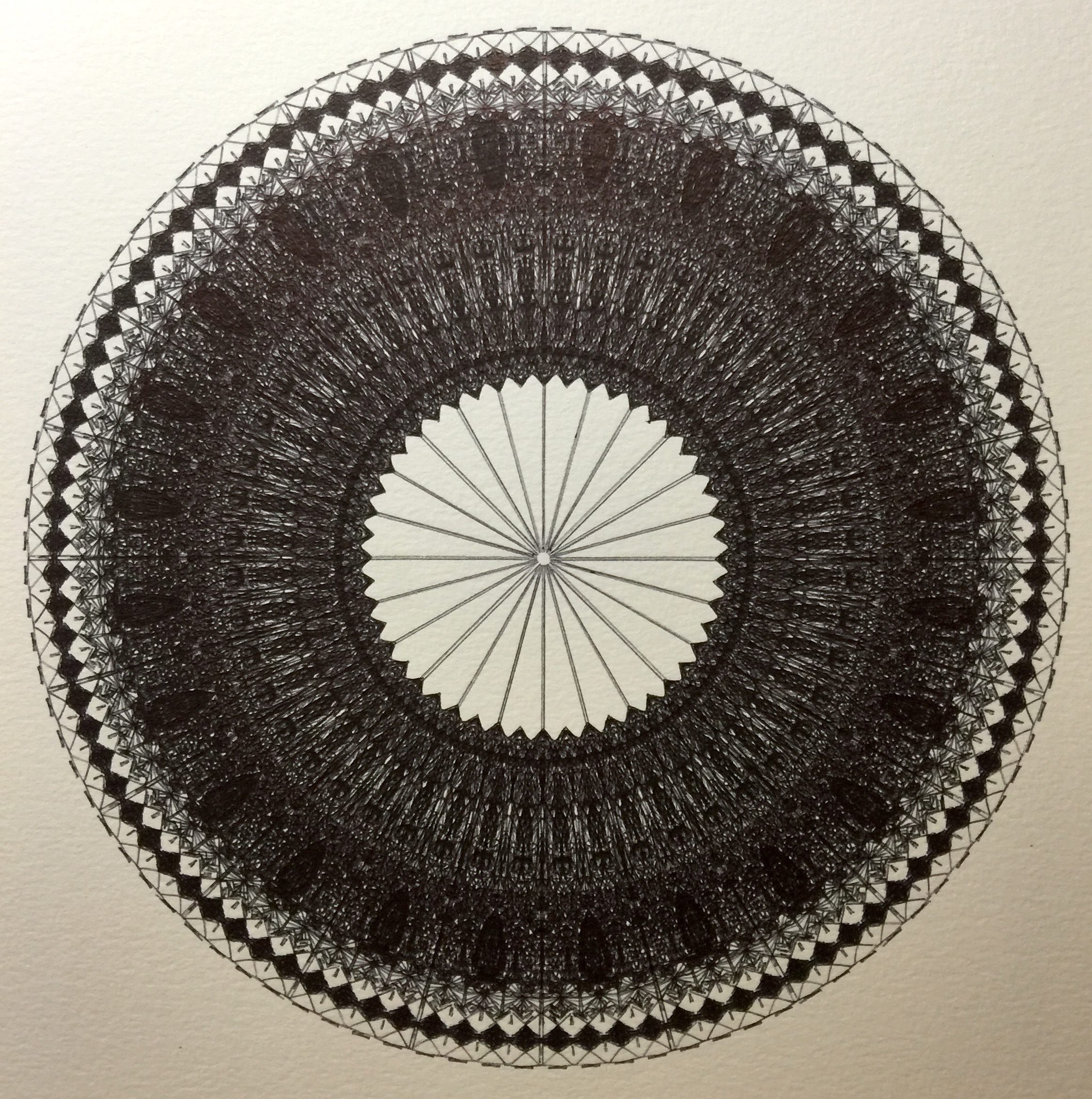
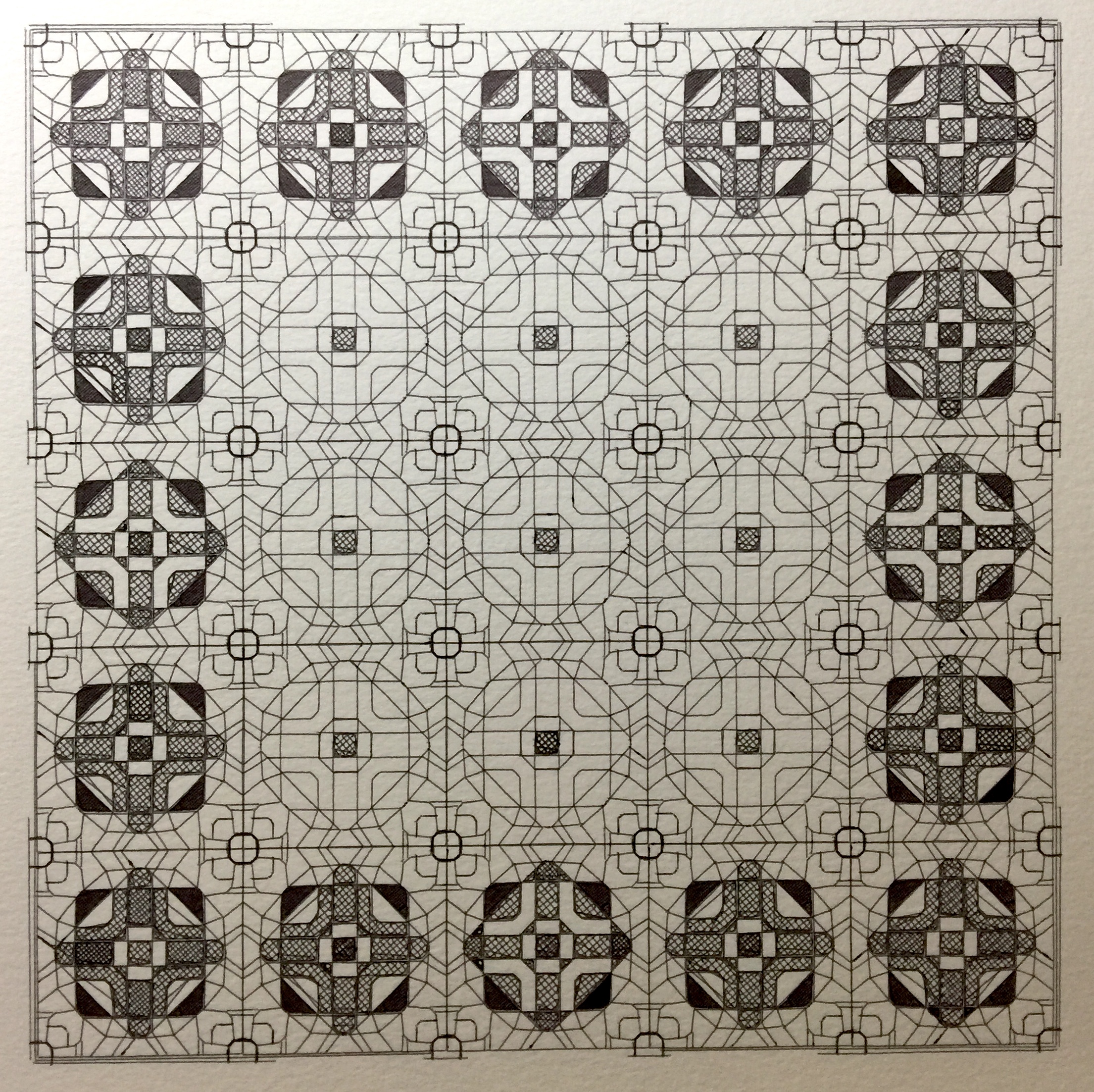
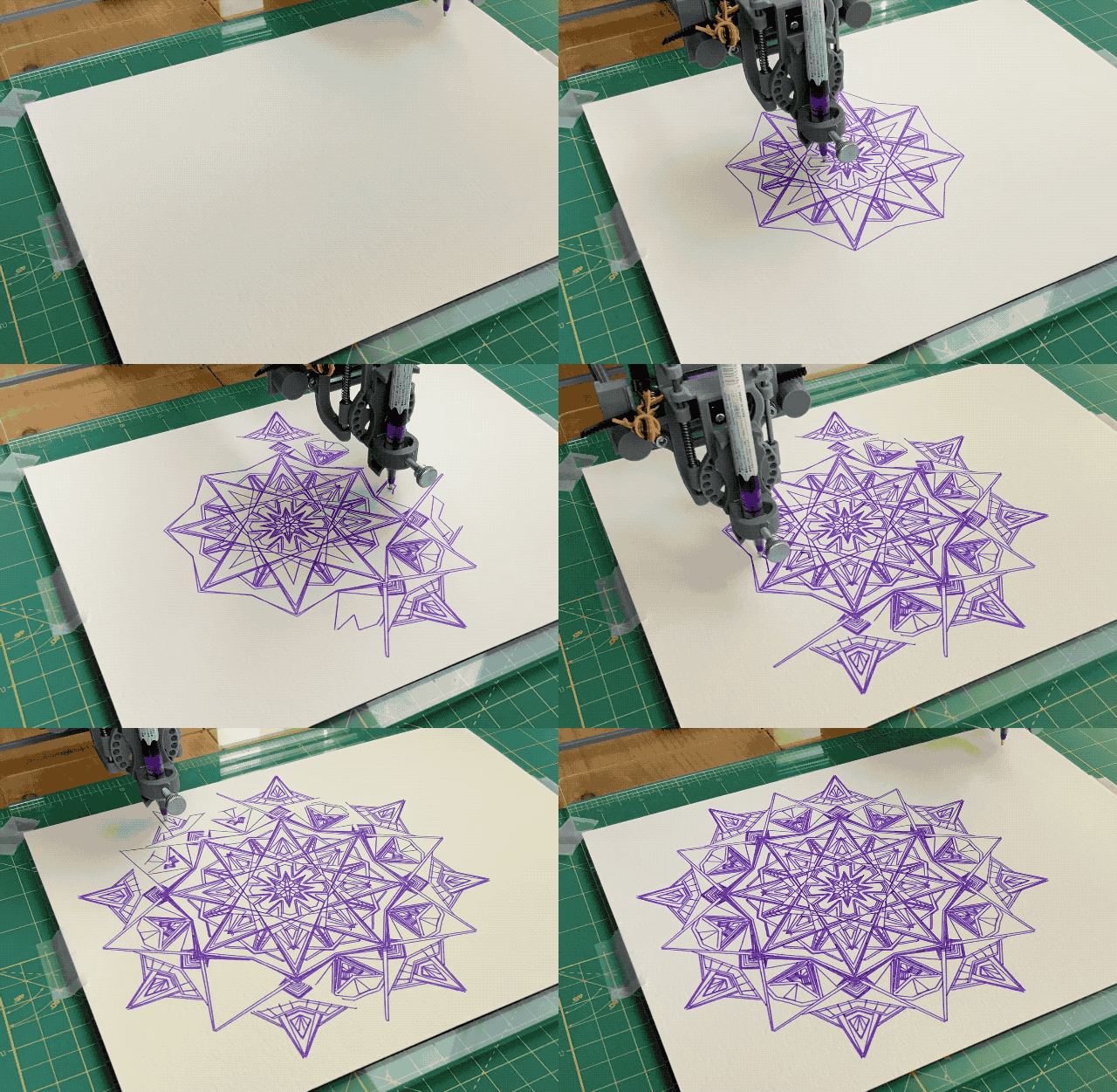
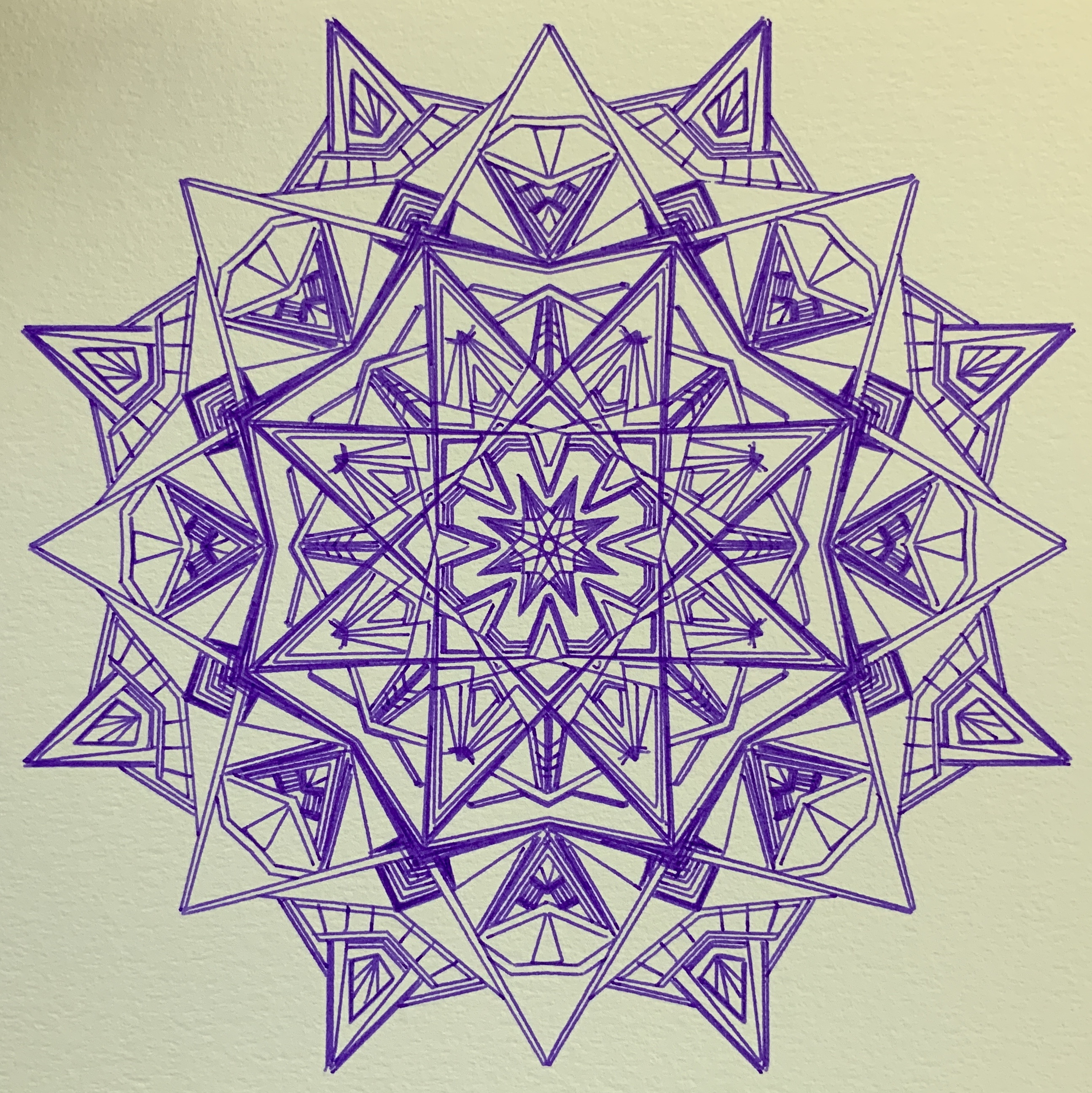
This one breaks my brain in the best way possible. It is soothed by the immediate pattern recognition, yet the patterns beak upon further inspection.
From PlottyBot’s preview window

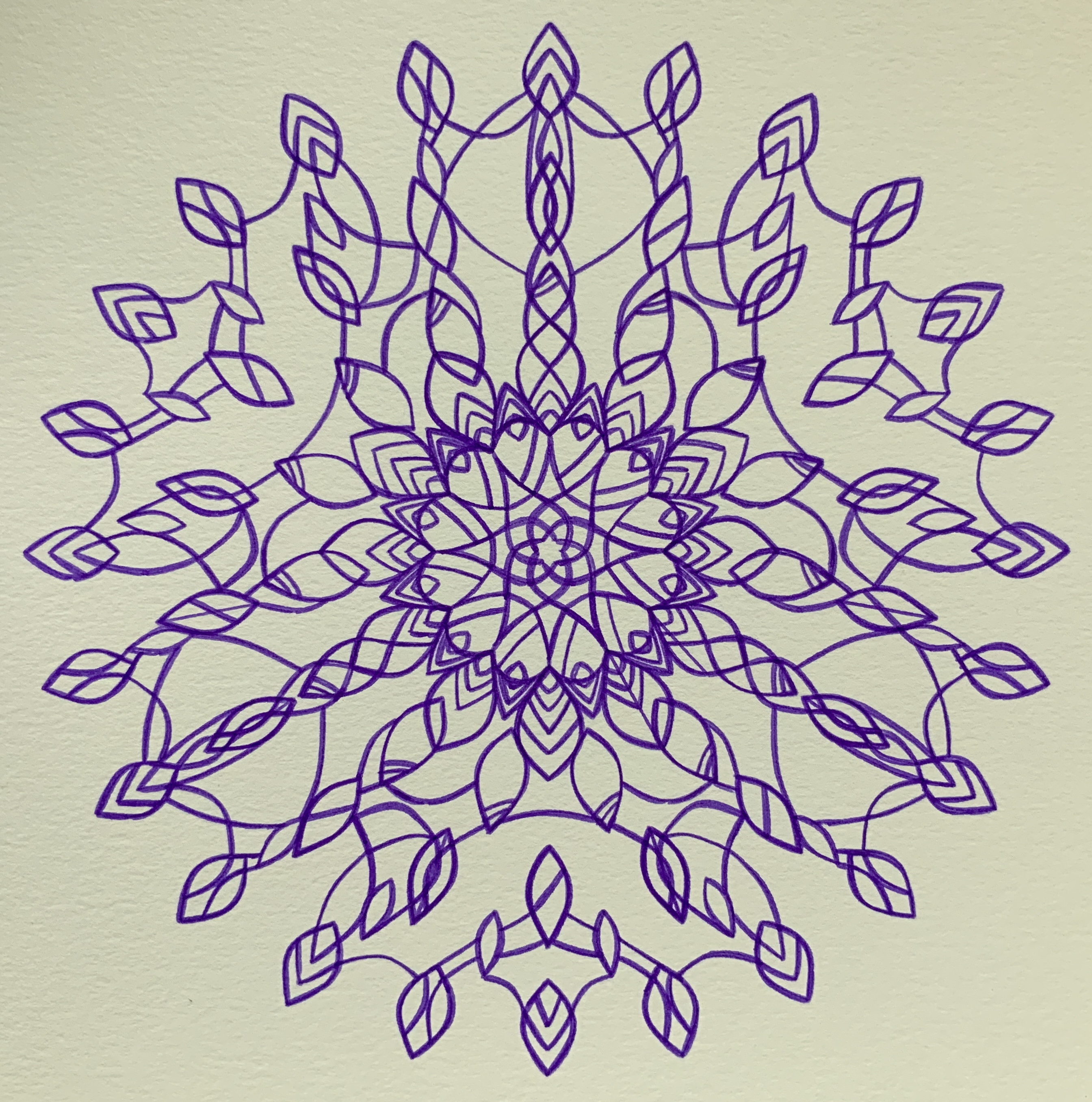
Lara Laubert, another prolific Mandalagaba user, her representations of Nature leave no jaw undropped.
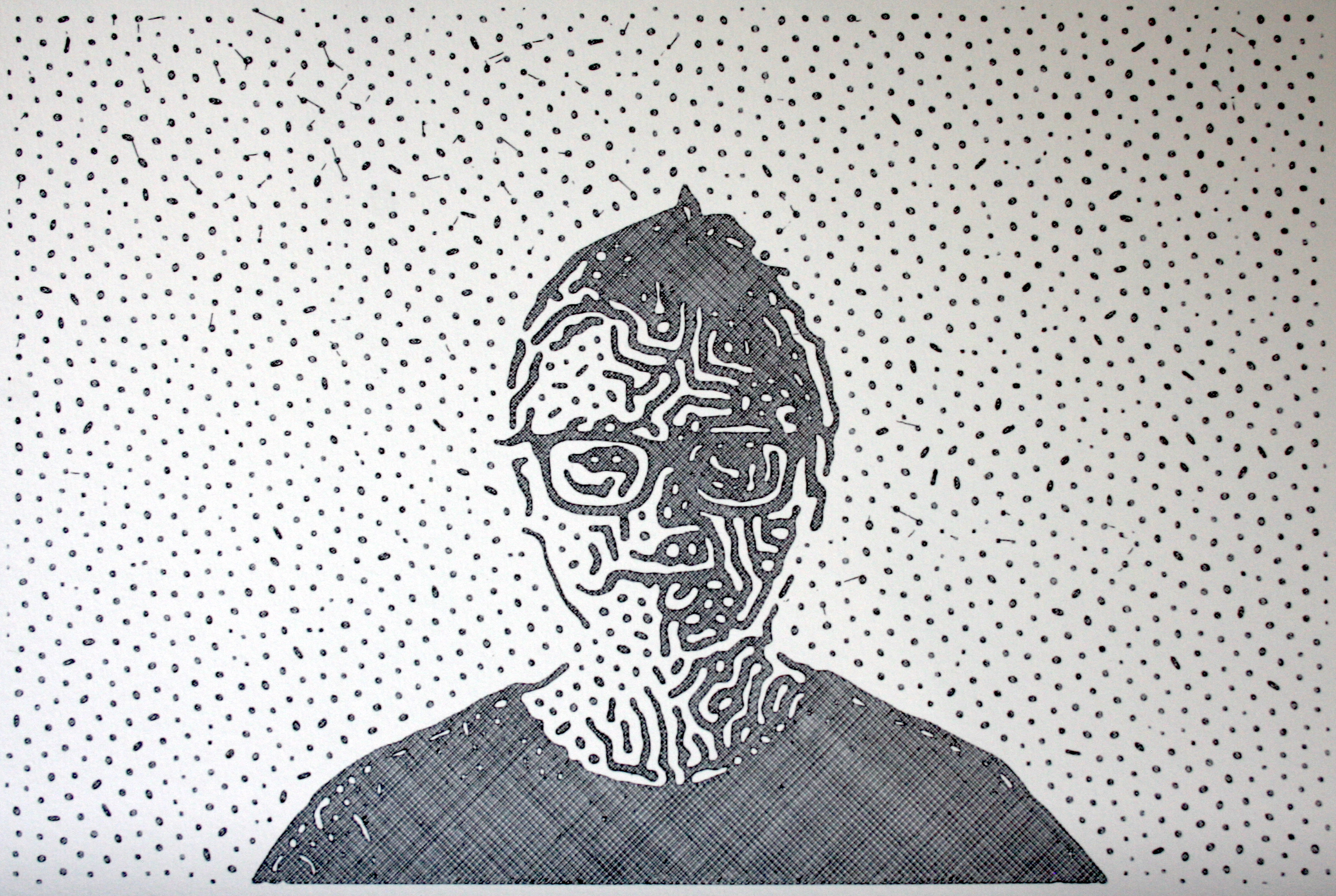
Esther at different “resolutions”, rendered with Ivan Murit’s Texturing
Robin & Esther, the lines created pen motions conducive to ink goop
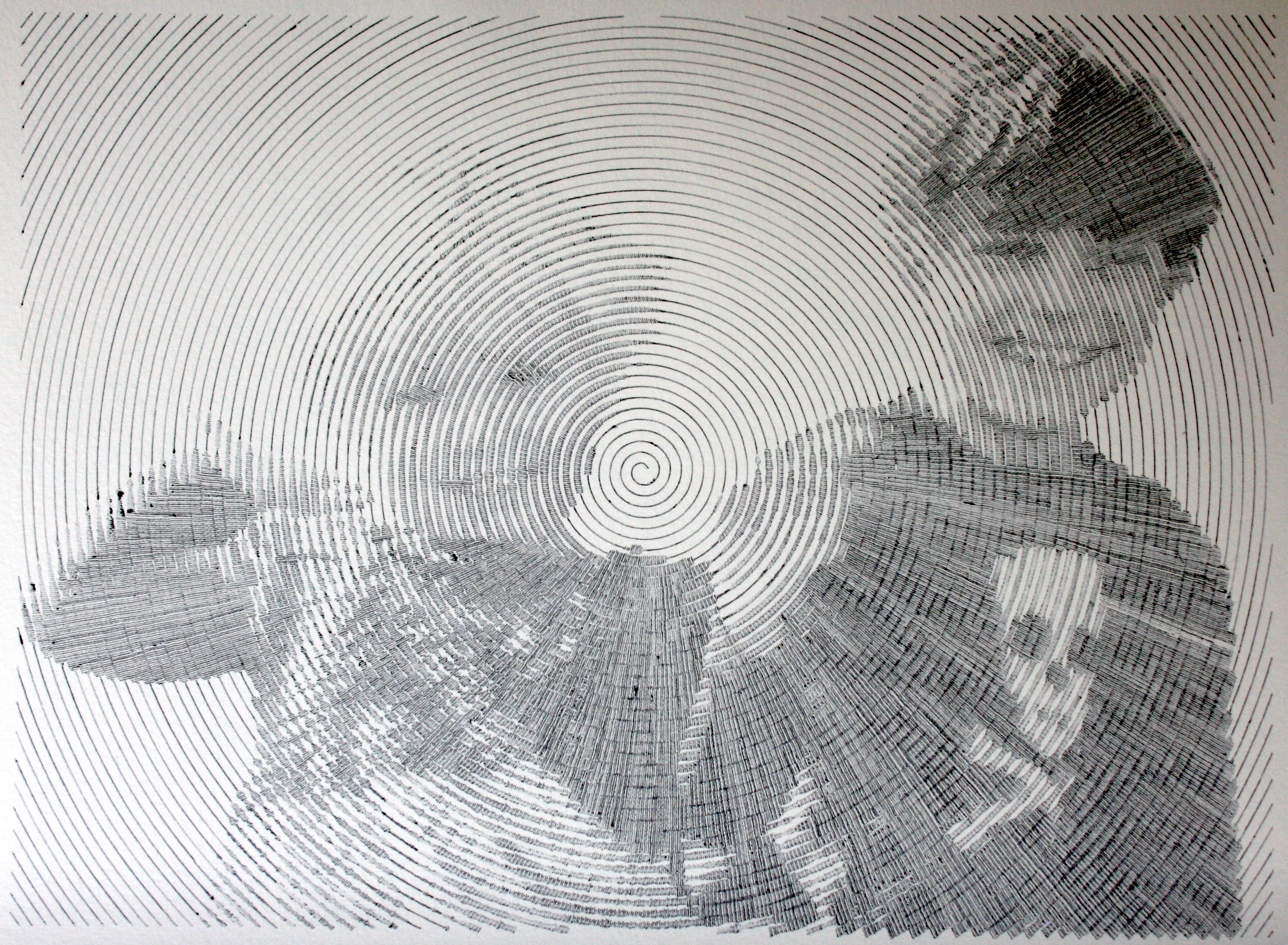
Nicole Texturing’d I need better lit pictures of my subjects.
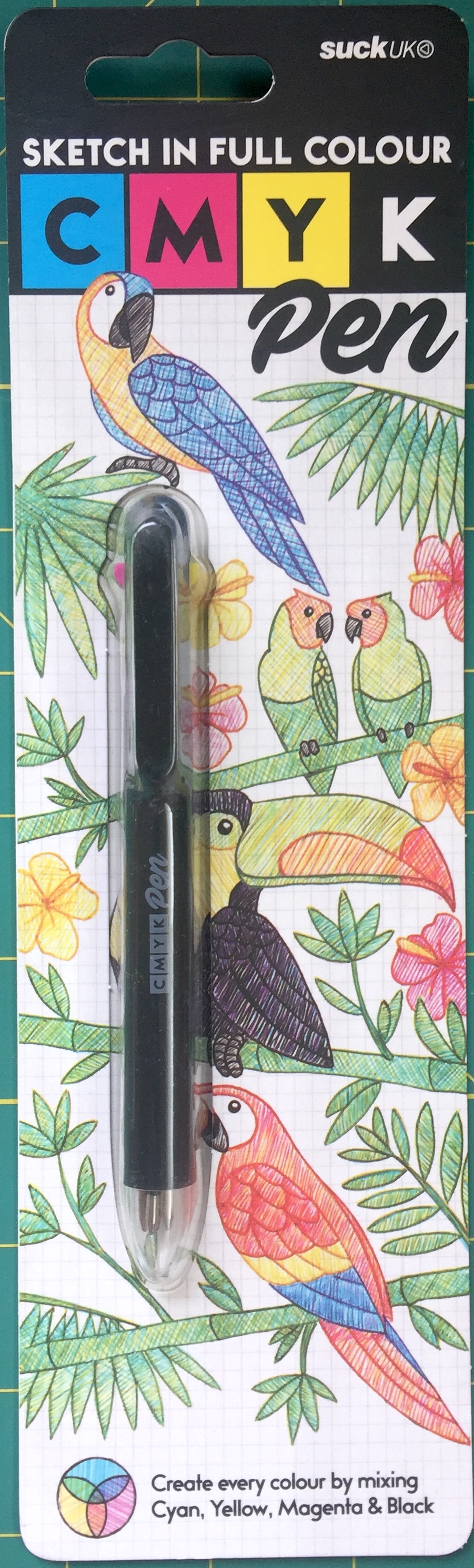
I got a CMYK pen to experiment with multi color renders, particularly ones where the colors can mix into the full spectrum.
And so…
Nicole CMYK, the result is cool but I definitely want to improve. On a wall it’s a bit spooky, it captured her essence perfectly but it dissolves into chaos as you get closer.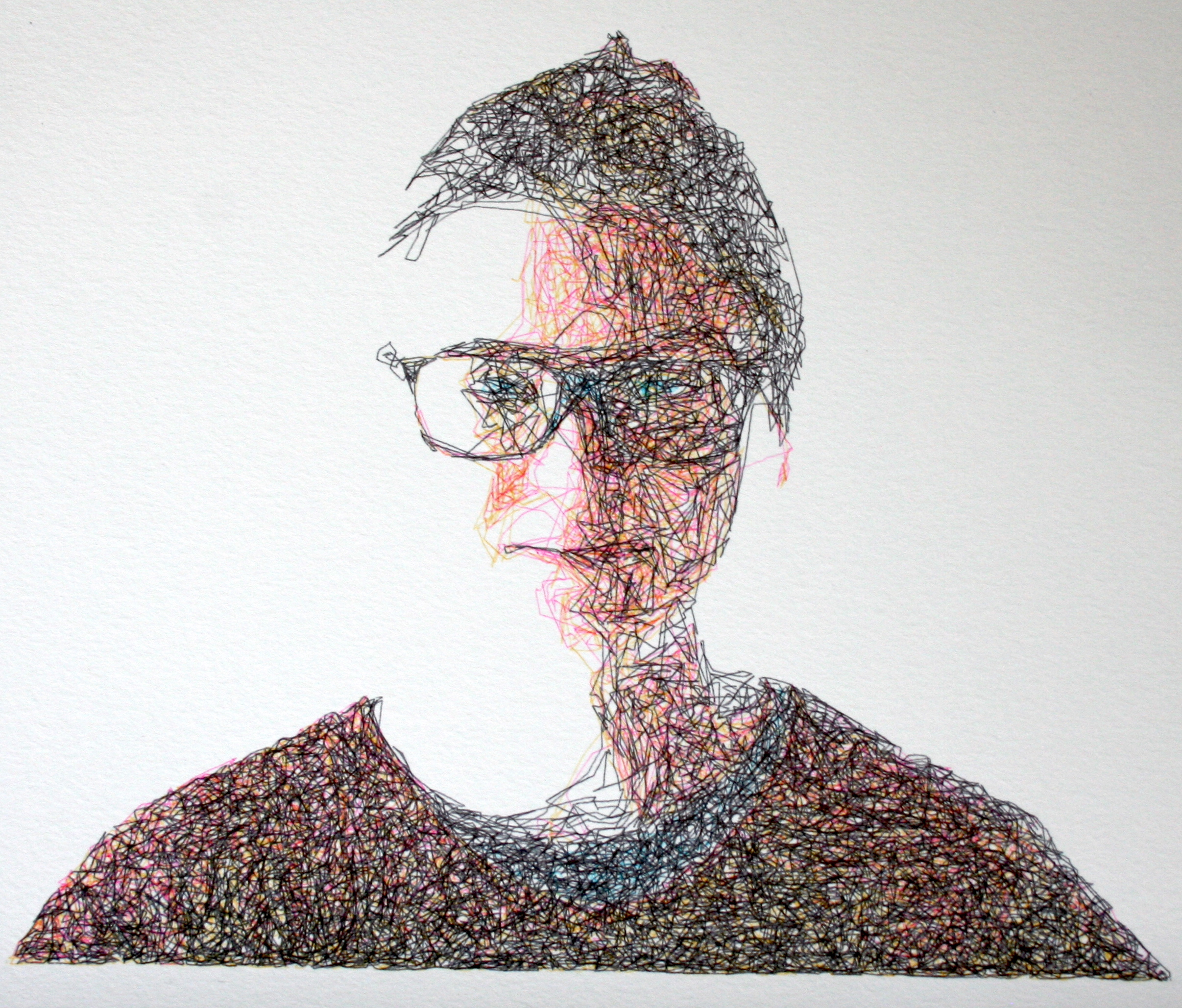
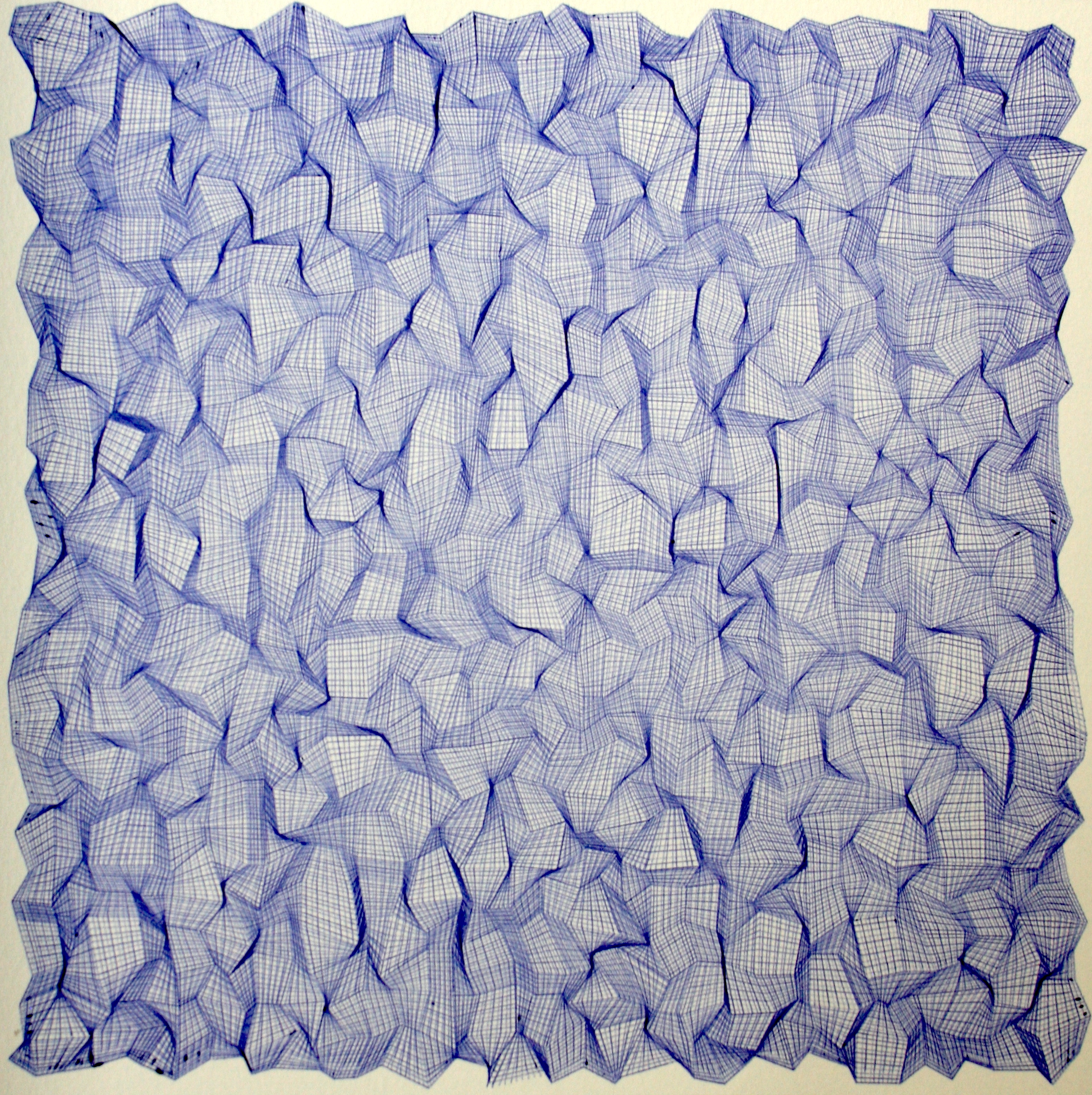
Interpolated Random Grid courtesy of llemarie @ turtletoy.net
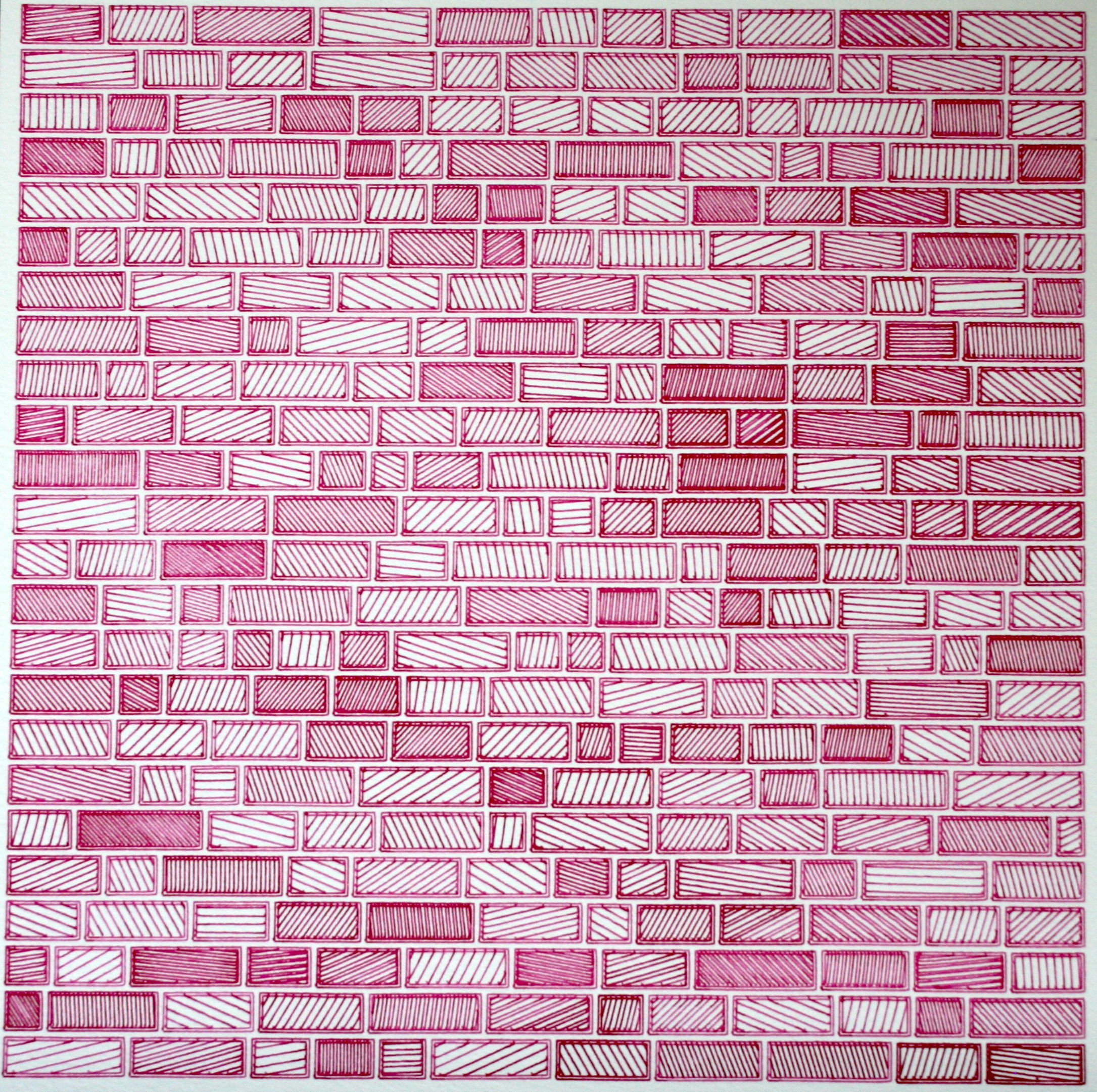
Bricks courtesy of markknol @ turtletoy.net
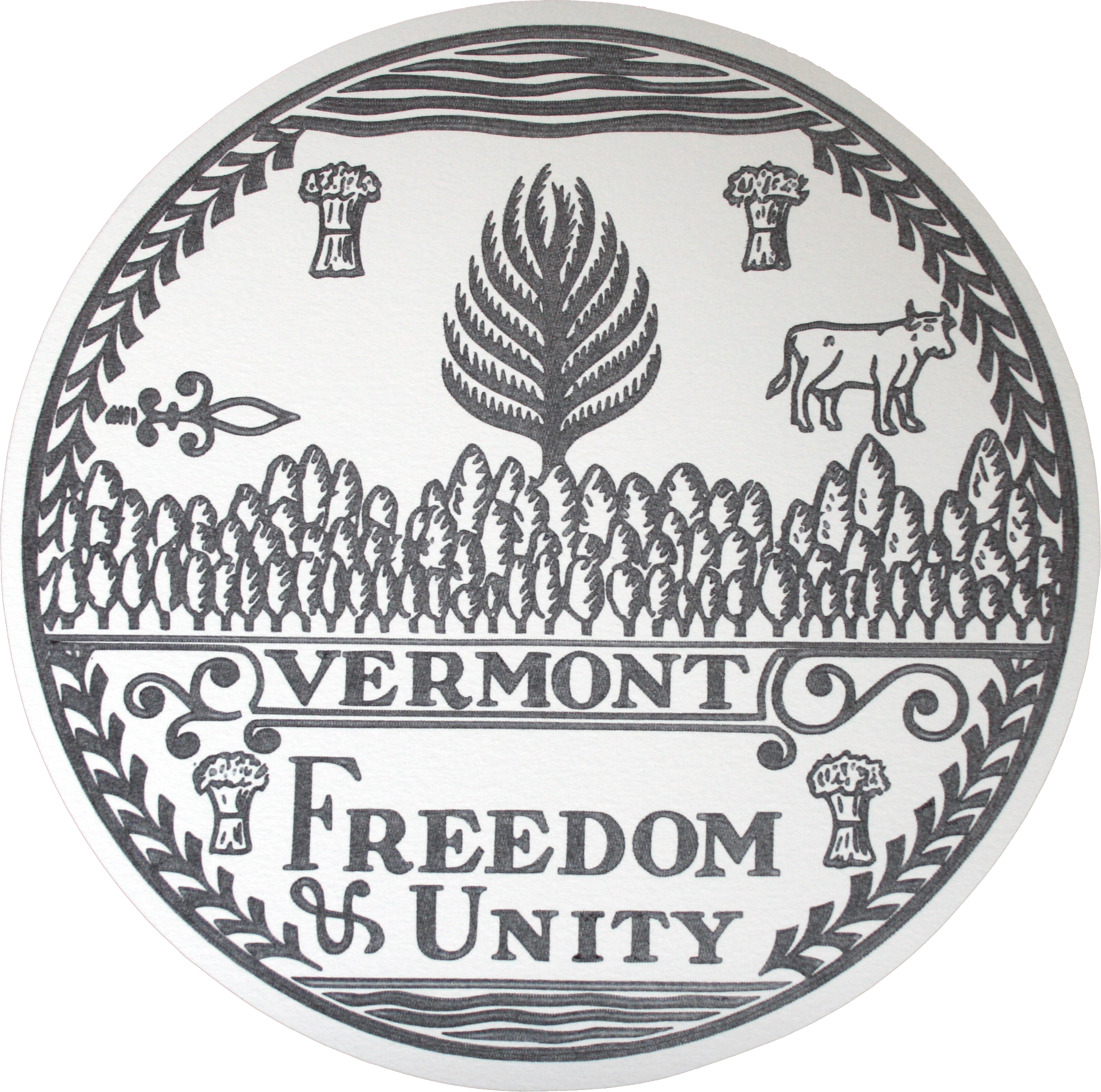
The Great Seal of Vermont, courtesy of Vermont
Appalachian Autumn courtesy of base12 @ turtletoy.net

I was looking for blue ink, I pretty much had to get this “the last color of the king”. A nod to the 1789 scholarly experiment to check if noble blood was in fact blue. Spoiler alert, it wasn’t. I love Noodler’s Ink, I came looking for UV ink and stayed for the jokes (and the quality). Gee I wonder what color billionaire blood is.

The fountain pen is loaded with it now, I’ll be playing with handwriting in the near future.
I was never an artist, at all, but I have really enjoyed how my pursuit of perfection with the plotter, mechanically, electronically and programmatically has ended up making me care deeply about ink quality, flow, and paper properties. It reminds me of all the times artists explained their art medium and I was completely oblivious to it. I never understood that the medium was relevant, yet today it defines the boundaries for what I can do. It’s the possibility space. Much of the artistry of pen plotting comes from the various algorithms, processes, programs, one manages to get running and combine. It’s as much a skill as learning how to draw, it takes effort and skill. Only a borderline unhealthy obsession with seeing a machine wield a pen drove me develop one for years, yet today I’m happy the journey took me from the automaton to exploring more artful things. I’ve been bathing in computing for as long as I can remember, it’s nice to look outside a little. And in the end, it’s computing that took me there. How’s that for a stream of consciousness?