Laser Portraits

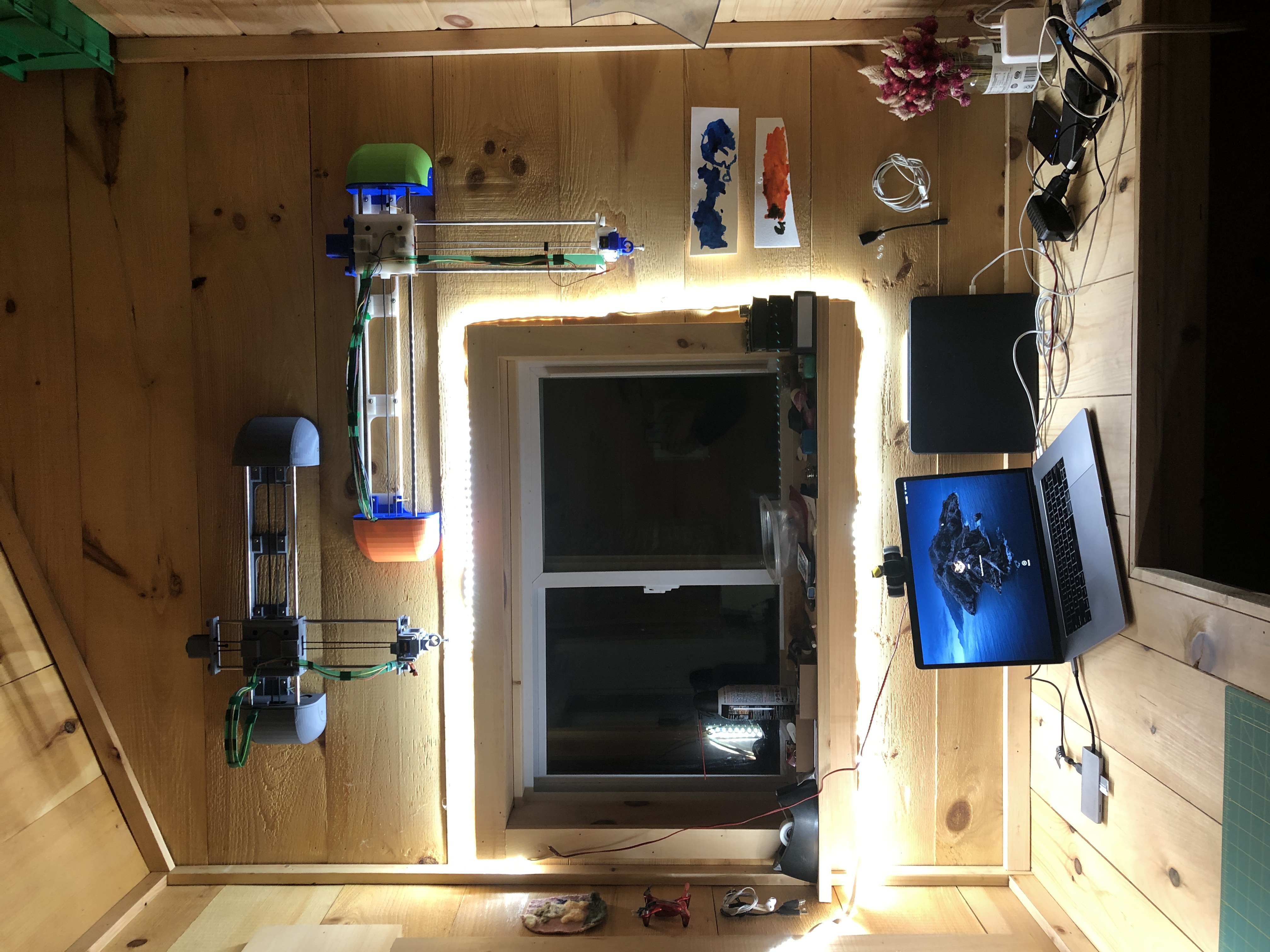
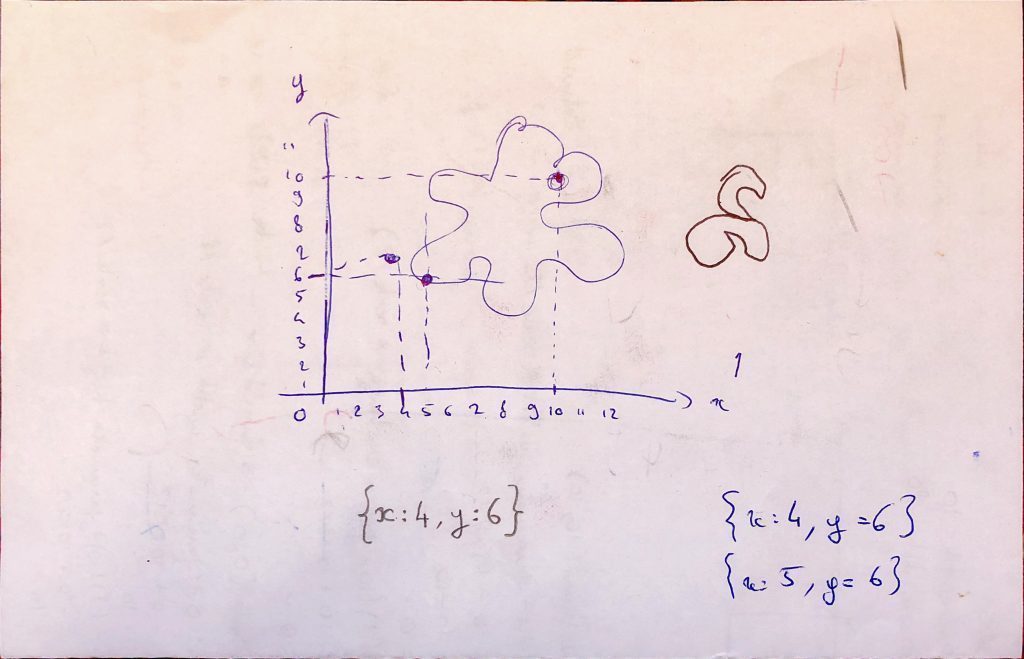
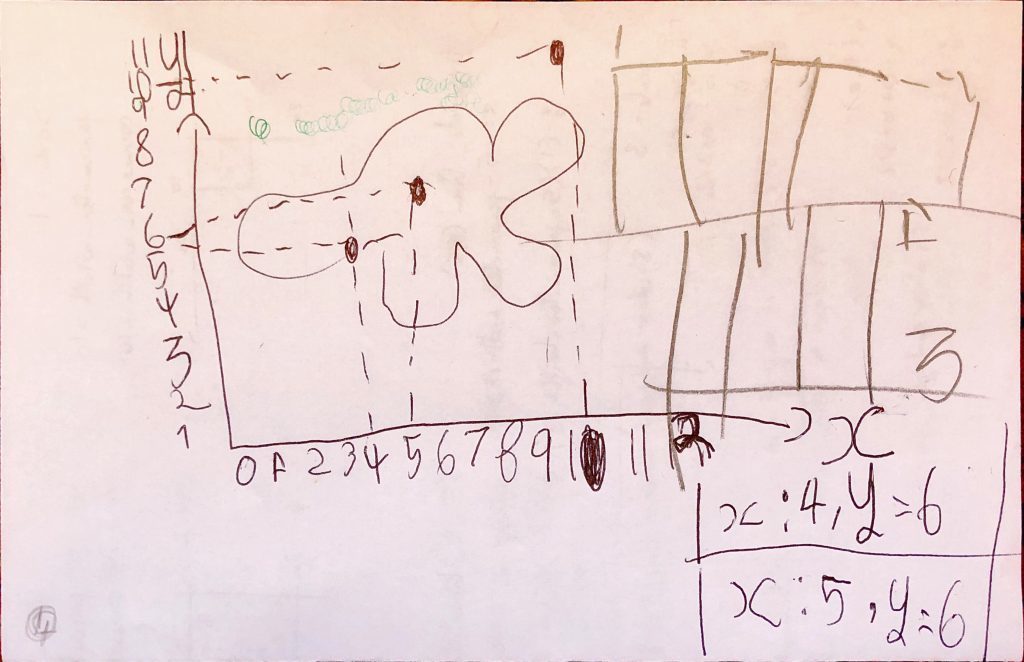
I had a chance to run 2 Pewtybots at a public event where people could have their picture taken to be turned into line art to be rendered by lasers. I should have taken better pictures and videos, but I was too busy manning the station and talking to people. It’s unfortunate because it’s hard to convey the experience with words.

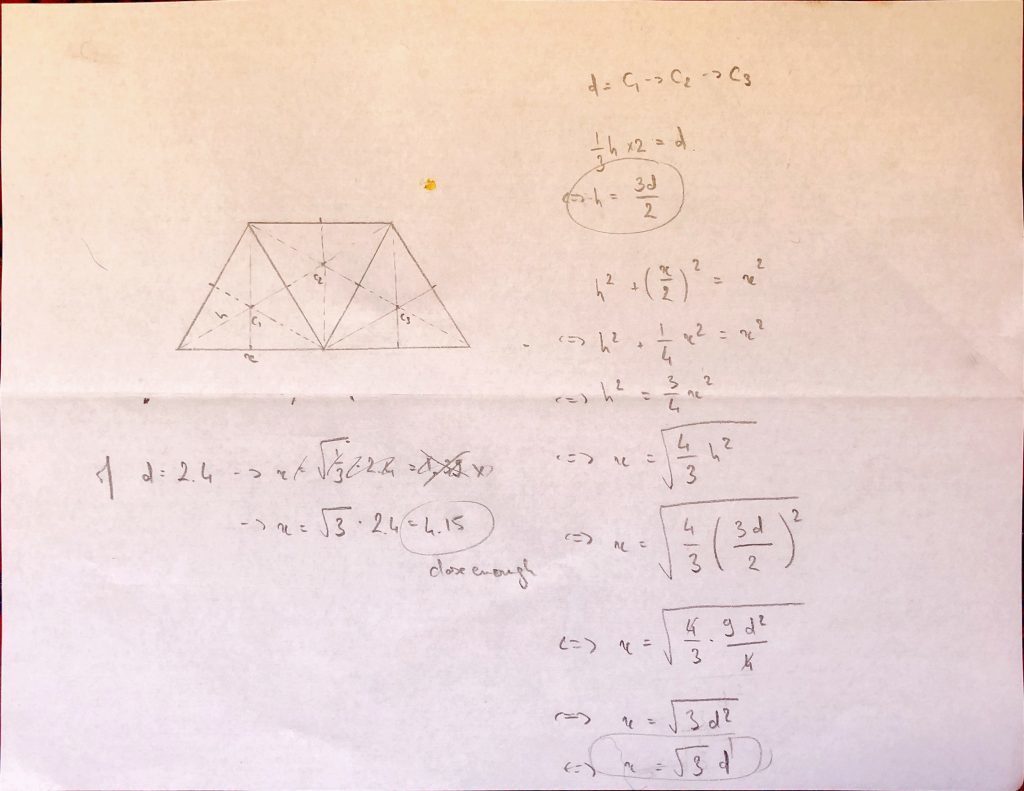
Ever since the first successful prototype, I kind of knew I wanted to do something for this event. And so I built 2 machines, refined the software, the math… well maybe that’ll be another post… I’m not sure I have it right just yet, I might. I have it right enough at least, let’s just say I refined the math. Finally, I spent time developing and practicing a pipeline where I can take someone’s picture and send it to either Pewtybot happens to be idle.

Esther helped man the station so we practiced at home with all her toys pretending to be the various personalities she’d encounter at such an event. From the overly curious bear to the llama in a hurry. And so the pipeline is as such: first we take your picture. A monitor is facing you to see what it is.

Then we turn that into lines to be drawn (or lasered in this case). This is supposed to be a first taste of eye candy as these algorithms are cool to see at work.

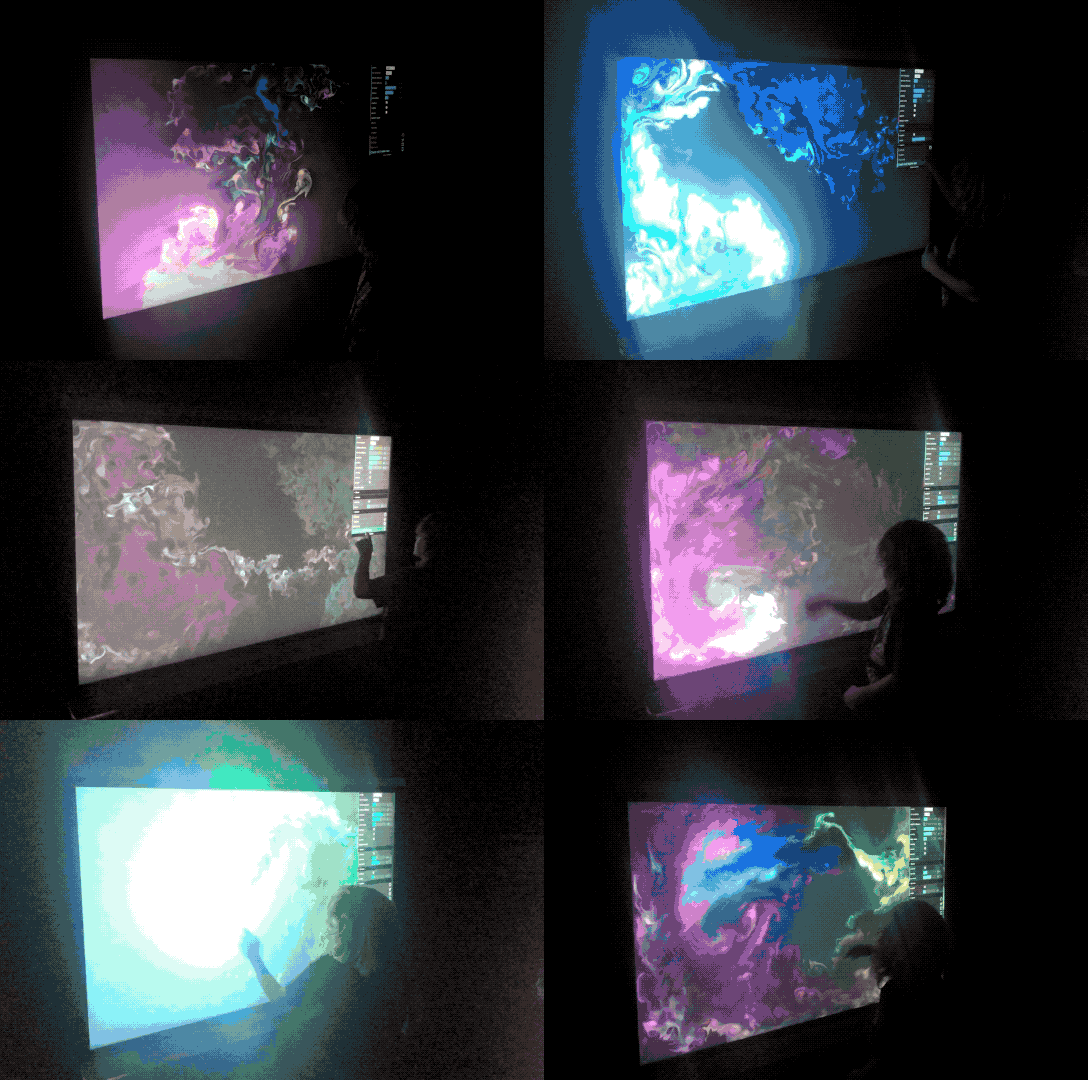
Then you go in a dark room, and see it all get zapped on the wall (I don’t have a picture of the lasered dog plush).

Because this was a first on many fronts, I was pretty anxious some things would go wrong (they did). I also didn’t know how to present it, or how people would react. So the first couple of “customers” helped me figure out how to guide them through the pipeline. And when the time comes to go in the dark room, I purposefully kind of dump people in there and vaguely tell them to wait for the wall to light up. I have the laser write their name and count down from 3 to 1, and then the laser moves much faster through their portrait.

Nicole quickly realized adding chairs in the dark room would invite people to take in the experience more. And I realized I was silly to tune my setting for single portraits, I almost exclusively had families and groups of friends in the same picture. The reactions were great, although I didn’t get any from inside the room, people coming out were full of questions and kids were smiling. As always with my silly projects, there’s also a smaller fraction of people with whom they resonate more deeply.

Overall it was a big success and pretty smooth for a first. I want to do more for sure. There’s something fireworksy about when the laser really starts moving and light shows up everywhere.
Flipper Zero

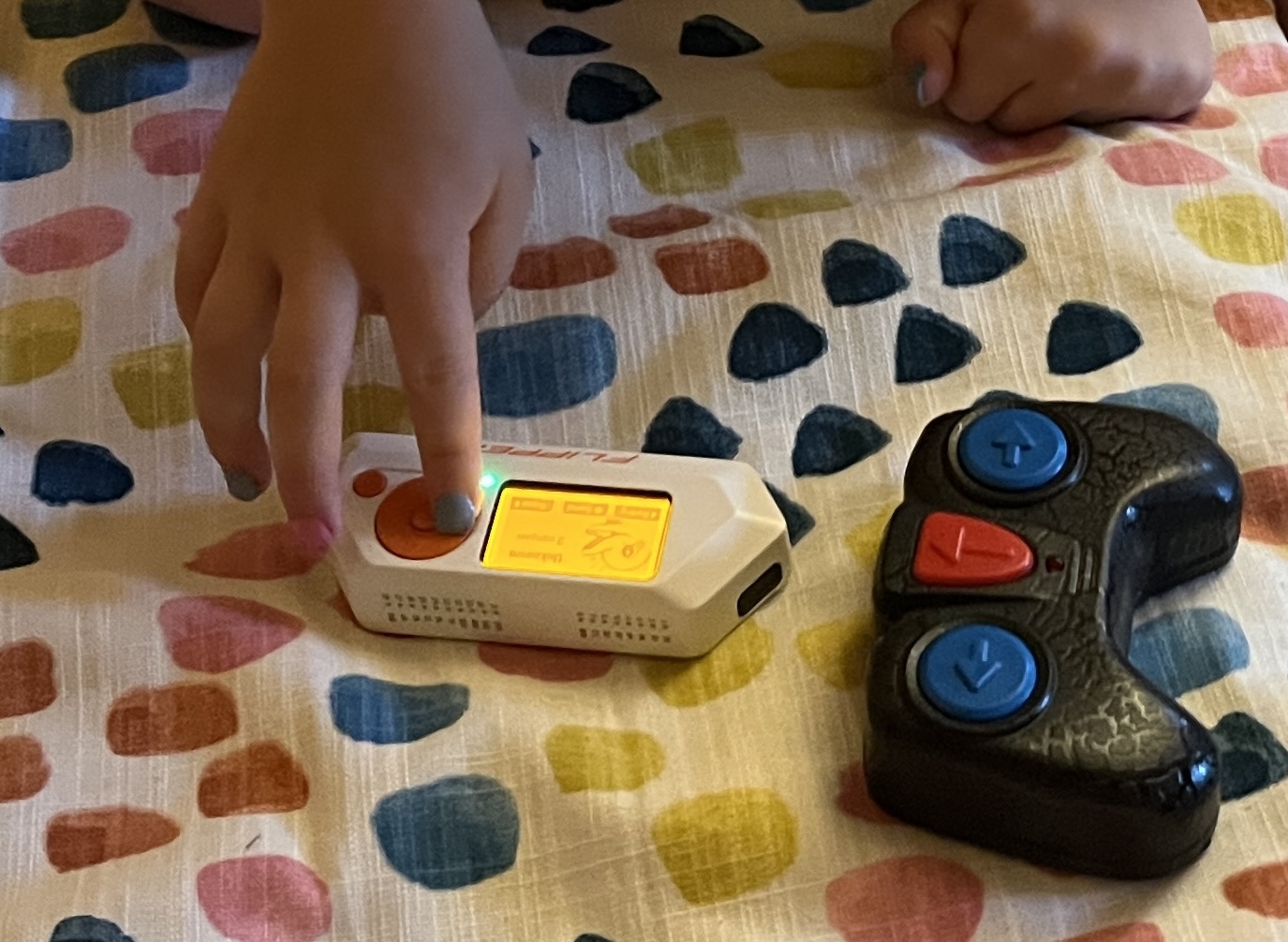
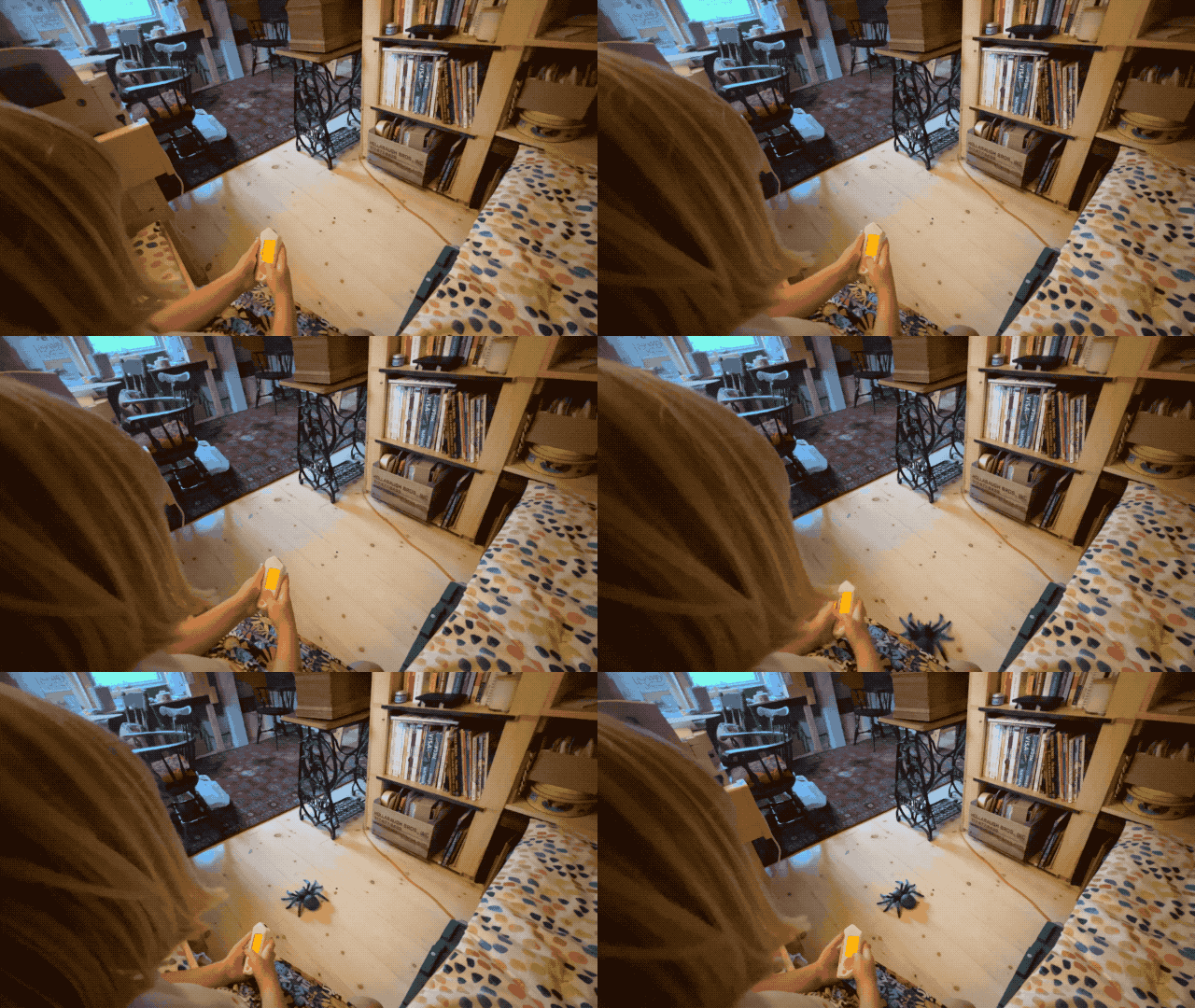
I finally got my hands on a Flipper Zero and boy oh boy, let me tell you, I should have done this a long time ago. I got it for my own interests because I was curious to understand some protocols better. To my surprise, both kids have been way into it. I’m of course elated to titillate their hacker spirit. I didn’t even think it possible with a 7 year old, but the cross between ease of use, and yes… a Tamagochi is really hitting home. Esther’s mind was blown when she scanned and replayed the IR signals of a toy of hers.

Robin & I are trying to sniff and replay all kinds of signals which always leads to a deeper understanding of technology for the both of us.

I too I’m in love the with the fun packaging and the geek humor. There isn’t anything revolutionary about the capabilities, but they way lowered the bar of entry. Most of all, it’s built with a spirit that strongly appeals to my original love of computers. This little wonder sparks curiosity and discovery everywhere it goes.

PlottyBot is born

Years in the making, many prototypes, and I hope a software stack which brings novelty and ease of use to the world of pen plotting. It’s been a marathon building the final version and documenting the process carefully. I’m too pooped to say anything more about it for now.

Instructions here

The Wordiest Word

With Markov chain based random word generation, I essentially have tables of the probabilities for letters sequences. With this I’ve always wanted to know what the most English word was. The word with the highest probability of each letter following its predecessors.

I finally bit the bullet and produced it; well them, because it varies depending on the corpus & depth used. All in all it’s not that impressive, just kind of cool to know. I don’t know what I was expecting, some amazing word that would rock my socks off.

Without further ado, here they are:

Corpus Depth Wordiest Word
basic_english_words 1 st
basic_english_words 2 st
basic_english_words 3 struction
basic_english_words 4 statement
basic_english_words 5 store
unabridged_english_dictionary 1 prerererererererere…
unabridged_english_dictionary 2 press
unabridged_english_dictionary 3 press
unabridged_english_dictionary 4 preconcer
unabridged_english_dictionary 5 preconcertification

Nosy Monster alive and well

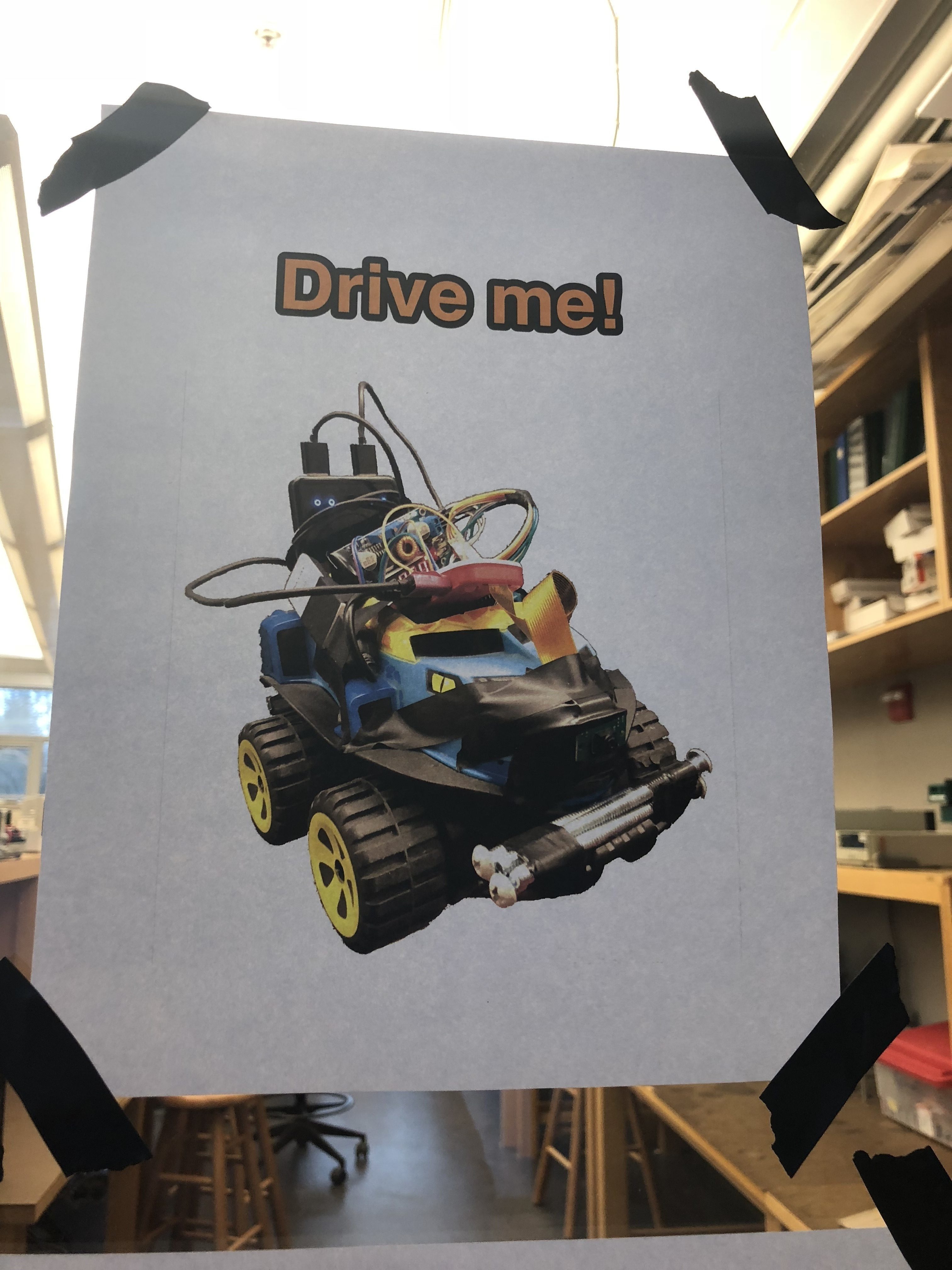
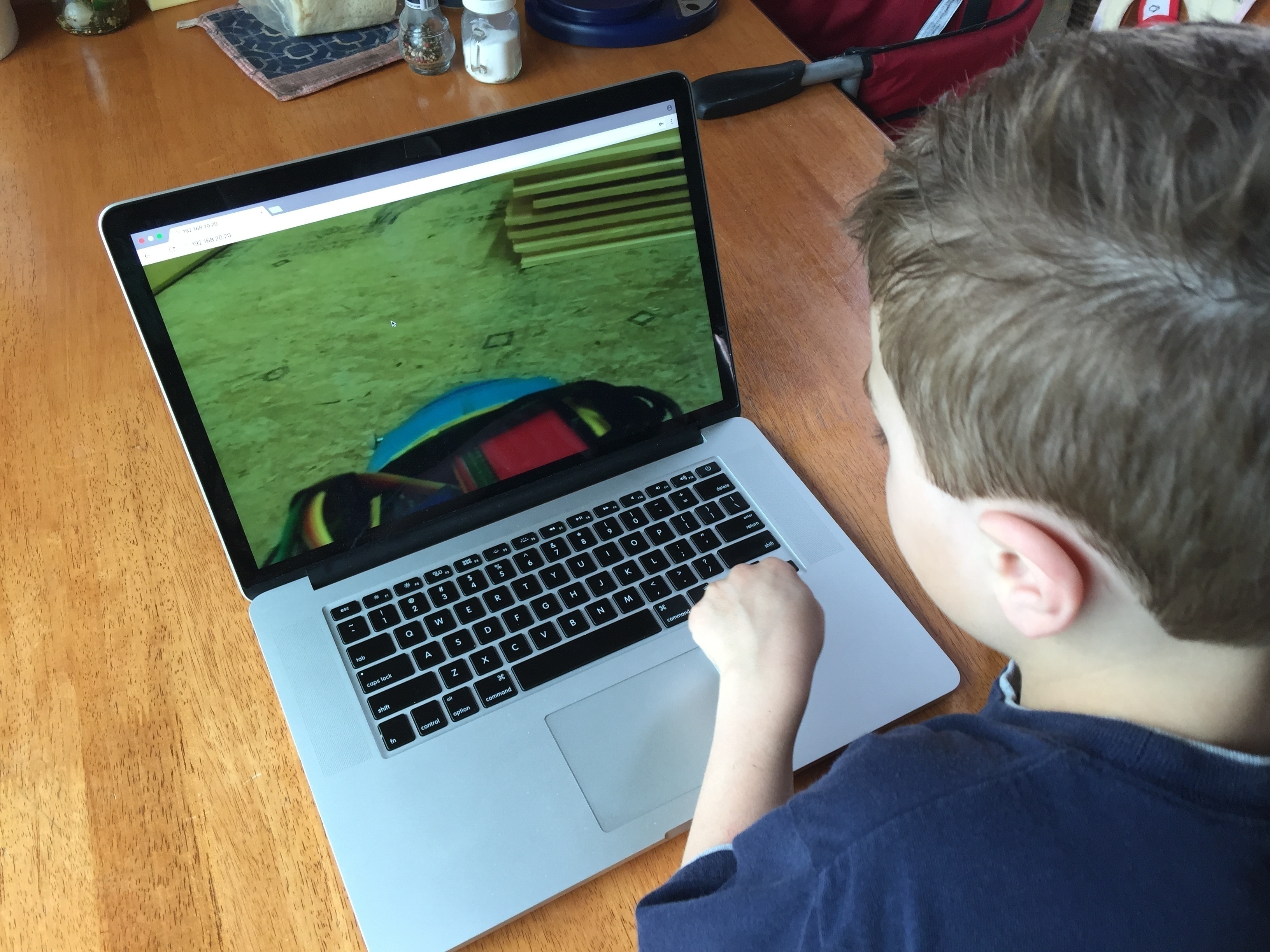
The Nosy Monster has been sitting on my desk idle for a while now, I’ve always wanted to work on it a bit and make it more reactive to web input. Finally, I bit the bullet and it’s now a lot smoother to operate. Instead of clicking for pre-timed commands, the start of a key press actuates and the end stops. With a websocket communication layer and a socket python command server, the commands find their way from keyboard to motors super fast.

To account for wireless imperfections and AP hopping, I also wrote the logic such that there isn’t a “start” and a “stop” command. Instead there is only a “start” command which gets sent every 200ms and if it isn’t heard every 300ms, Nosy Monster stops. This ensures it won’t be locked in a state of actuation which could lead to perilous situations.

I intend on polishing the code & publish a tutorial that hopefully a 7 year old could handle.

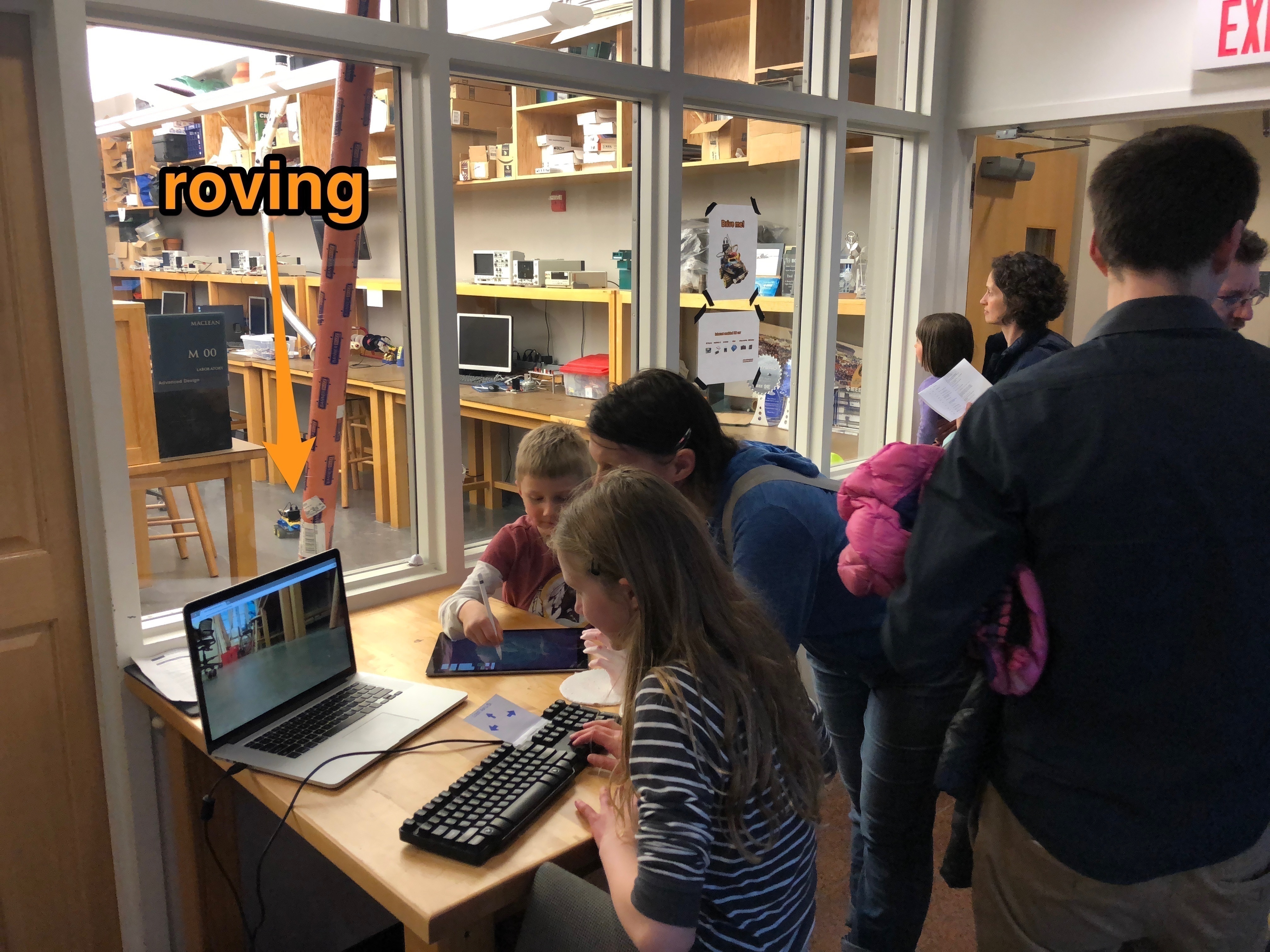
The Nosy Monster was deployed at the Dartmouth Thayer School of Engineering’s open house. I didn’t know how robust it was going to be under sustained kid use.

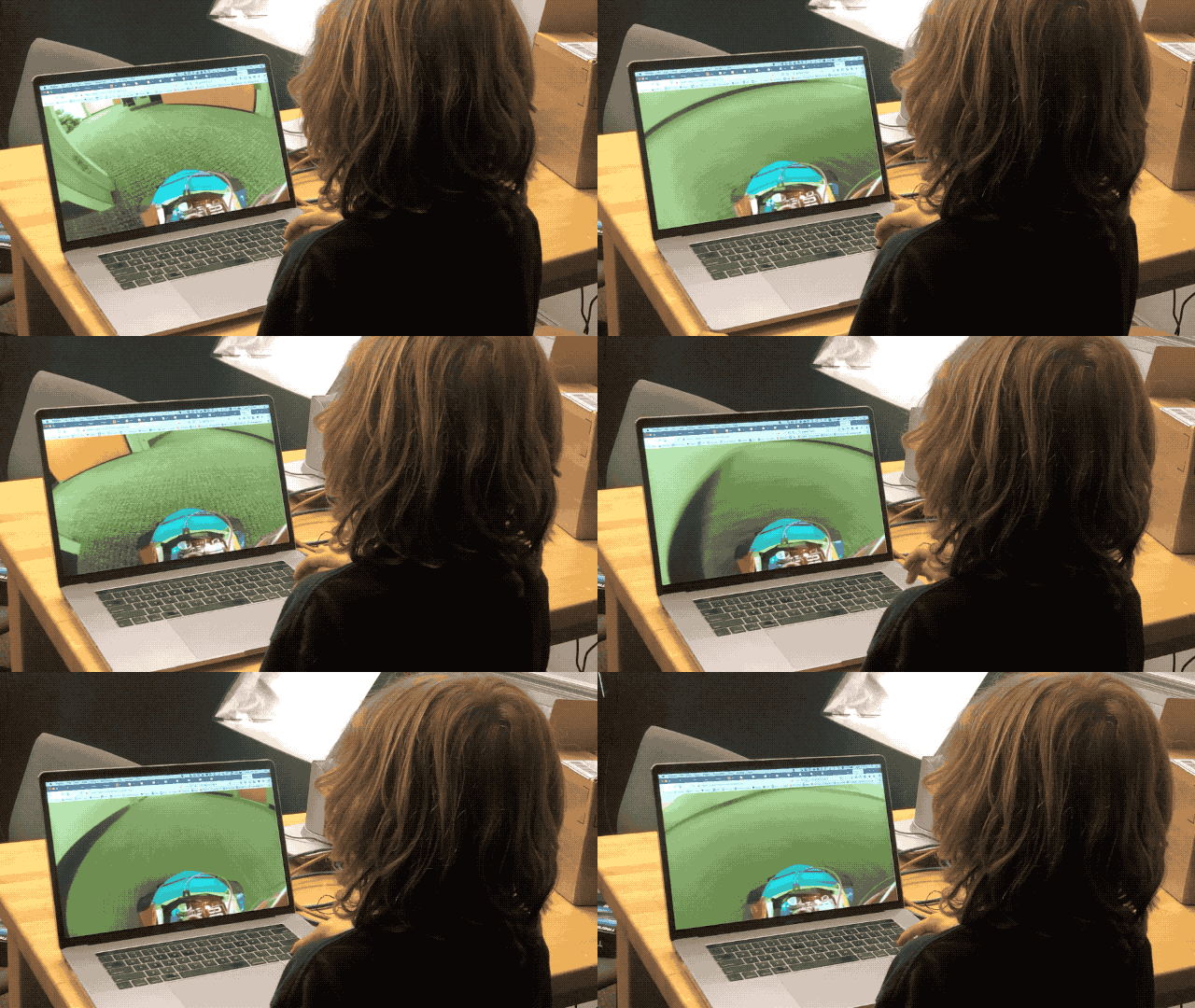
It turned out to be a huge hit, I let the kids drive it around a bit and then I’d throw the Nosy Monster in another room where they would have to find their way around with no visibility other than the camera. It performed flawlessly through the evening.

It’s always an enormous point of satisfaction to see kids get into something you made. Once I sent the RC car “to Mars” (the other room), the kids were really focused.  All but one got stuck and never came home. I should have had a prize for the one, but what’s next, participation trophies?

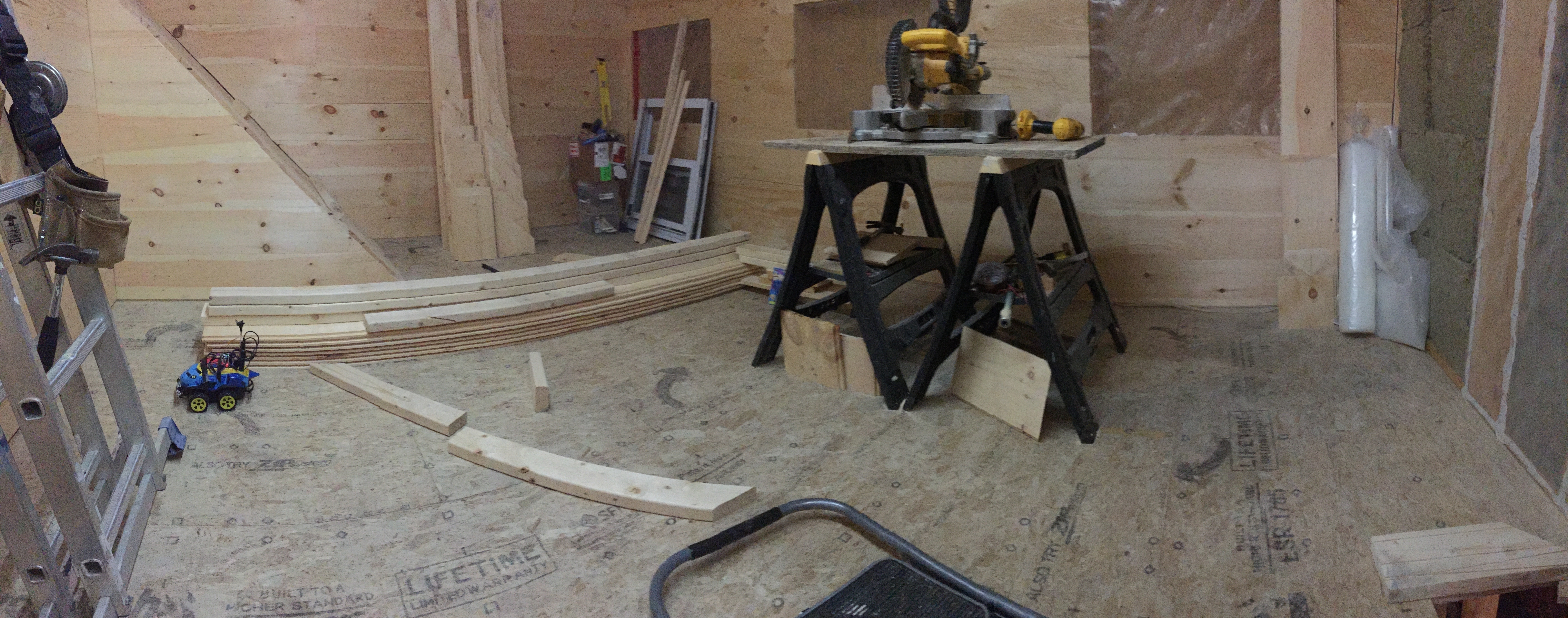
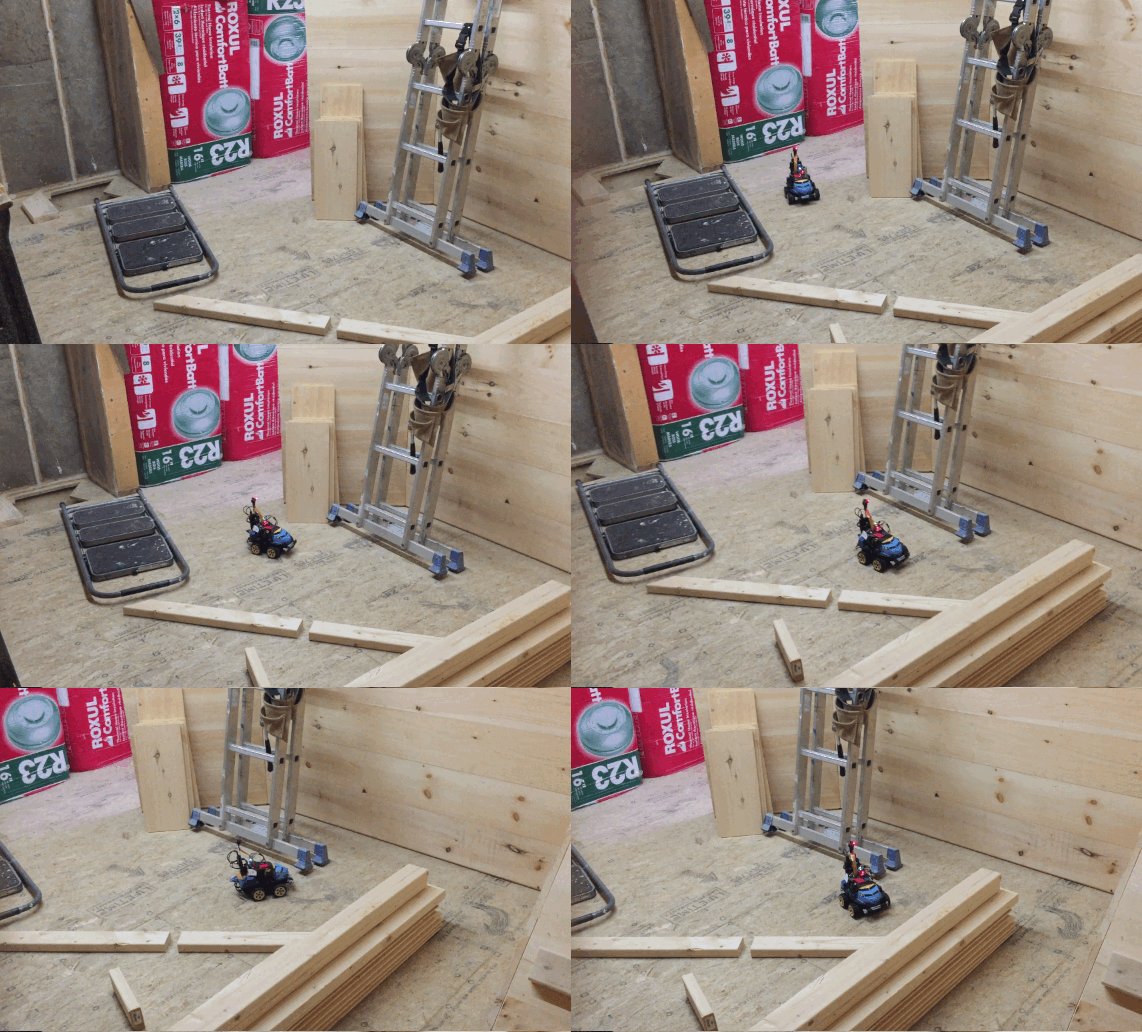
With a much more usable and reliable toy, I decided to setup the same kind of maze in a house room under construction.

I moved the camera up on a stick for a better angle of vision, the next model will have a fisheye camera.

Without a reverse, it takes a few tries to get through the maze without getting stuck. He had to learn to be careful.

I’m bubbling up with ideas  of cool things to do with the concept and acquired techniques. From a solar powered exterior land rover, to battle bots.

Tessellationgaba

Very intense 2 months coding marathon to bring into the world the new version of Mandalagaba.

I completely rewrote the symmetry engine to be universal. When I coded the first version, I only wanted to scratch a specific radial symmetry itch and had to expand on narrowly conceived code to accommodate for features that came up from the tool’s success. With this new version, I instead gave myself a broad framework built for expansion, I can translate any penstroke at any angle in any location. Beyond mandalas, it makes possible tessellations and even the 2 combined.

I used the opportunity to add many features which were lacking: zooming, forking, lines, color picker, et cetera. With many more to come. The interface was rethought to be more accessible. Doing so took much more time than building the core engine.

There is an obscene amount of math that goes behind every pen stroke you draw in the tool. It was kind of fun to go through it again in my life, 20 years later. Even though I had forgotten about it all, it came back nicely. It’s amazing to have the internet as a tool to look up methods, to be able to describe the problem in plain English and have potential solutions thrown at you. It used to be that you needed to know what you needed precisely to find it in a book.


I love that Robin copies what I do no matter the understanding level, we’ve had lots of talks about what is going on.

It’s not just the math but also algorithms, languages & infrastructure. Not to toot my own horn but in my 30s, I’ve never felt so intimate with every aspect of an idea’s implementation. It’s extremely enabling to know exactly where to go to achieve X. Honestly though I’m a little burnt out at the moment, something that was supposed to take 10 days took more than 2 months of coding every single night.

My hope is that the new tool becomes a reference online for this type of work. And it’s all 100% free; well… we’ll talk about that in the next post.

Lower tech fun found in a thrift shop