Ben's Blog

nature encounters ben October 23, 2020

Ruffed Grouse

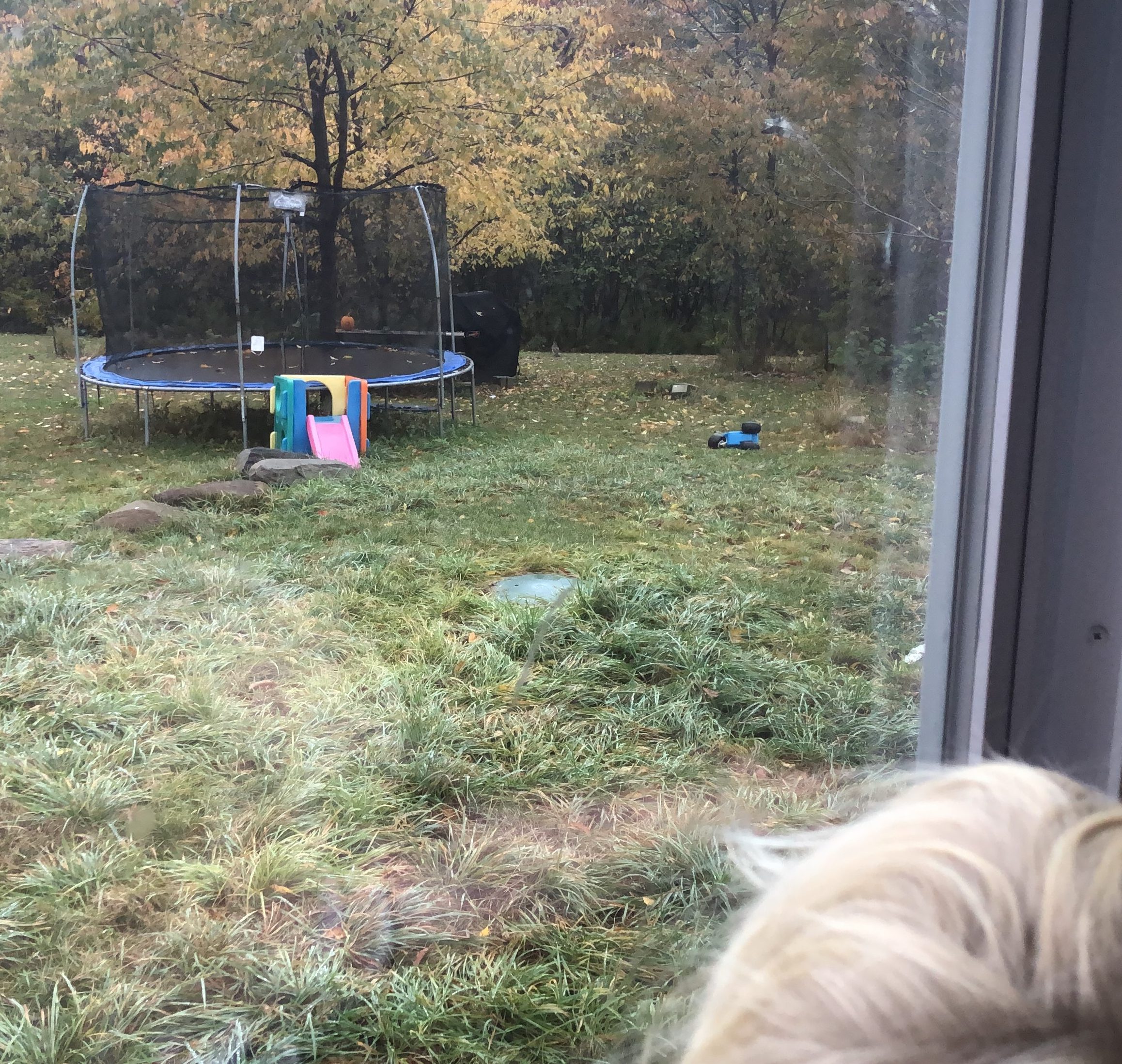
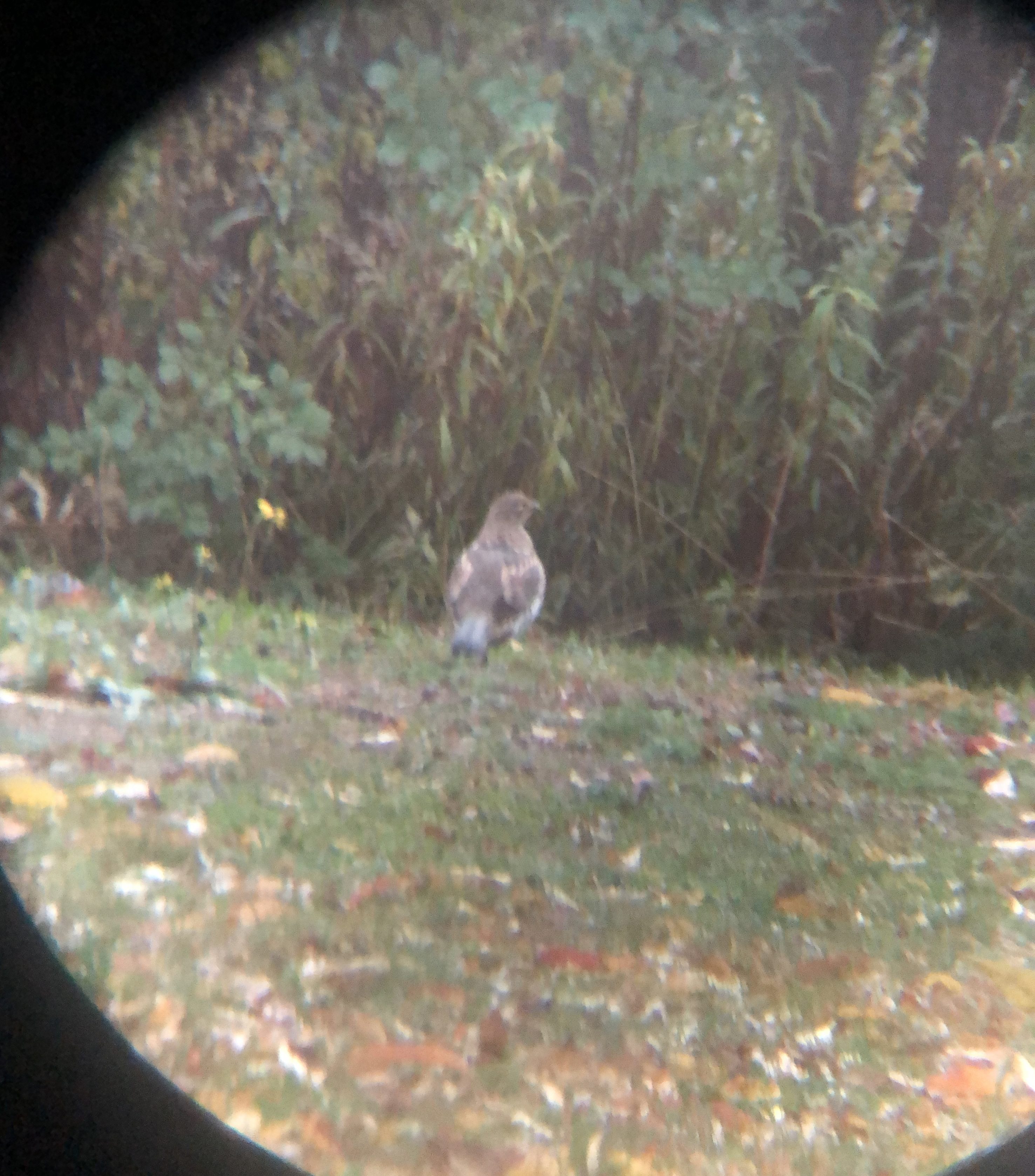
In the Summer of 2014, when we took possession of our land, there were so many ruffed grouses thumping away that it sounded like old tractors were starting constantly. We were in fact puzzled for a long time as to what the sound was. We haven’t heard them since, and we never really saw them either. Until a few days ago, when we heard one, and then saw a female next to the house, and then a male in the forest. I can only hope it means they are back for good.
agriculture, apple, foraging, self sustainability ben October 07, 2020

Bad Years & Mast Years

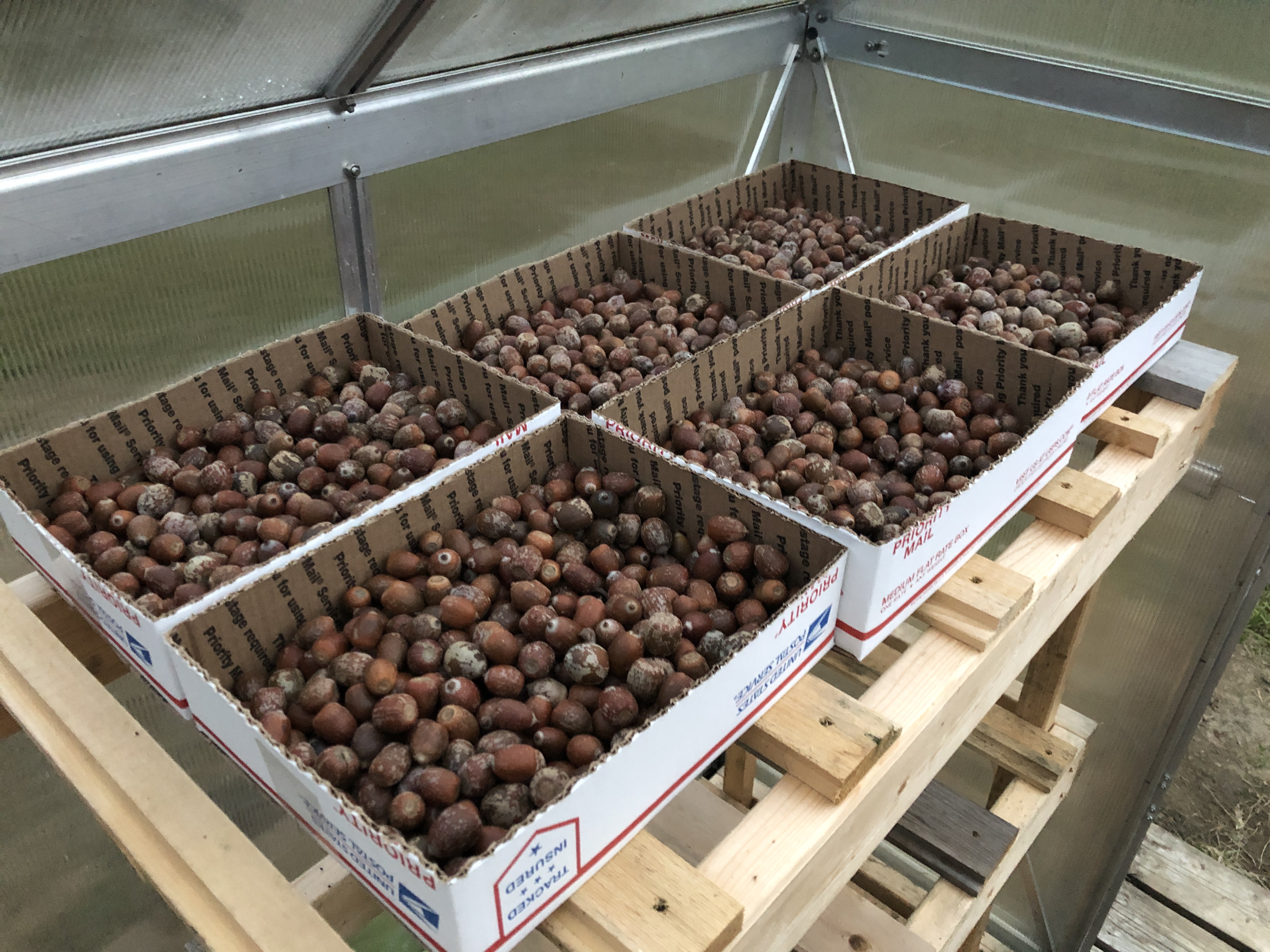
It’s a pretty bad apple year and it’s likely we won’t be making cider. However it is a mast year for acorns, filling up a bag is as easy a taking a walk in the woods. In the spirit of going along with what nature decides, we’re trying acorn flour this year.

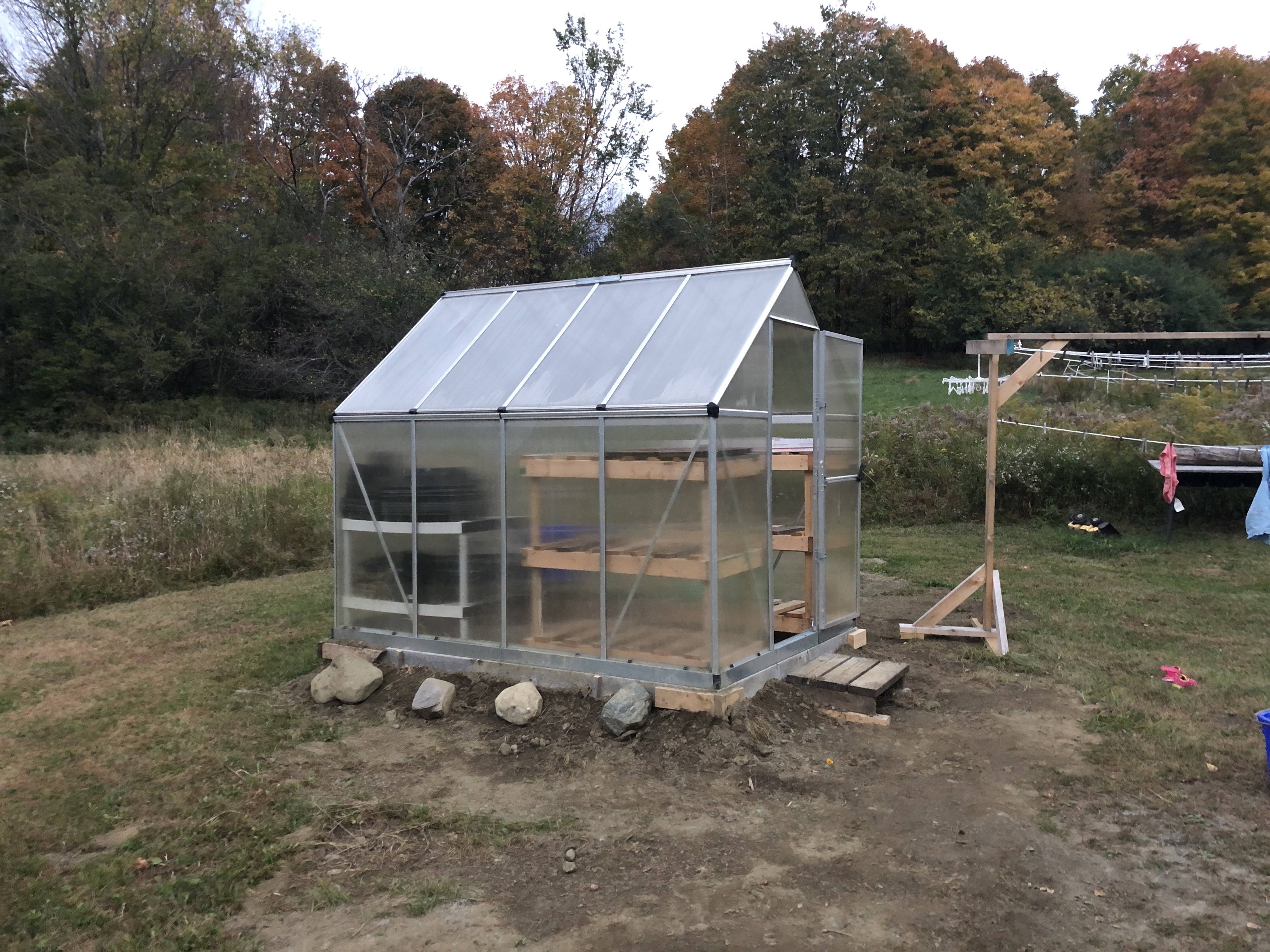
In the newly reinstalled greenhouse

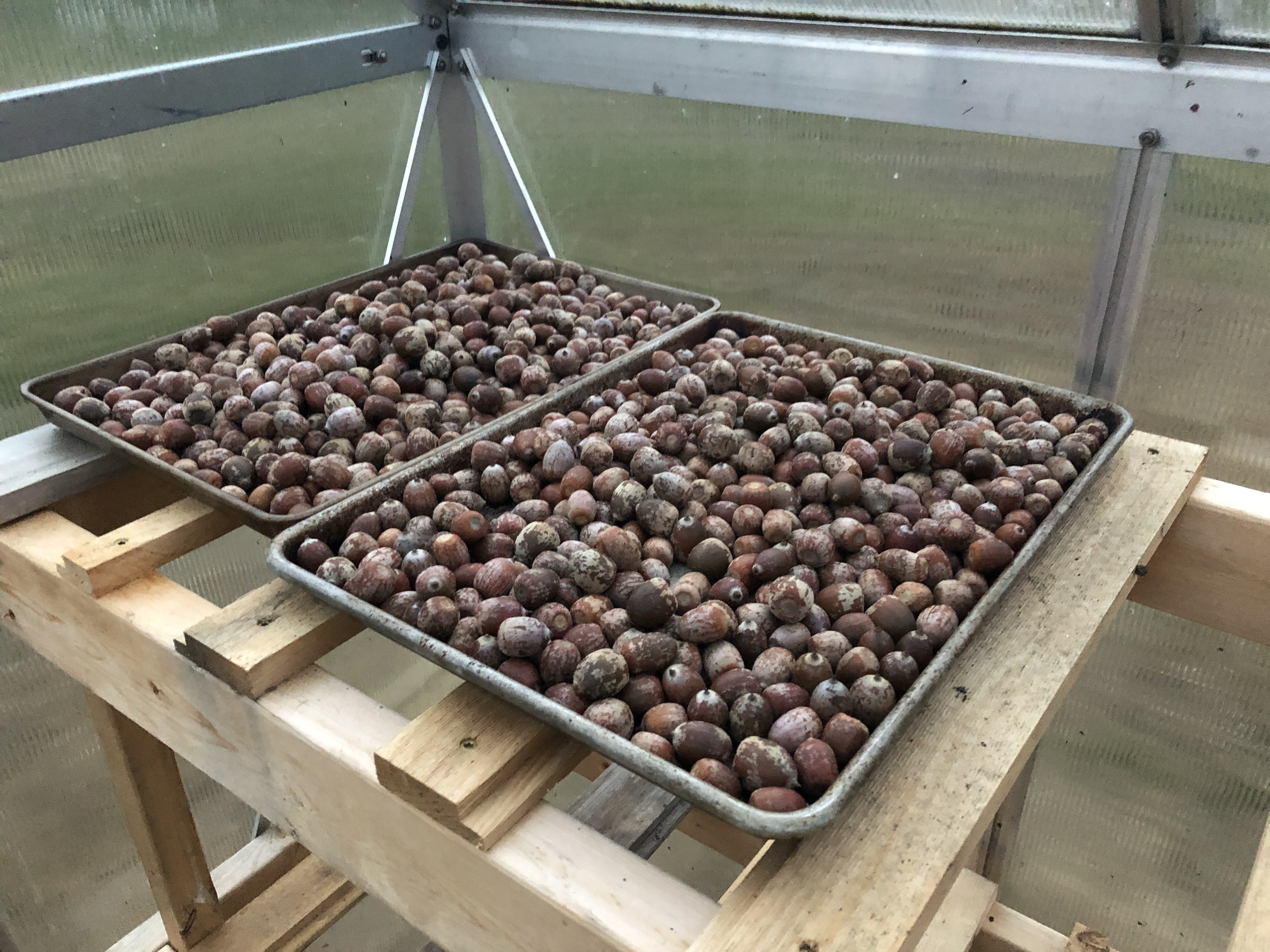
Acorns are drying

We have no idea what to expect from this.

self sustainability, water ben October 06, 2020

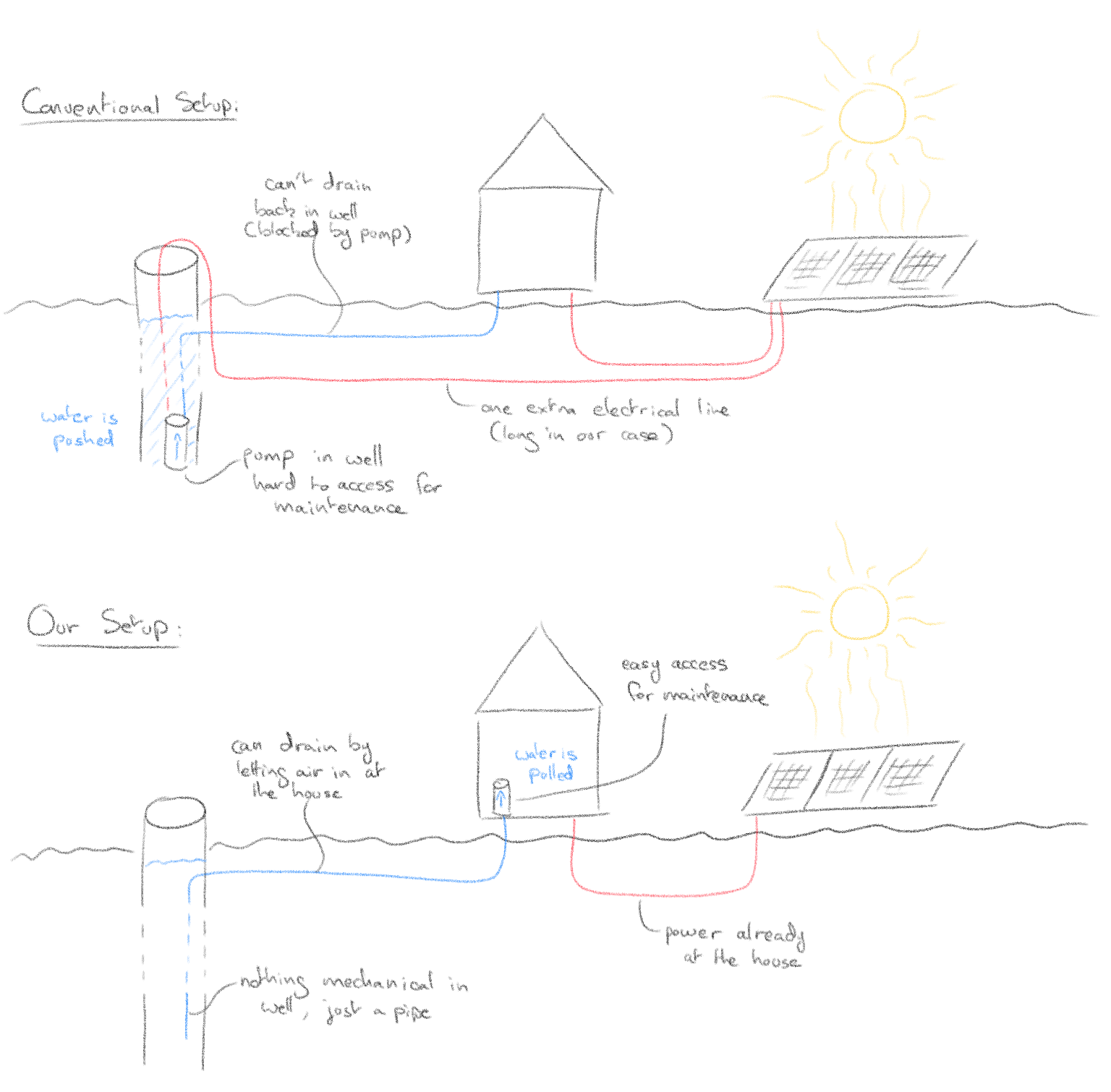
Our Running Water Setup

It’s still fairly untested at this point but it’s a nice summary of the reasons behind the choices.

miscellaneous ben September 30, 2020

Protected: Leaf Picker

This content is password-protected. To view it, please enter the password below.
self sustainability, water ben September 28, 2020

Making it run

When we drilled our well 4 years ago, we didn’t install an electric pump, only a manual one. We didn’t have power we could spare, we didn’t know how to run power to the well, we didn’t know how to bring water inside the house, the house didn’t even have its final footprint. All these reasons kept us pumping water by hand and carrying it in the house for years. It’s honestly not a bad chore but it does add up with 4 of us taking showers, on top of the drinking and various other uses. If I had to guess, I would say we use about 20 to 30 gallons every day. Now with the Summer stream shower this goes down significantly.

In any case, I made it my mission this Summer to run water inside the house. I tried very hard to have a professional do the work on the well casing, but not a single contractor was interested in the work. As with roofers, they have a ton of work, they get to pick the easy nice paying jobs. I couldn’t even convince them to give me a high quote. I called everyone in the region, and they were honest in saying in a very typically Vermont way that it was just too much trouble to install a pitless adapter. I was very scared to mess up the well and would have been happy to pay someone with expertise to do it, but no one wanted to, so I didn’t have a choice.

I spent months researching it, talking to everyone, watching videos, and replaying in my head the motions for what would need to happen the day of. Until finally I felt like I had turned every stone and just had nothing left to inquire. It was time for action.

One of the complicating factors in this endeavor is the design. Most wells are installed with a pitless adapter under ground and a 110V AC deep well pump in the well itself. That’s what we would have gotten from a contractor and the easy, known to be reliable, choice. However, there are a few things about our situation which don’t necessarily make this the best fit. And so adding to my initial uncertainty about anything touching the well, was the fact that I evaluated designs which aren’t conventional. It’s a bit nerve wracking to question established wisdom having no practical experience on the matter. This is why it took me so long to get to a point where I thought I had it.

Here are the points which held me back from a conventional in-well setup:

  • With a pump inside the well, one needs to run power to the well, and all the way down the well to where the pump lives. It requires extra trenching, extra conduit, extra wire, extra hole in the casing, et cetera. That’s  a whole lot work and infrastructure to maintain down the road.
  • I need to invert power (and lose efficiency) to run a 110V  AC pump, that one’s easy enough, you can buy 12V DC ones.
  • Maintenance on the pump requires a heavy operation of opening the well up and pulling it out.
  • Our house is built on piers, there is an fairly exposed spot from the ground to the house floor where a water pipe goes that could freeze. Insulating 6 ways to Sunday is one thing, but ideally, I’d like the possibility of flushing the water out of there. A well pump can’t be asked to release the water it has pushed up back into the well.

Now our well has a very high static level, in fact water oozes out the top a about 4 gallons per hour which required us to create a whole way of disposing of it under ground bellow the frost line so it wouldn’t freeze and damage the well & pump. This seems to be true even today, after a whole month of no rain in Vermont. I cursed my well for having us do all this disposal apparatus for a mere 4 gallons per hour, but the other side of that coin is that it is unaffected by very dry spells when we hear of friends’ wells running dry. I realized that water pumps are rated for how many feet of height they can call water from. A super cheap pump I’ve been moving sap & stream water with can call up to 10′, better more expensive pumps can self-prime up to 20′, anything more than that starts to require specialty pumps. There is just about 10′ between where the well static level is (enforced by the overflow disposal) and where the floor of the house is. Could I have the pump in the house and call the water from the well?

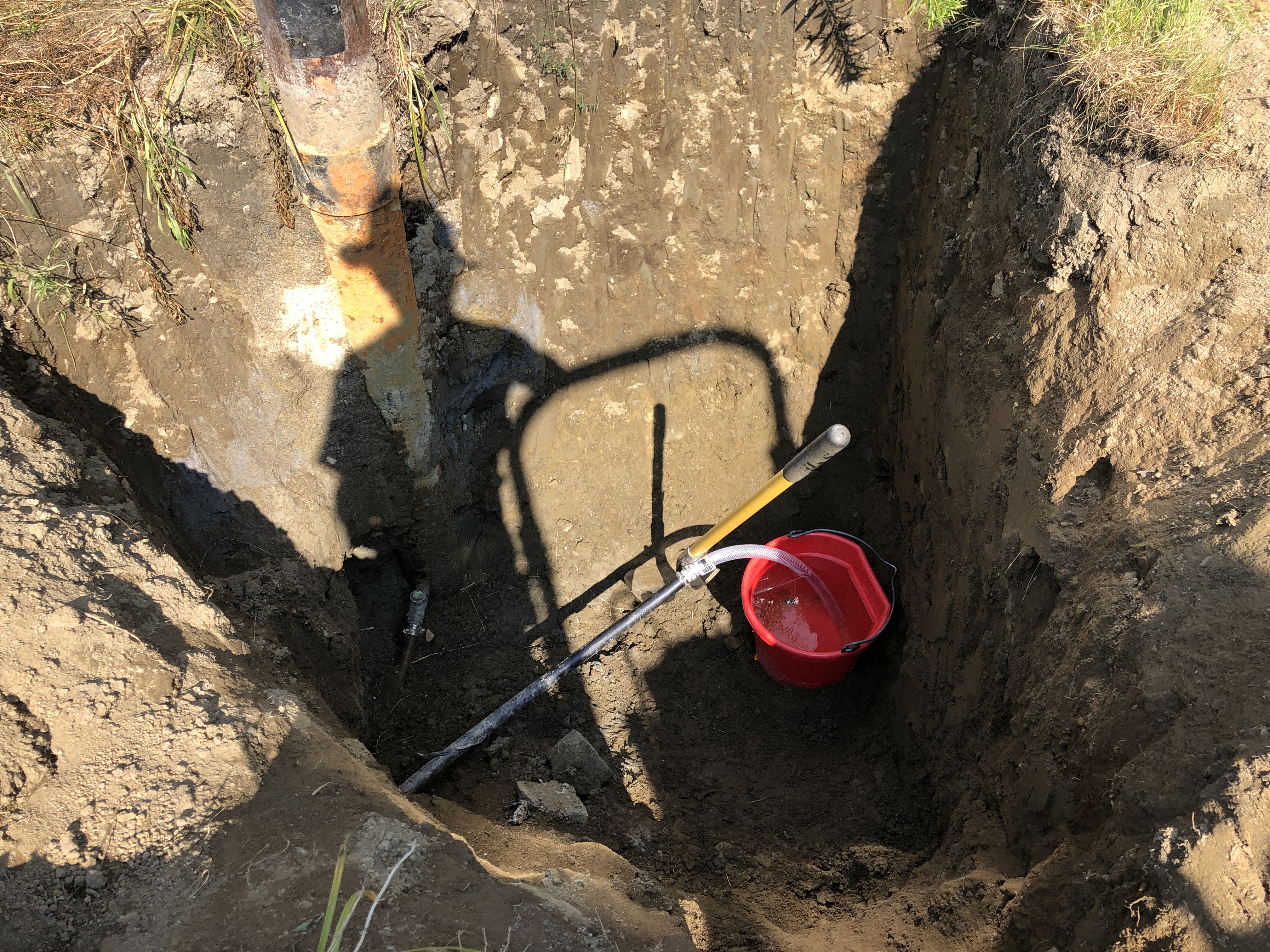
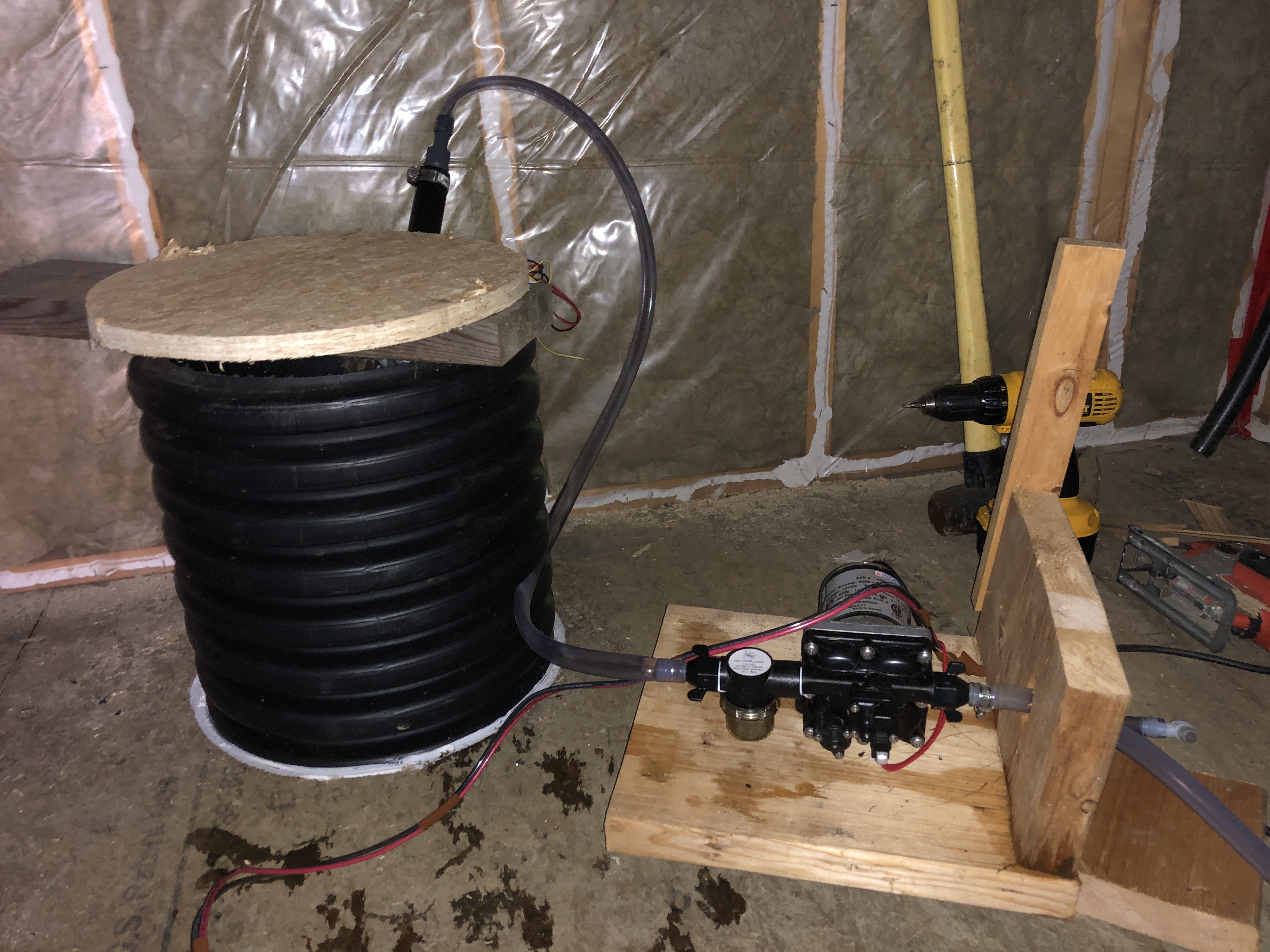
I climbed up a 10′ ladder with the pump to test the assertion and sure enough, it pulls water up just fine. This meant we can have a super cheap pump right inside the house where we can work on it if we need to, with electricity right there. Even better, I can put a simple valve right there to let air in the pipe and all the water will go back into the well, leaving no chance of freezing on the super cold days.

That’s for the somewhat unconventional design, it remained to be seen if all would work in practice. It was time for action.

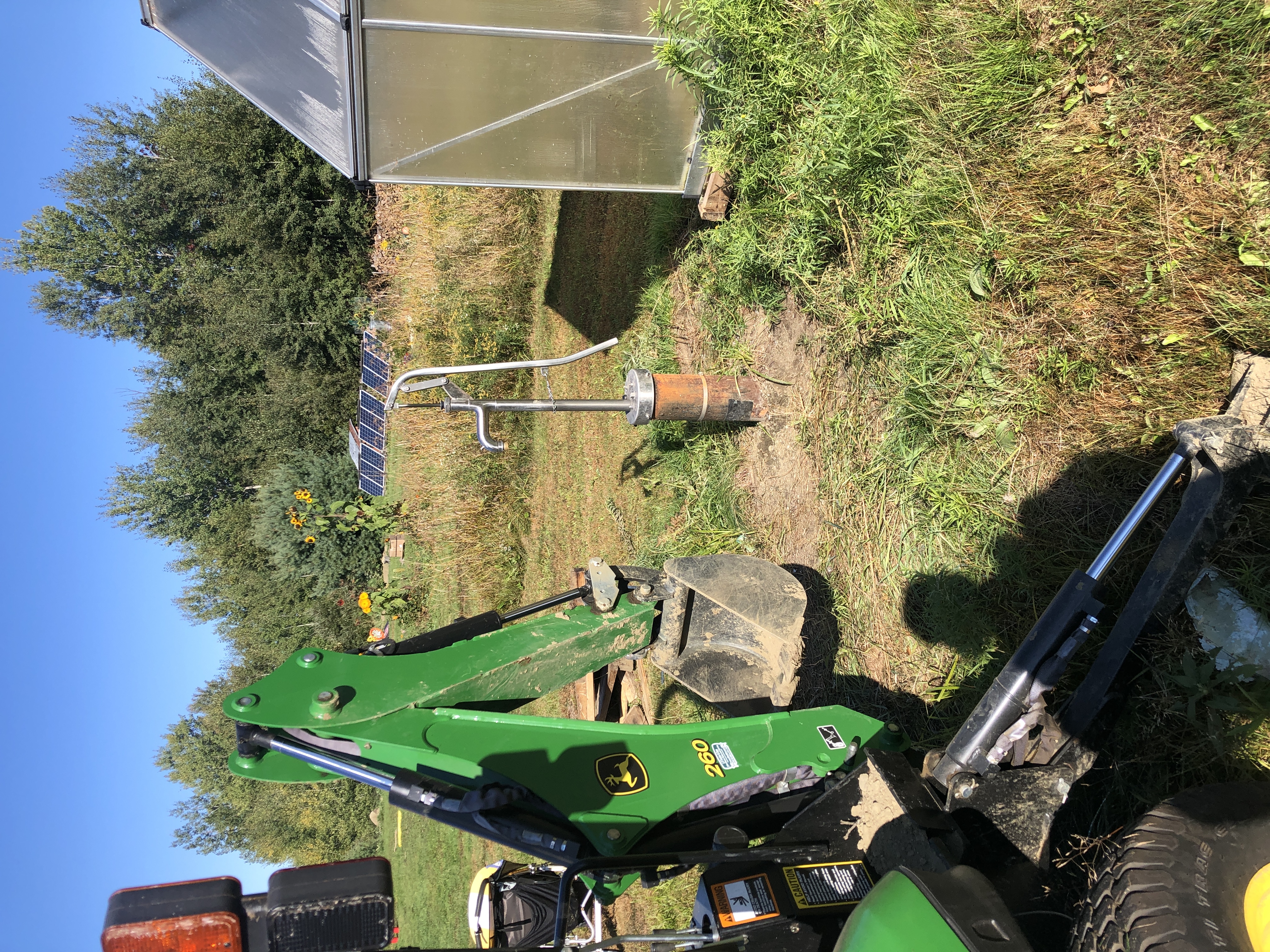
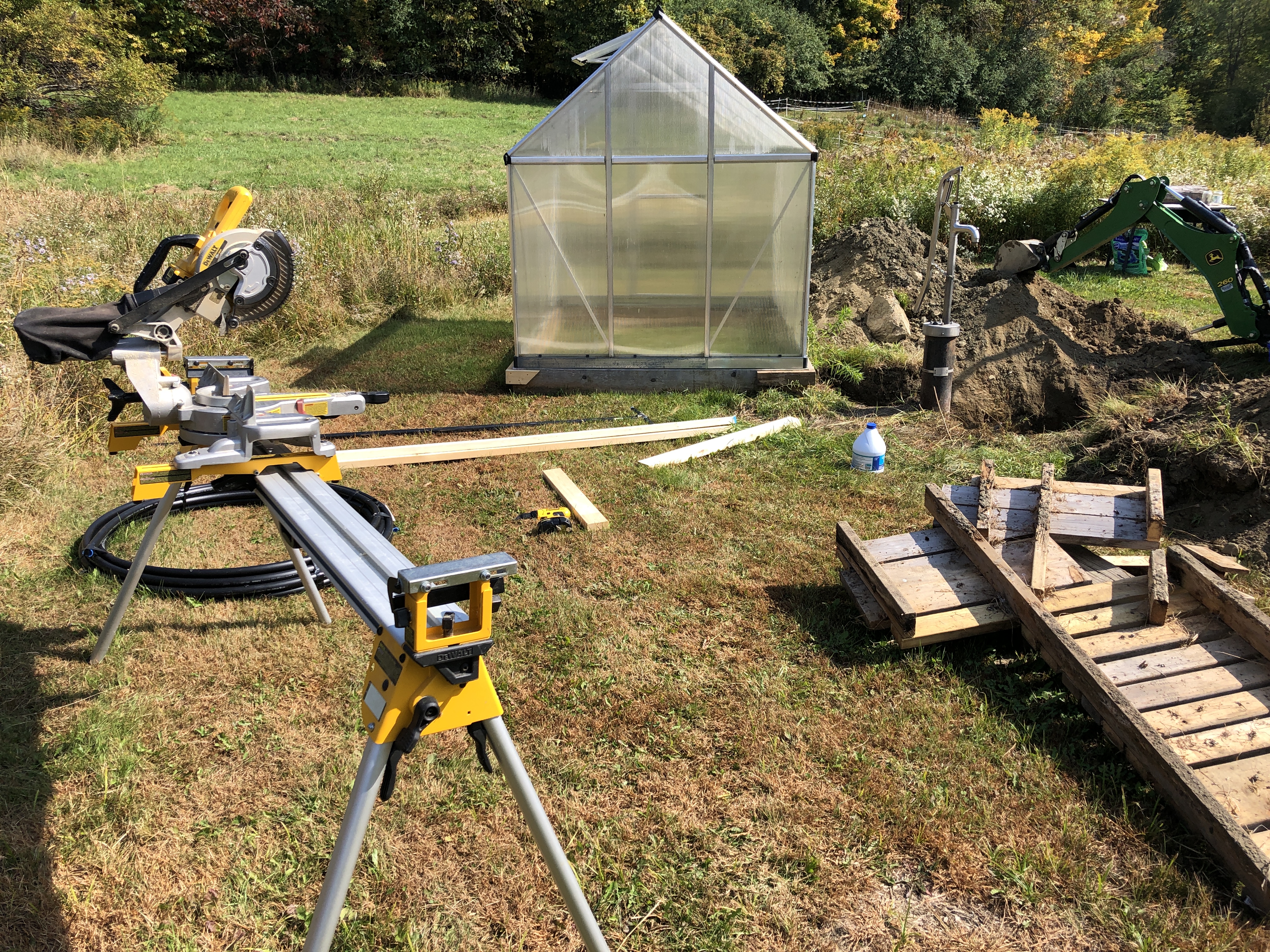
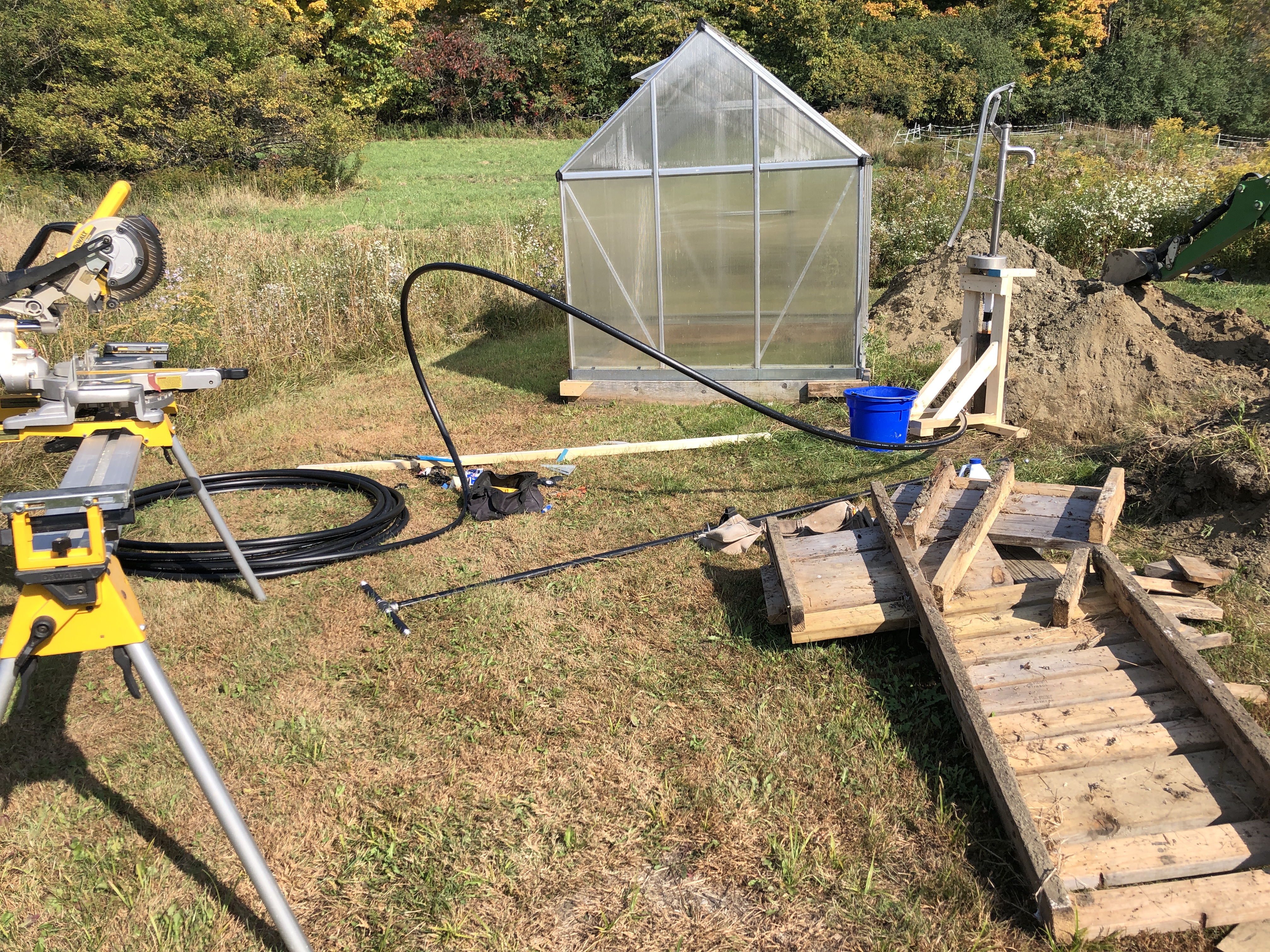
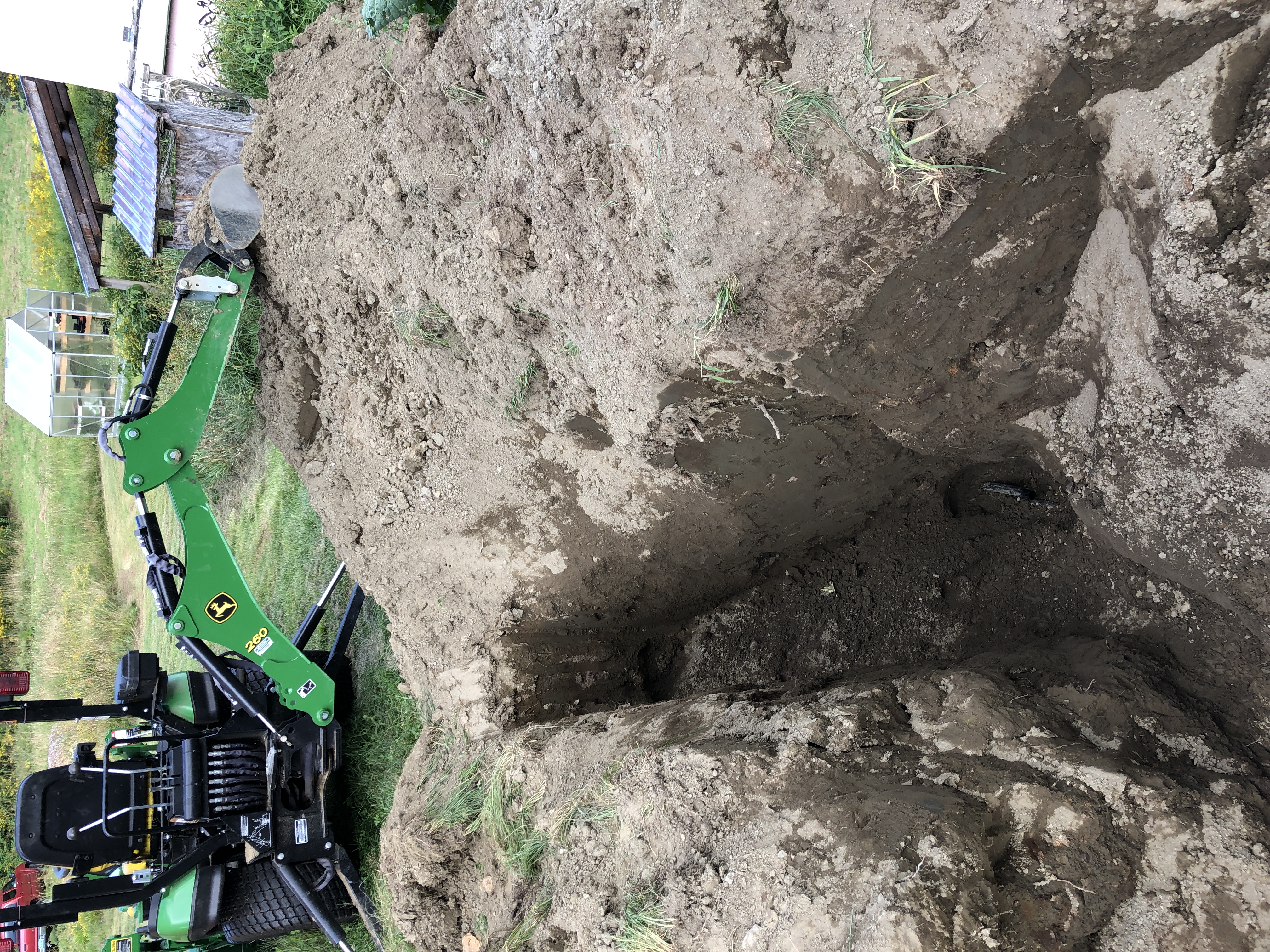
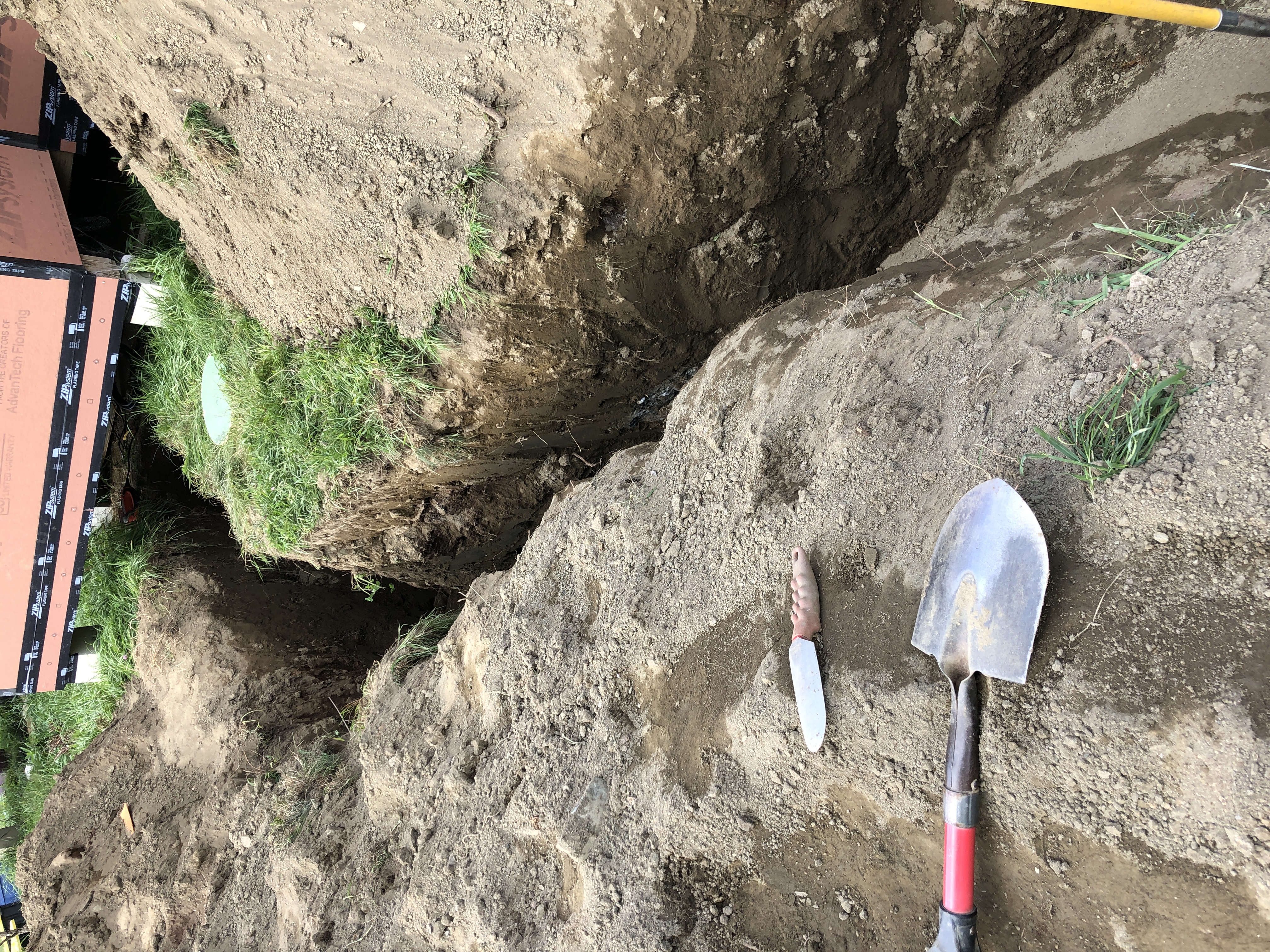
The backhoe is up for duty again, it has paid for itself many times over this Summer. I had to move the green house away from the well too.

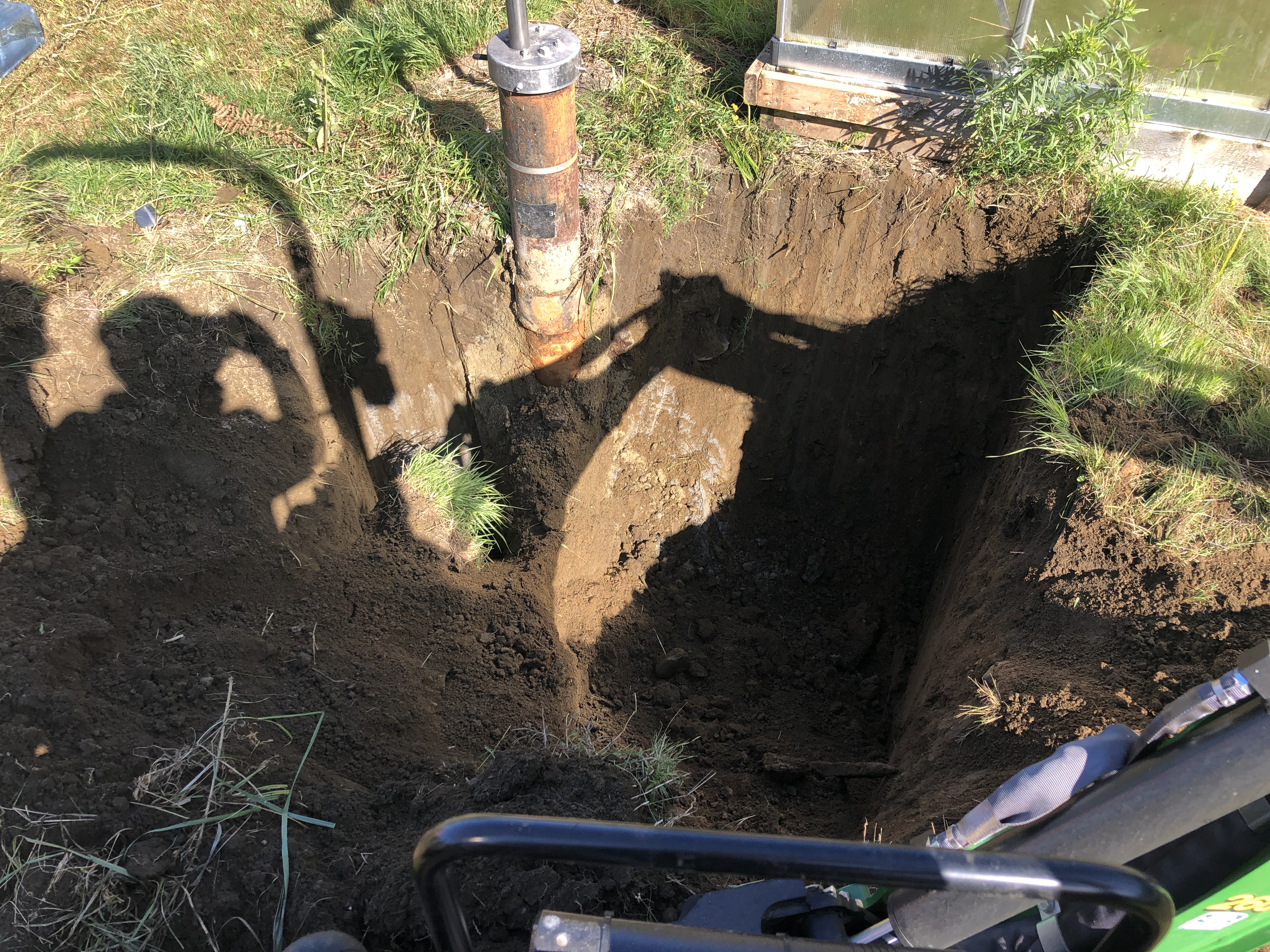
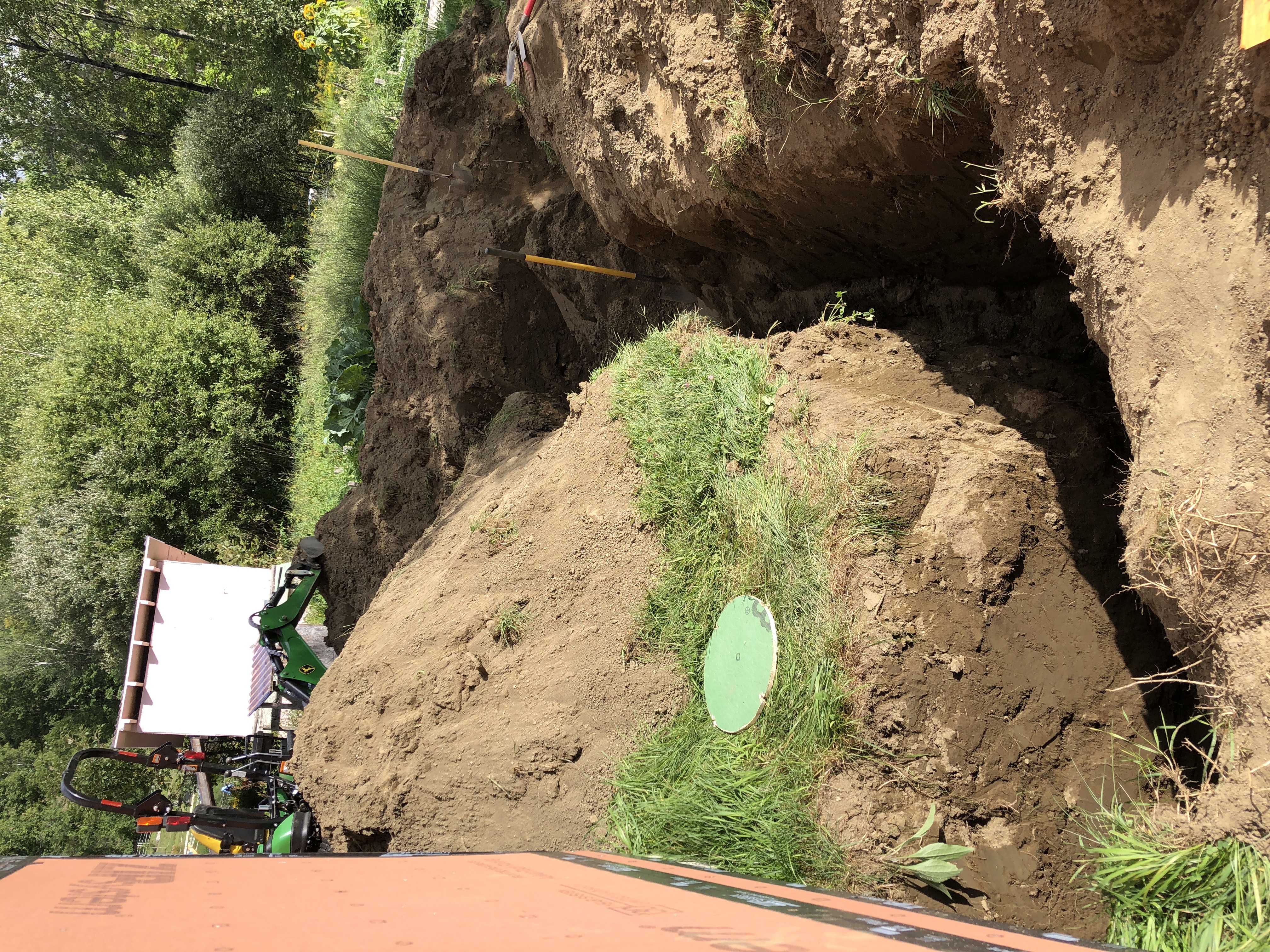
I already have pipes in the ground from the well overflow disposal, and because I dropped the pipe to run in the house then for when I’d need it. I had to be very careful digging.

More work to get there than it looks, a lot is done by hand to not damage the pipes. It’s time to re-do the 10′ height test, the house is also 100′ away from the well, and the pipe a different size so I was ready to think it wouldn’t work.

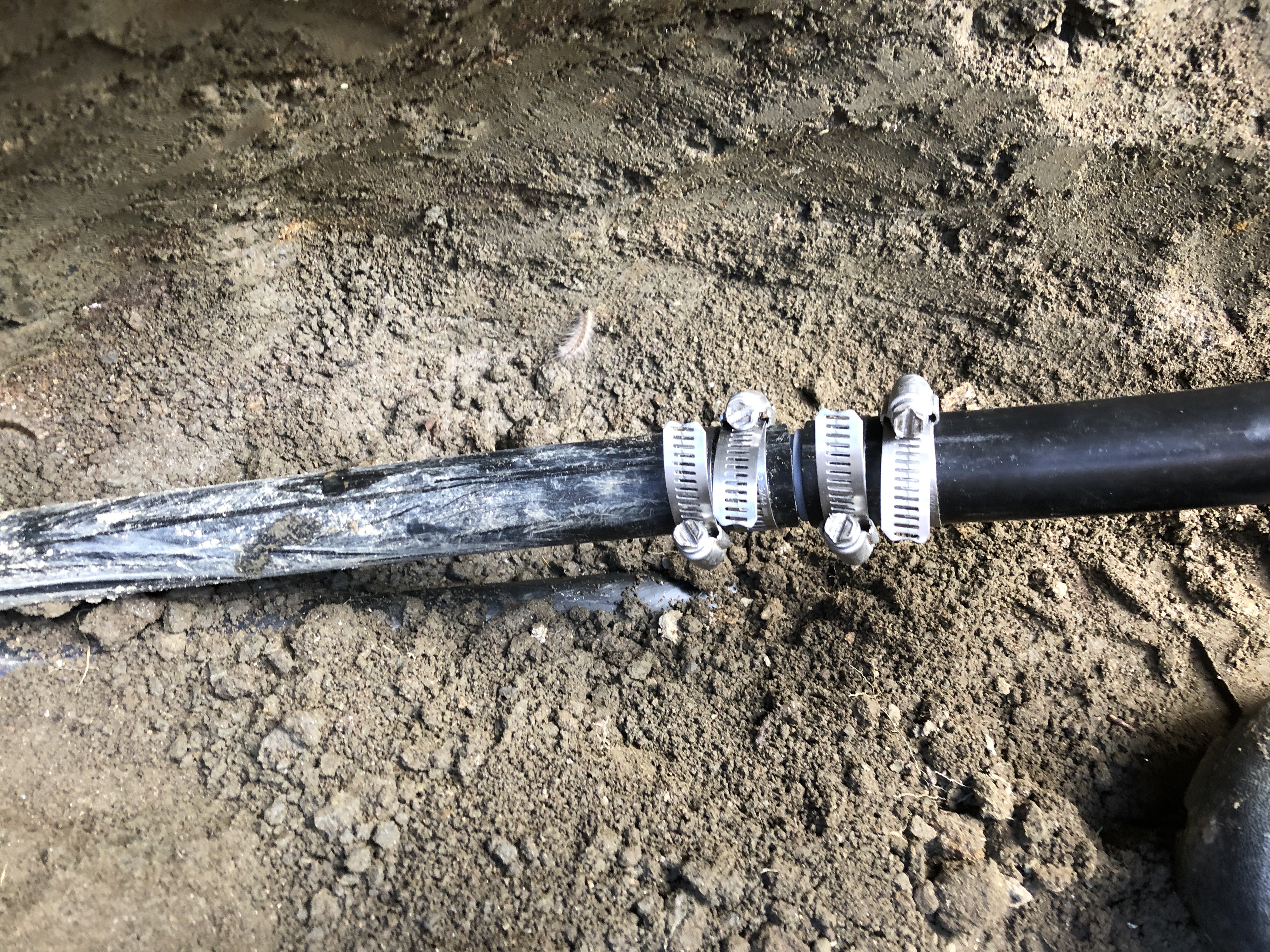
It didn’t initially work which had me worried, stalled the project for a week as I was bracing for plan B. But I re-did it properly with hose clamps at every coupling and plumber’s tape and it worked like a charm. I will get into how I ran the pipe in the house later.

So with this successful test, I knew I could proceed with the well work. I removed the hand pump and realized I’d need to think about the logistics of moving around it more. I might need someone else, I might need to disassemble it, or I might need some sort of rig to hold it while I work on the rest.

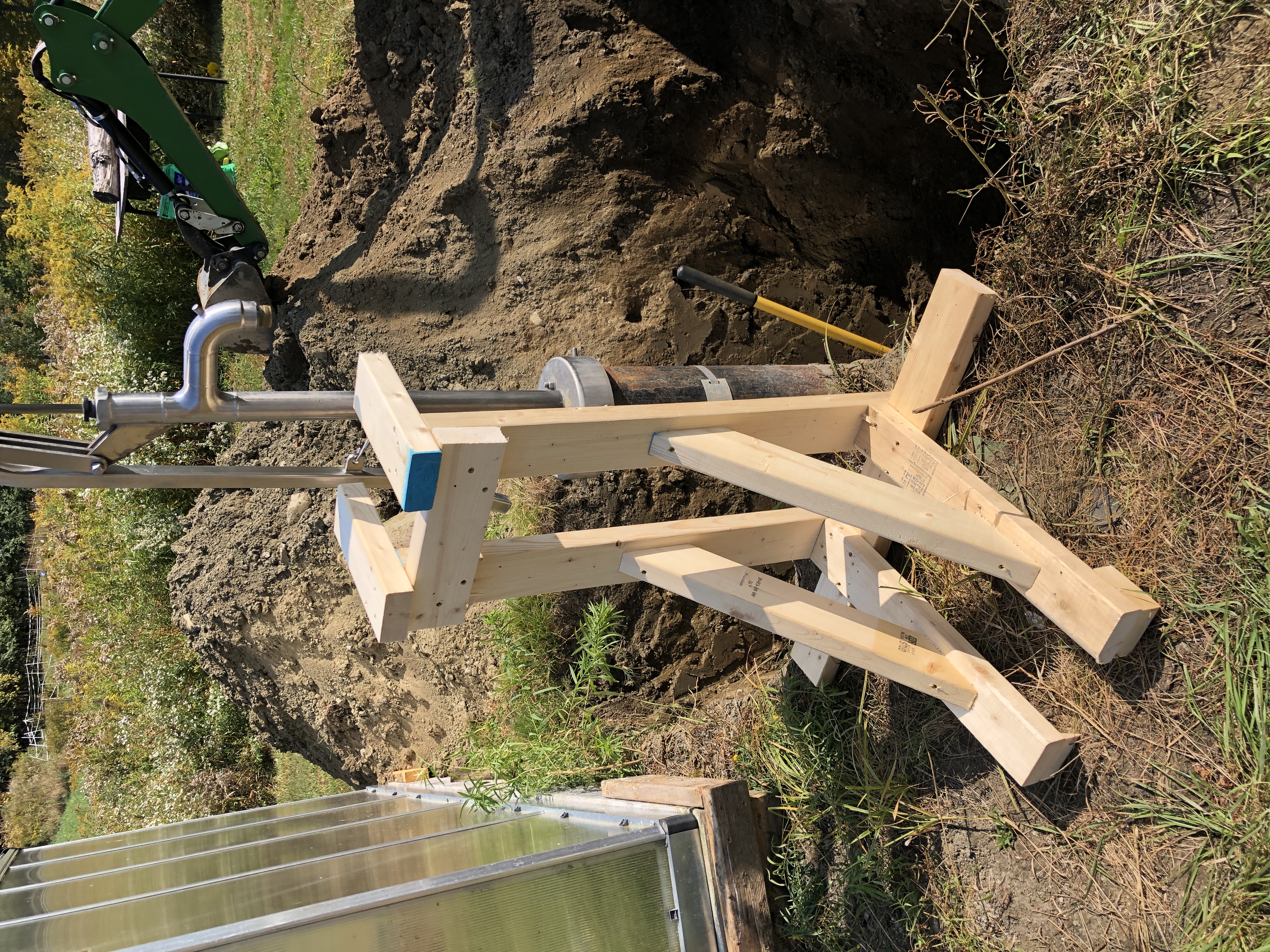
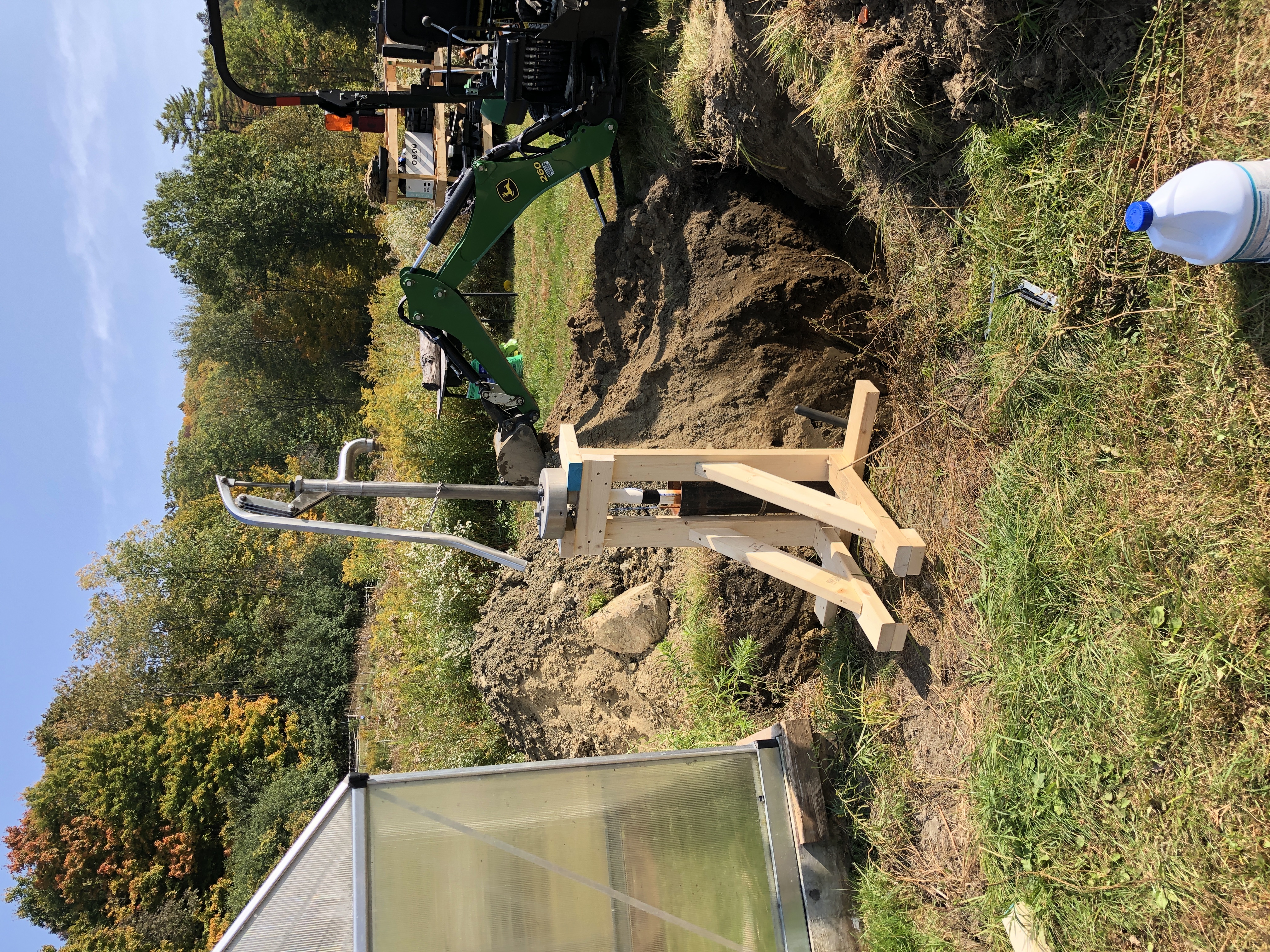
After another week of thinking and preparation, I decided to go for the rig:

I really didn’t want to disassemble it, it just needs to be out of the way enough that I can work in the well. It does weight quite a bit with the 72′ of piping in the well.

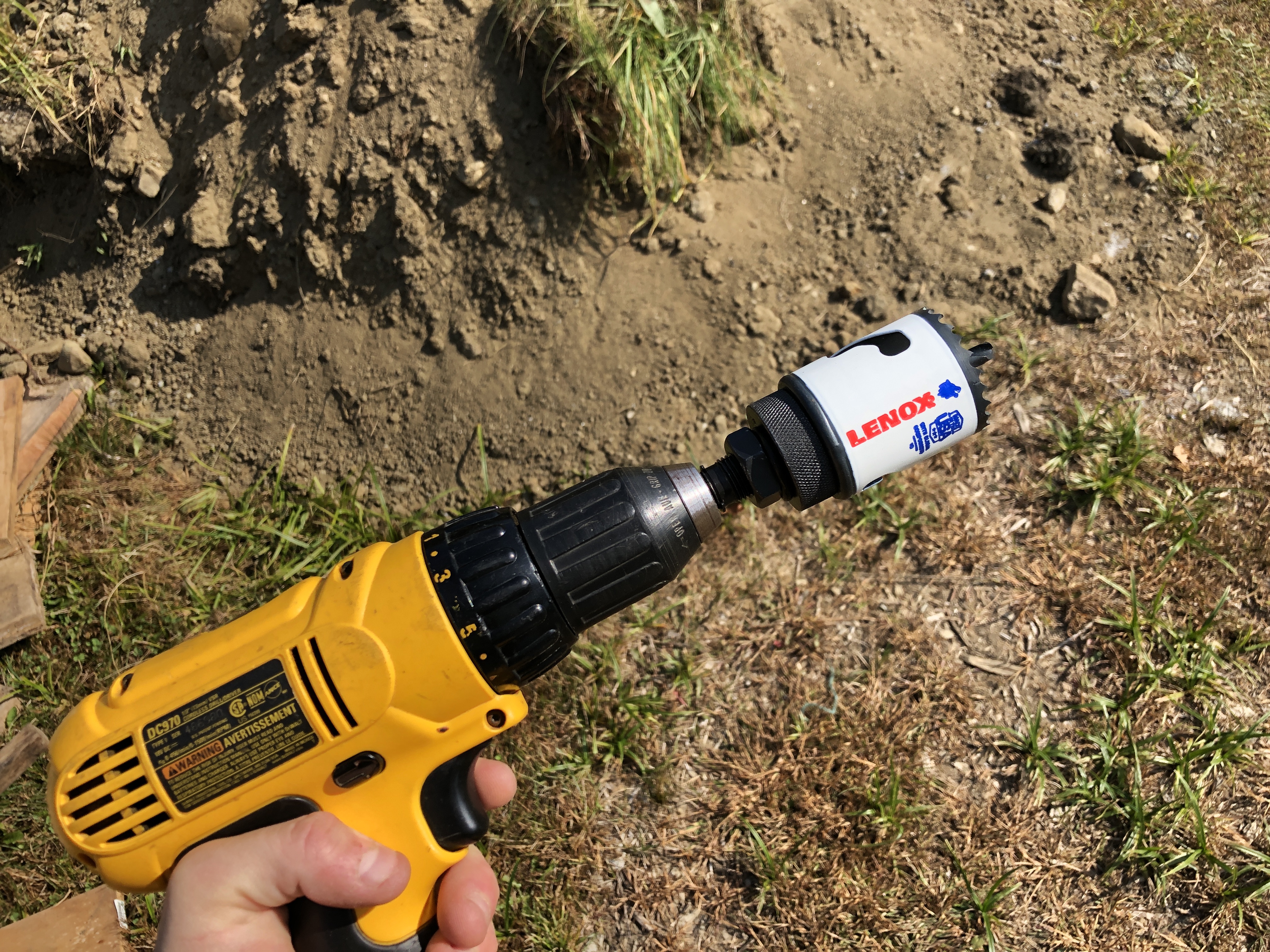
Time to make a hole for the pitless adapter

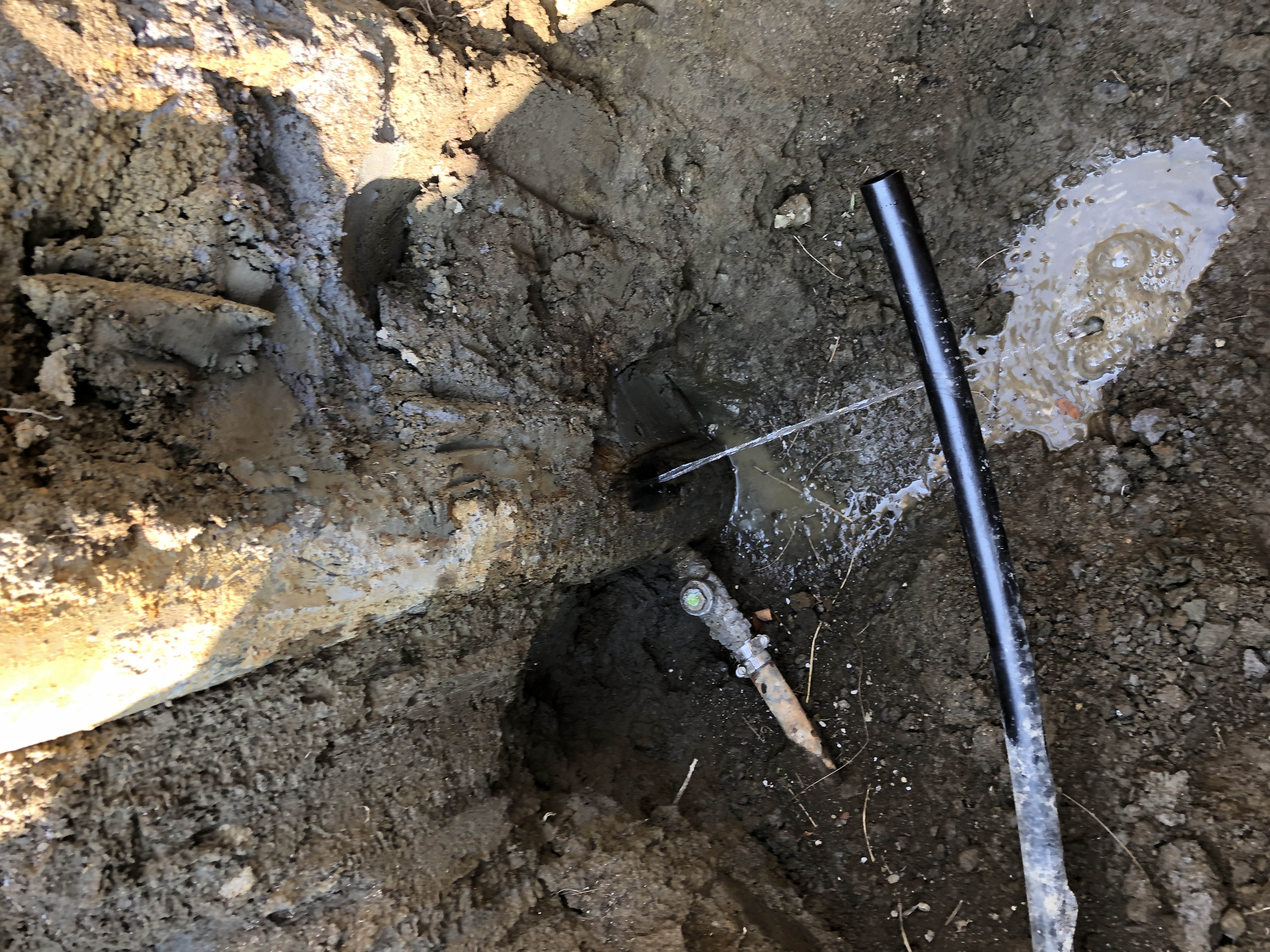
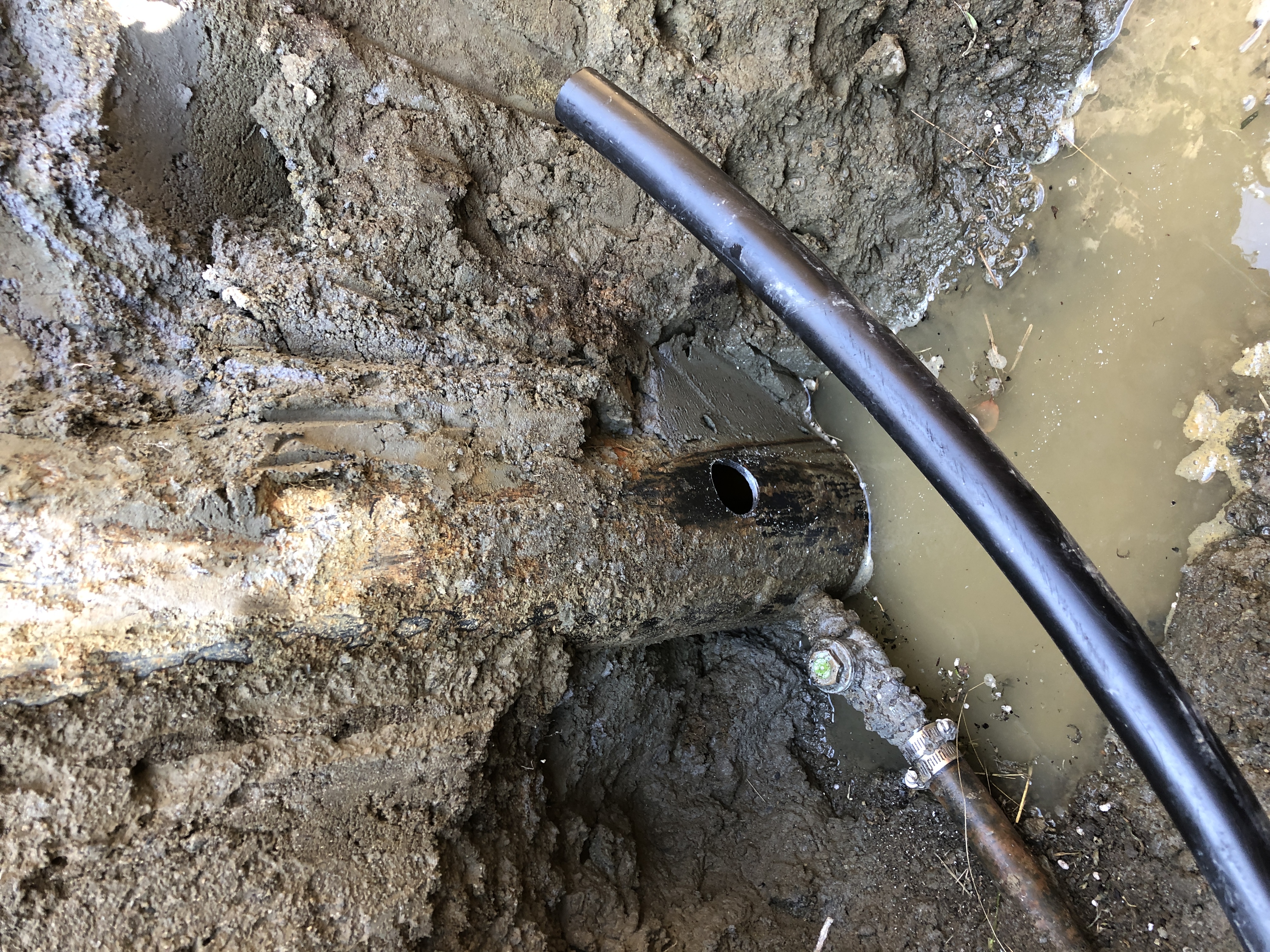
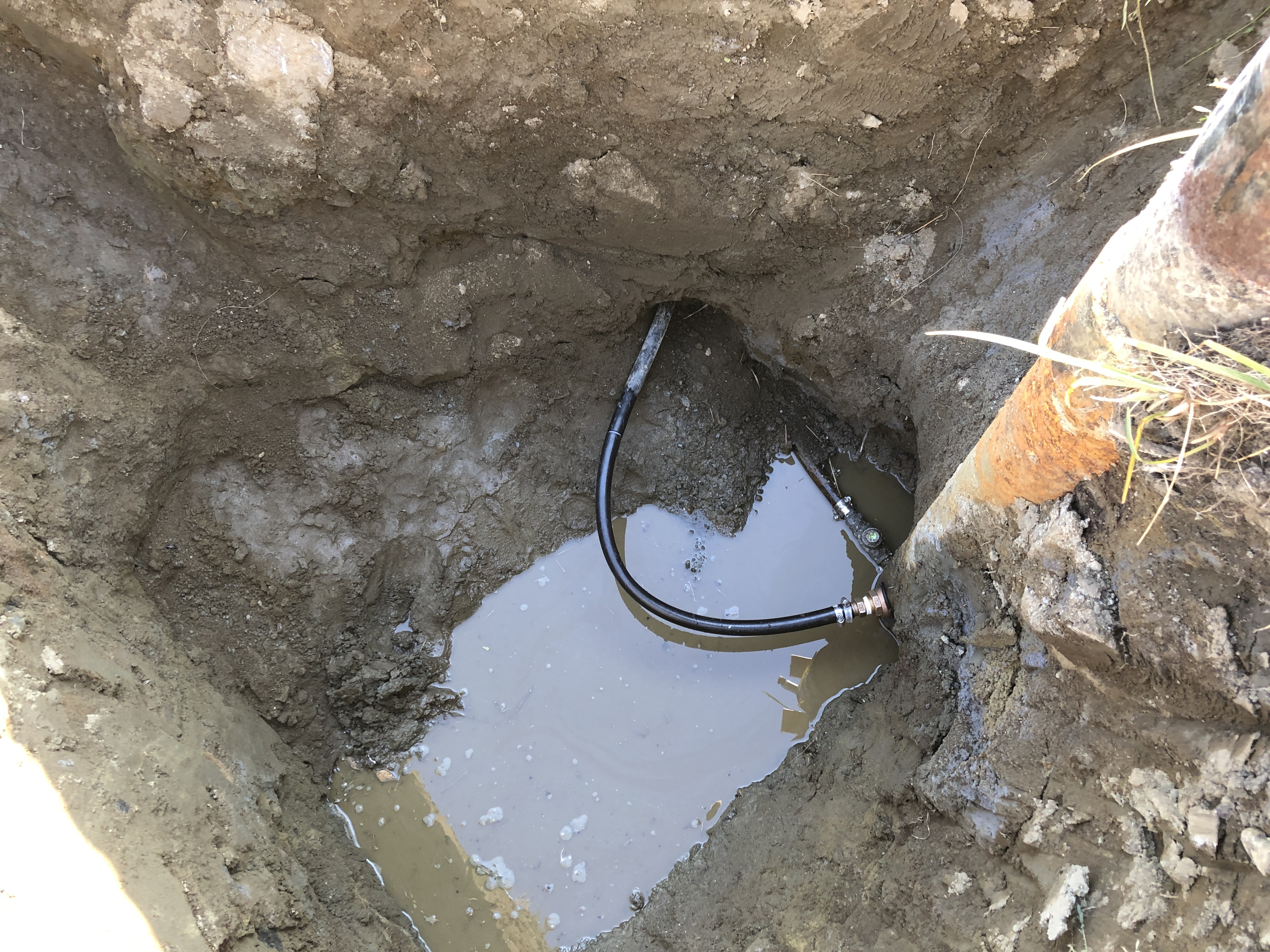
I went in the hole, cleaned up a spot and started drilling. To my surprise, the static is barely above the overflow disposal outlet, and water came out. This meant I did the rest of the work in the mud…

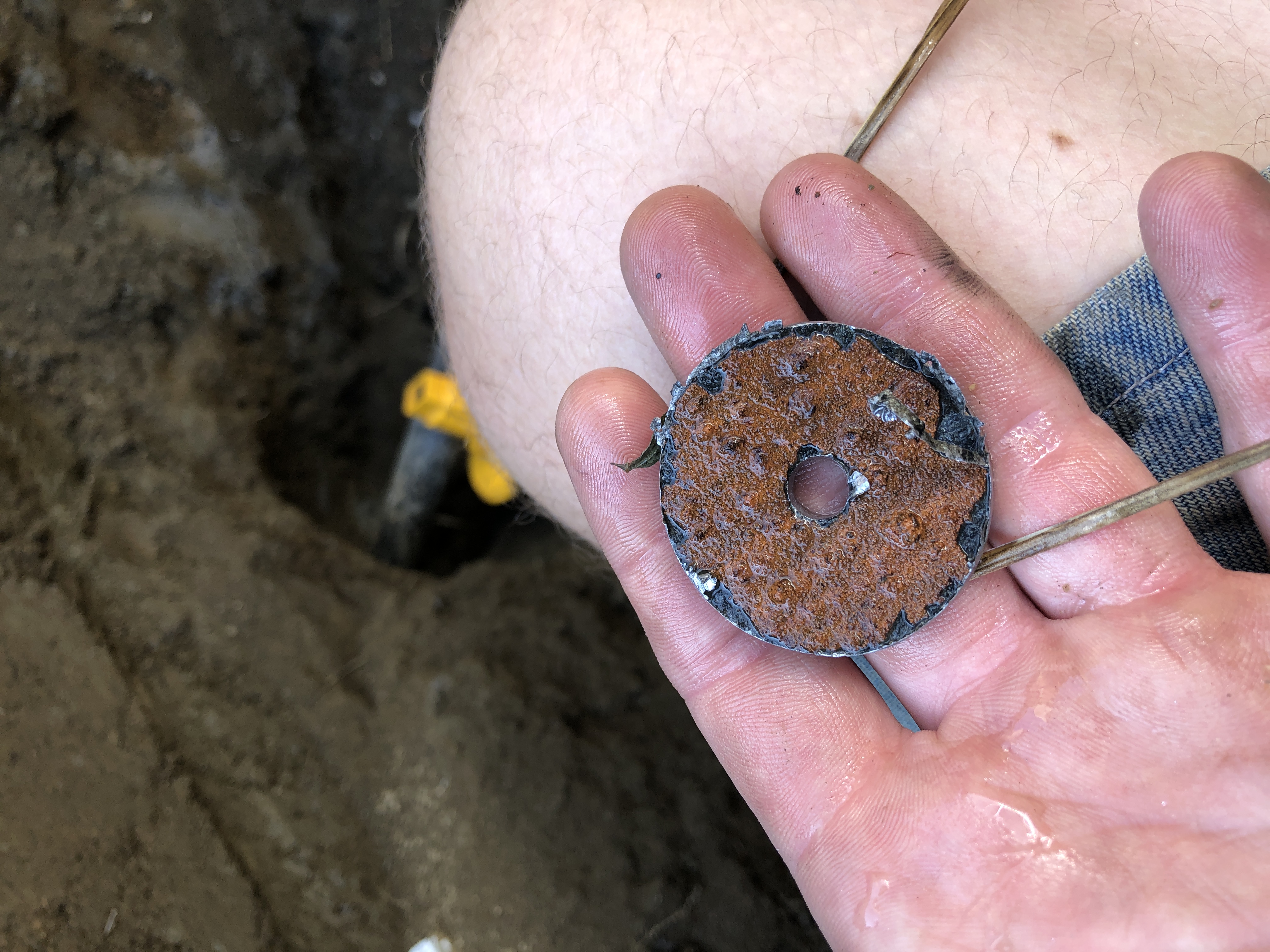
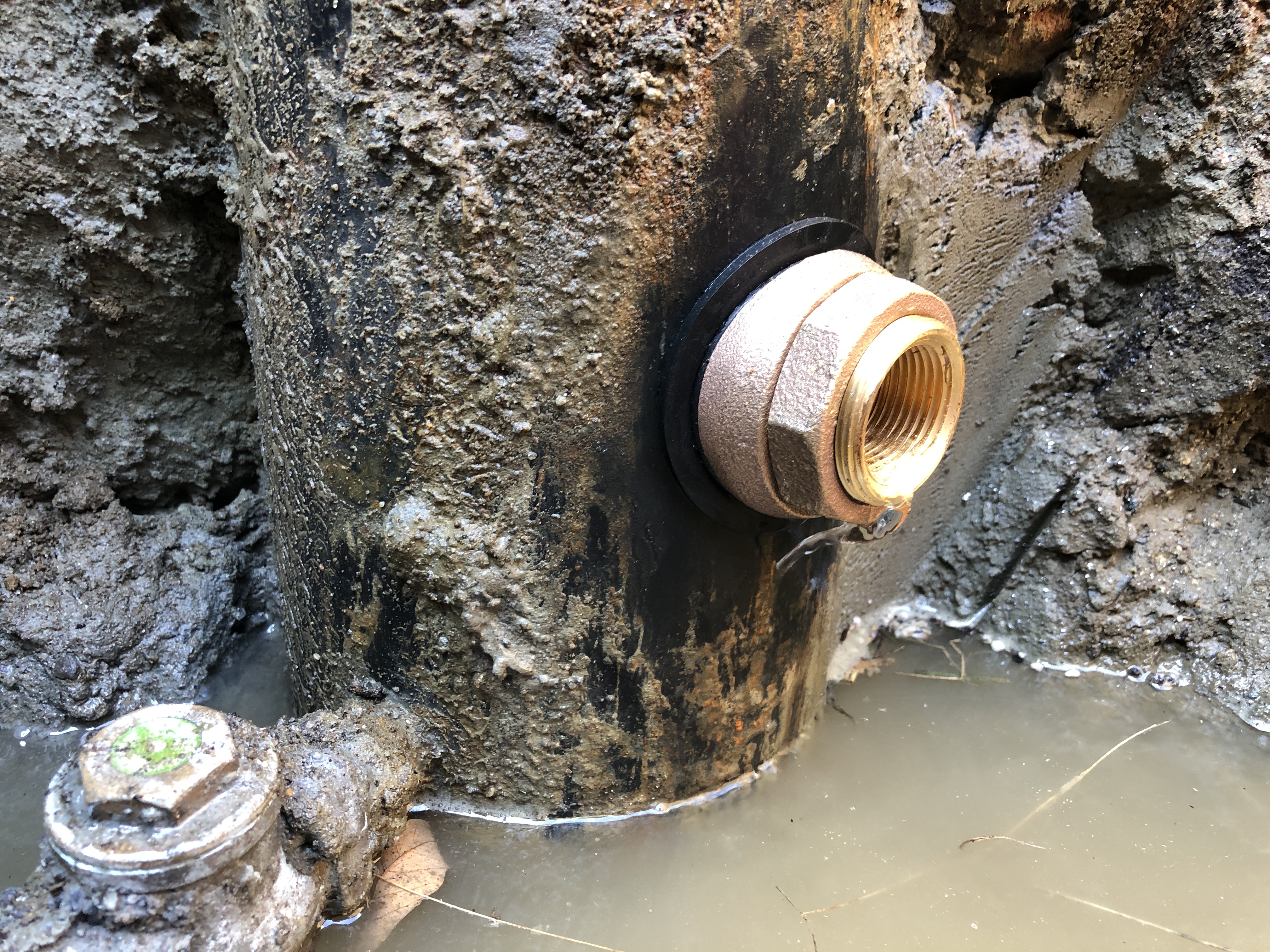
The pitless adapter hole is complete. One of the scarier part of the project.

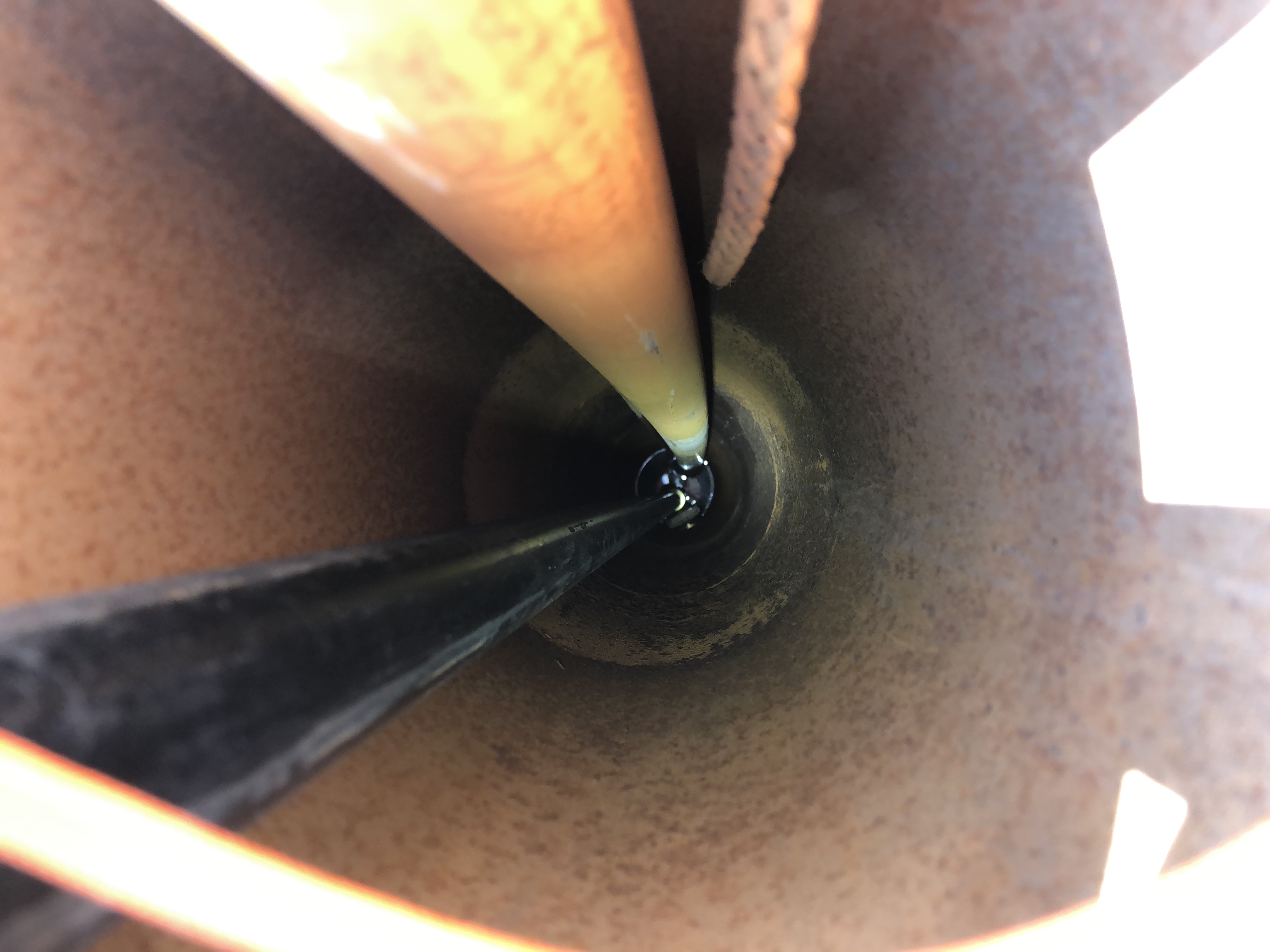
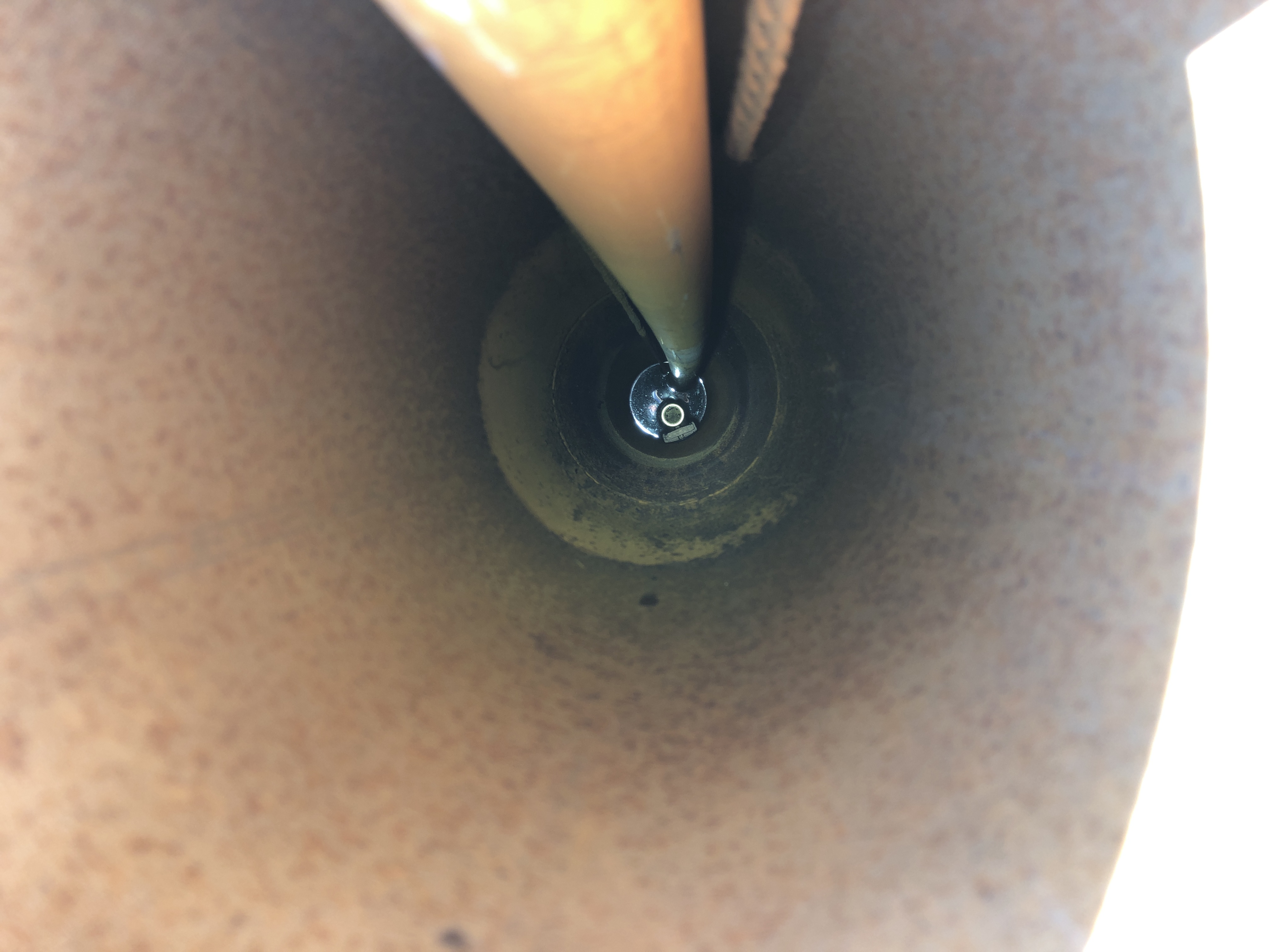
What the inside of a well looks like.

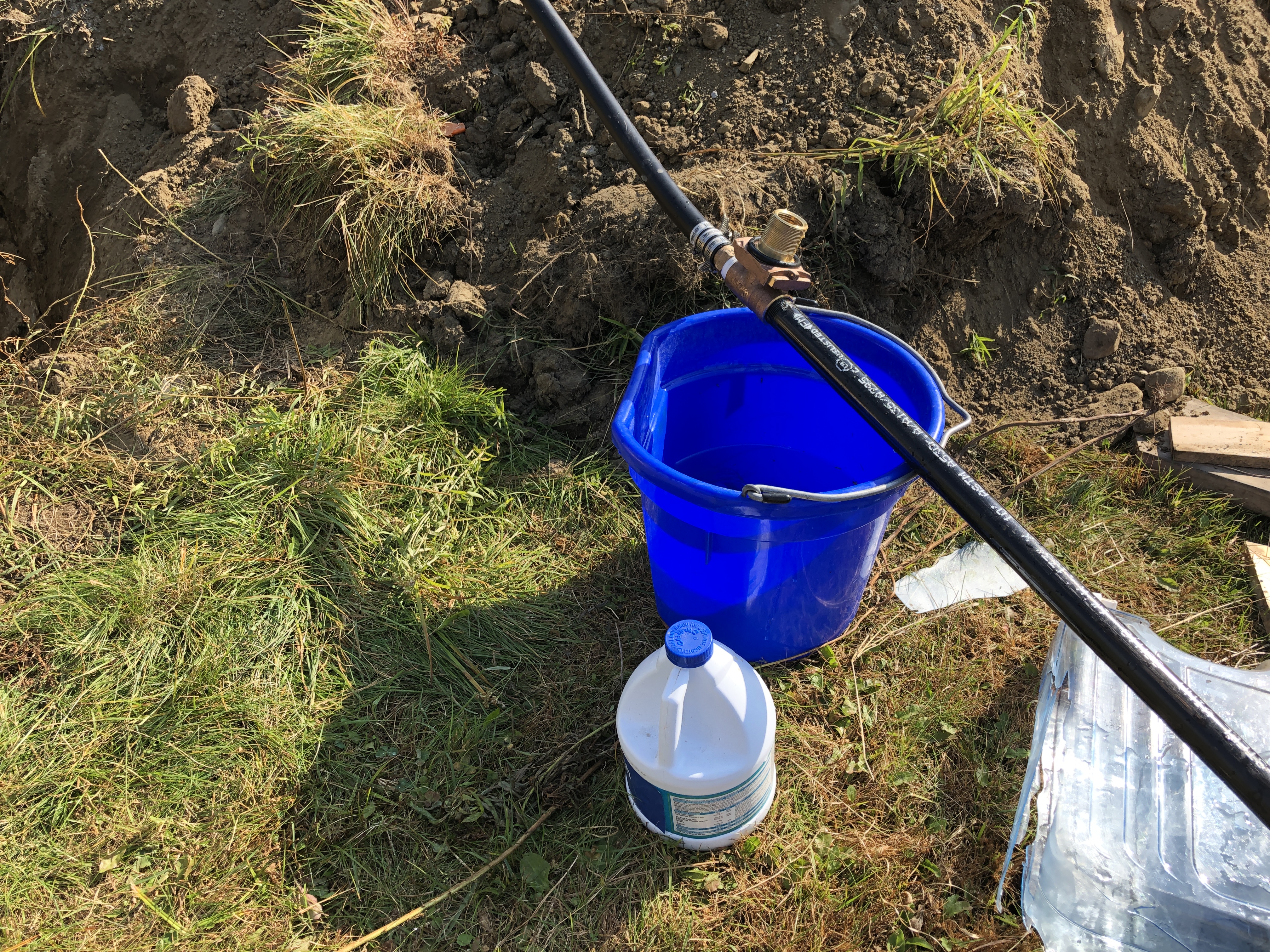
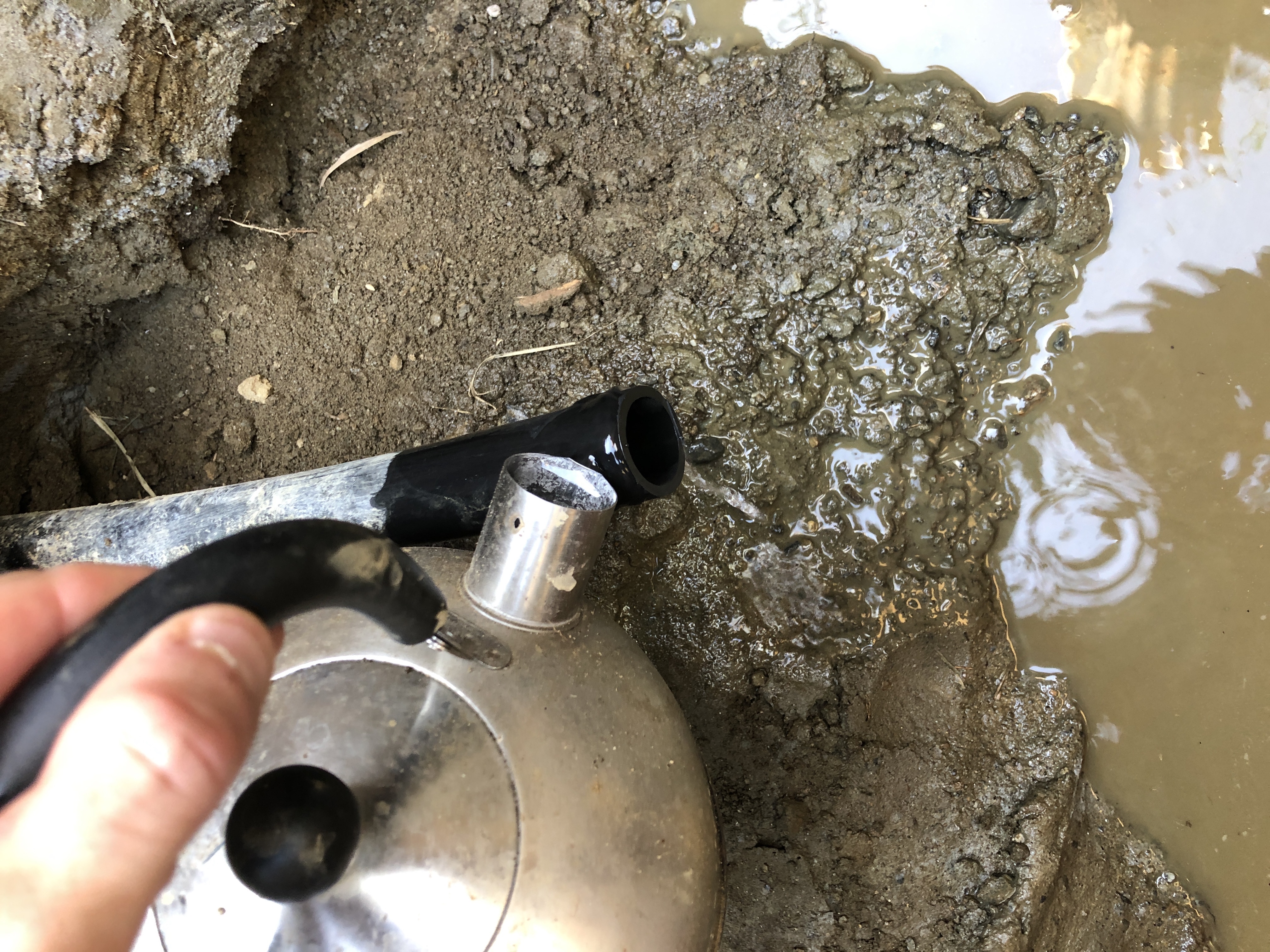
Time to put the pitless through the hole I just drilled (notice the T shaped metal pull pipe in the grass, I learned you want metal and not plastic for rigidity). Now, because I don’t have a pump sitting at the bottom of my well, I tried to feed the pipe already attached to the pitless adapter.

First the pipe goes in (it’s 100′ long)

Then you thread the pull pipe on the pitless and bring it down into the well, where the hole is. I bleached the ever living shit out of anything that touches the well.

Not the easiest operation but not the worst thing I’ve done either.

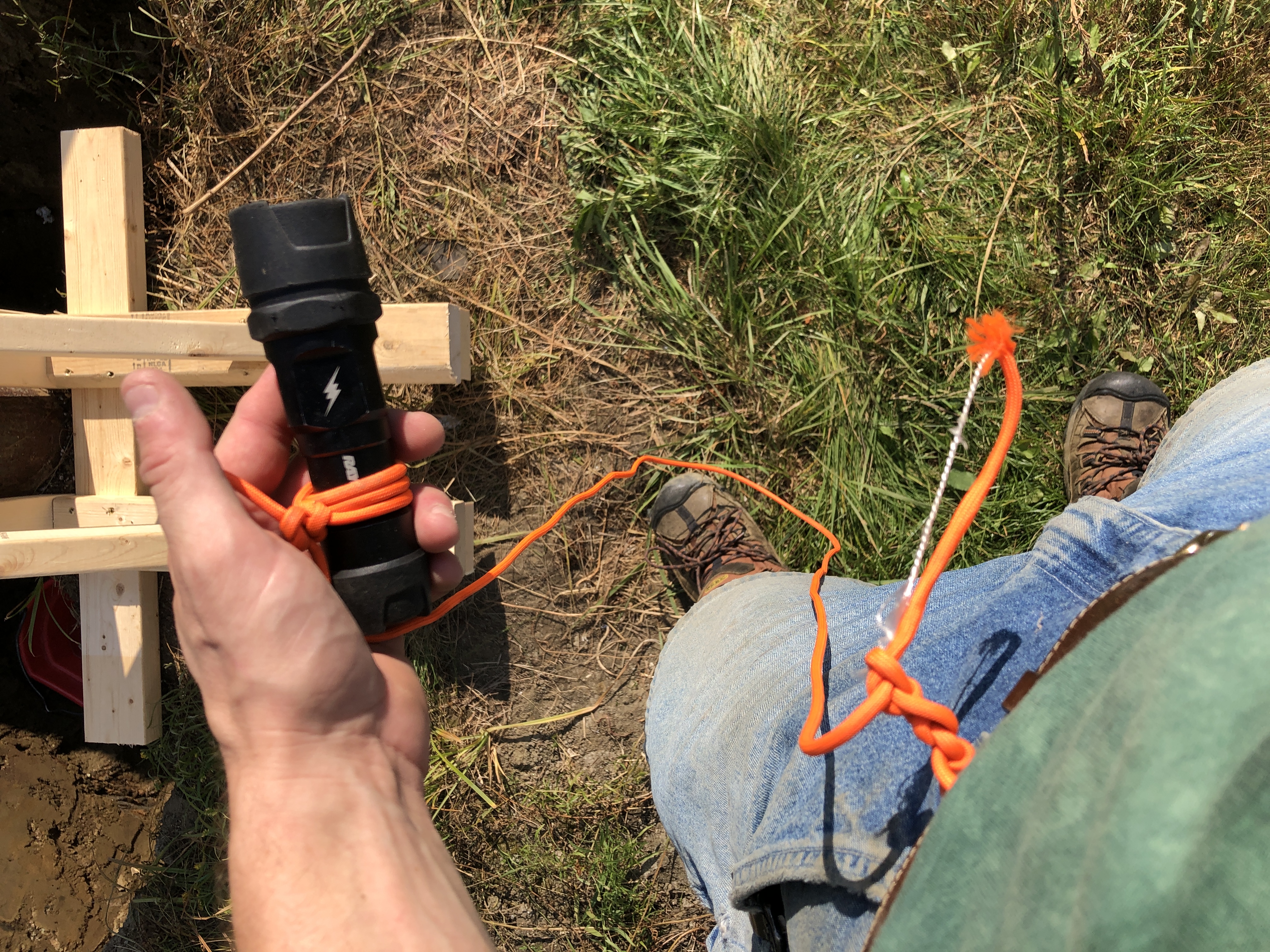
Inside the well, white is the hand pump pipe, it’s secured with a string. The pull pipe and the pitless adapter further down.

You do NOT want to lose anything in the well.

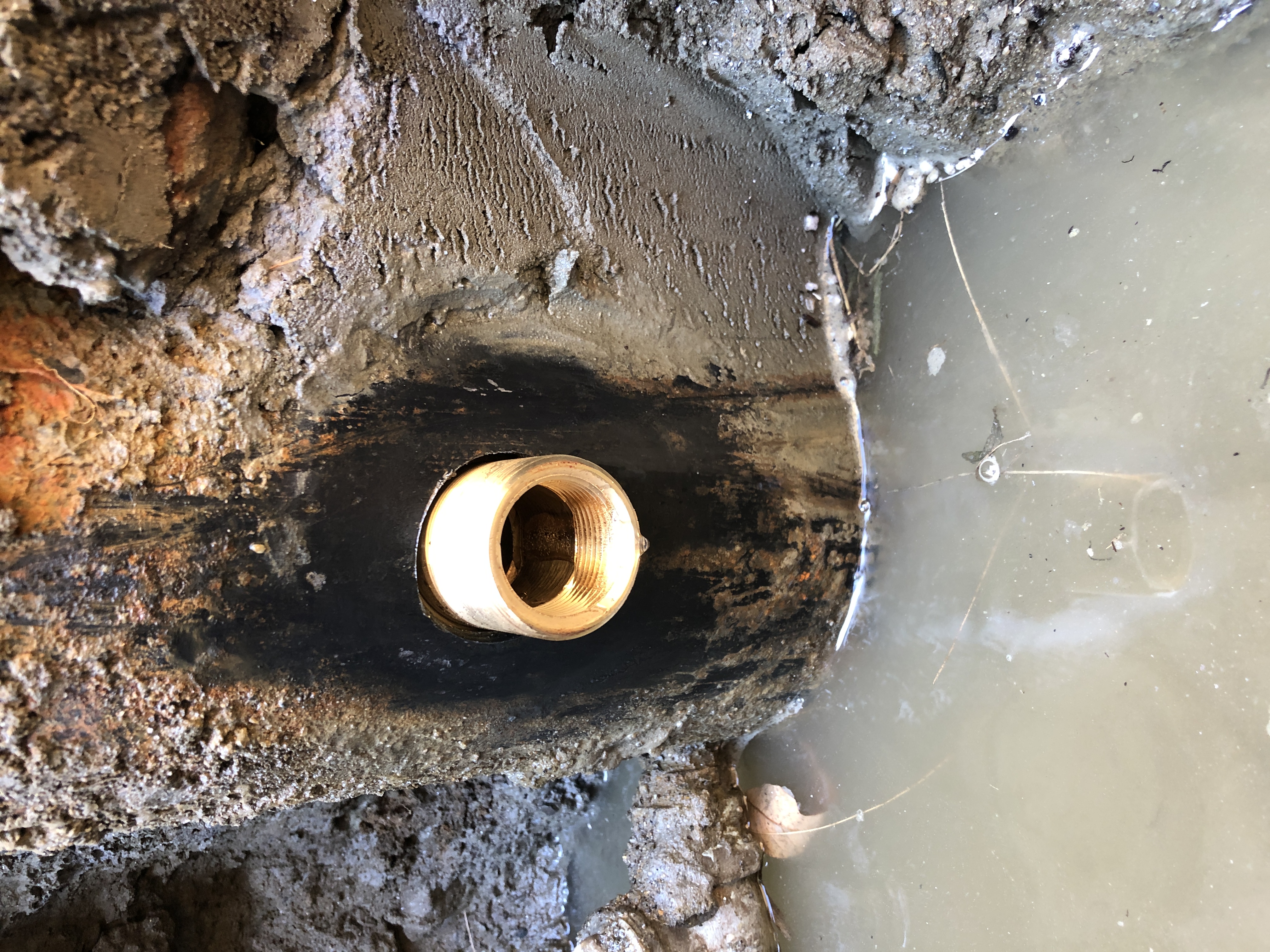
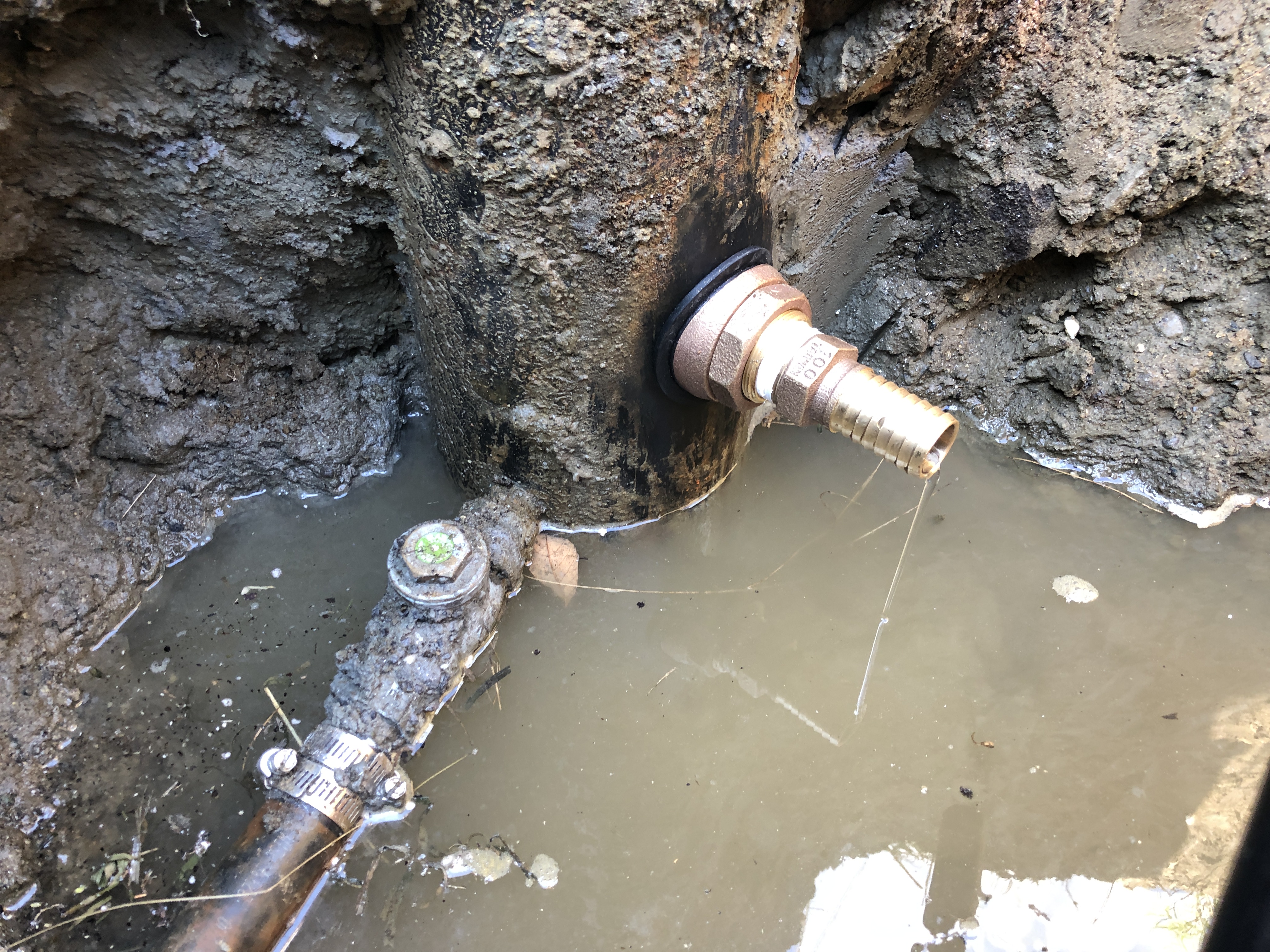
Outside the casing, this is starting to smell like success.

Secured

Which means we can unscrew and remove the pull pipe. Again note that I did this all in one operation because I could get away with it. In a lot of cases, with the pitless secured, it’s now time to separate it and retrieve the section to attach pipes & pumps to. Then you lower it back down in the well.

Getting ready to receive the pipe which goes all the way inside the house.

Hot water helps with tight fits.

Looks a little funny but it doesn’t matter, and yes I later clamped the coupler.

With all this done, I went back in the house and ran the pump one last time. I pumped 15 gallons at the press of a button. It’s exhilarating to think of our lives getting better, and relieving to feel the stress of months of apprehension vanish.

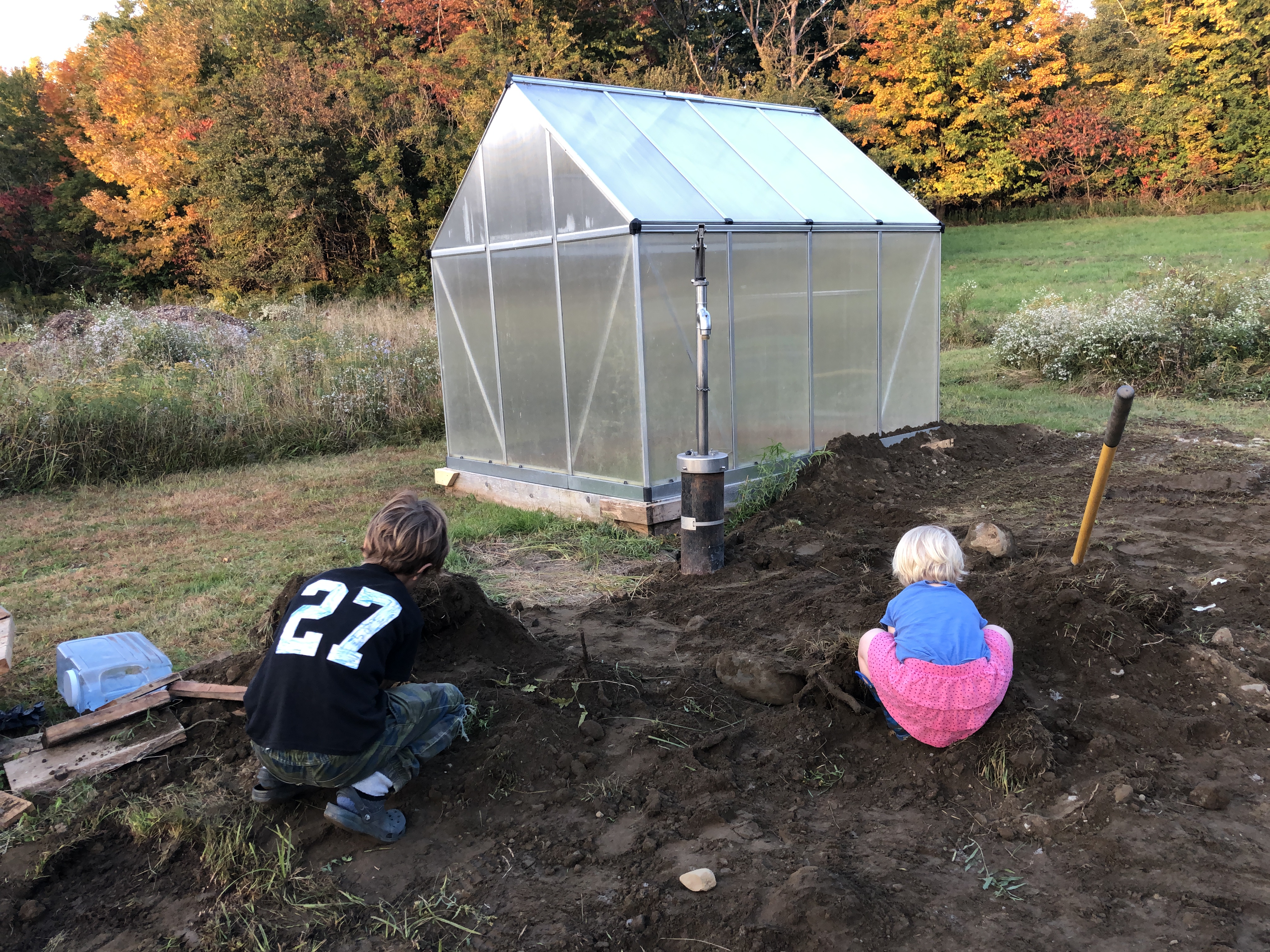
I filled the hole back up, and of course the kids showed up to play in the dirt.


On to the second phase of the project, which actually happened before: bringing the pipe in the house.

Years ago, when we ran the overflow disposal, I added another pipe in the trench, from the well to somewhere near the house. It was tricky to find it again, a vertical post in the ground helped a lot.

Connected to the pipe that’s been sitting in the ground, waiting patiently for 4 years.


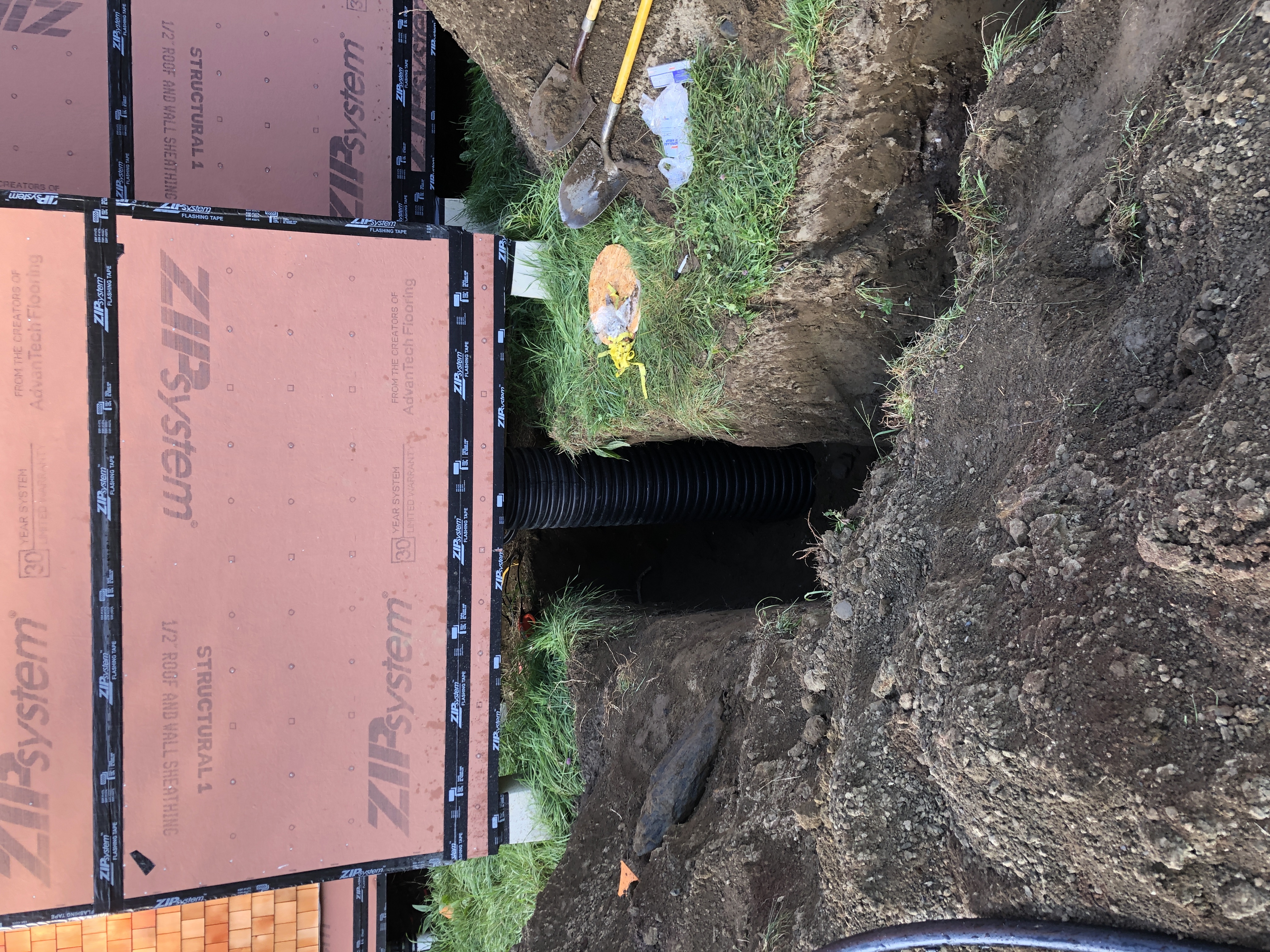
I made another hole in the house and ran the pipe through it.

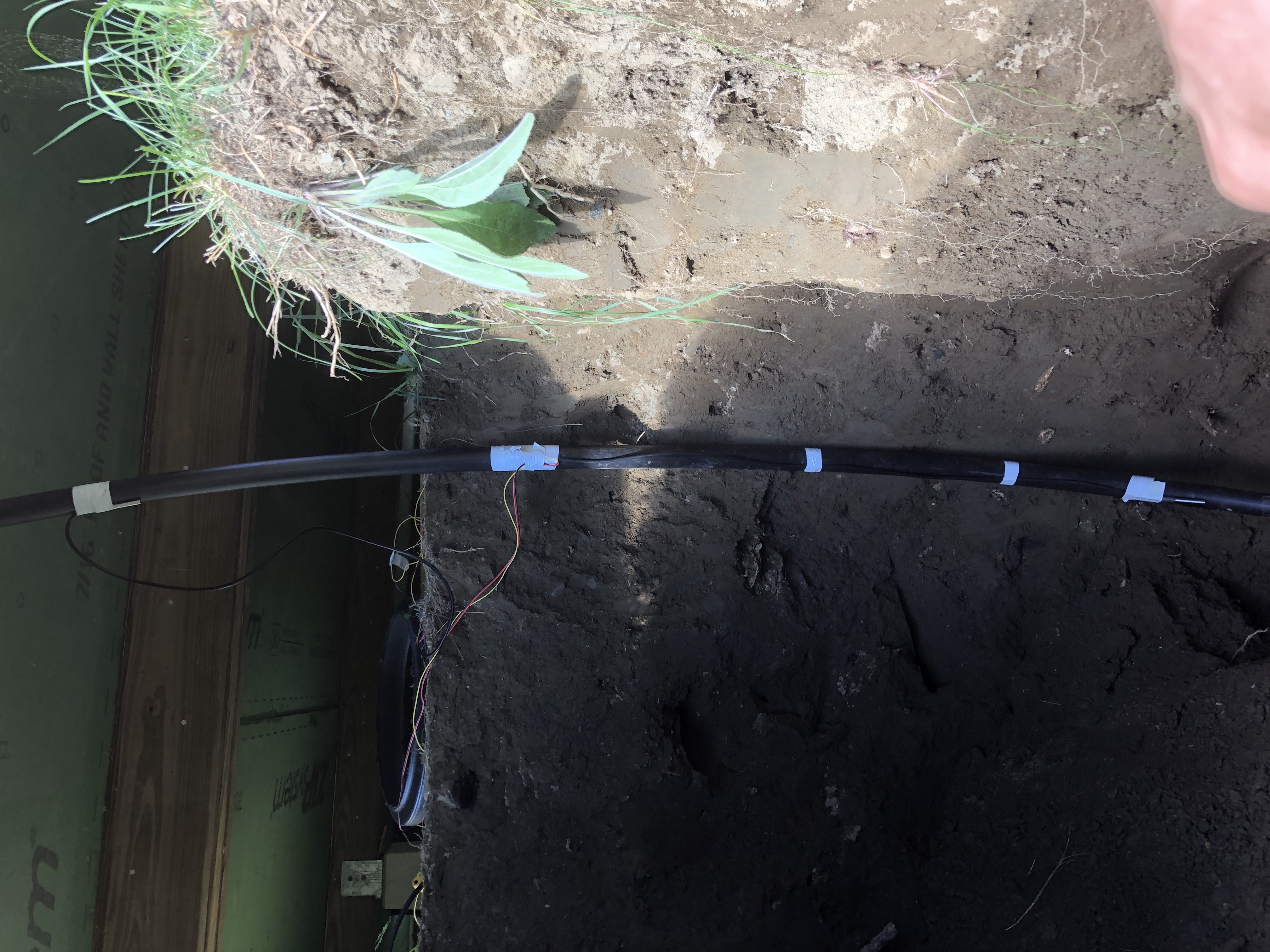
I attached 3 temperature probes on the pipe at different levels to have the ability to keep an eye on potential freezing. If I learn that we don’t get anywhere near freezing on the super cold stretches, I won’t ever have to worry about it. Otherwise, I’ll be able to flush the water back into the well, maybe even automatically so.

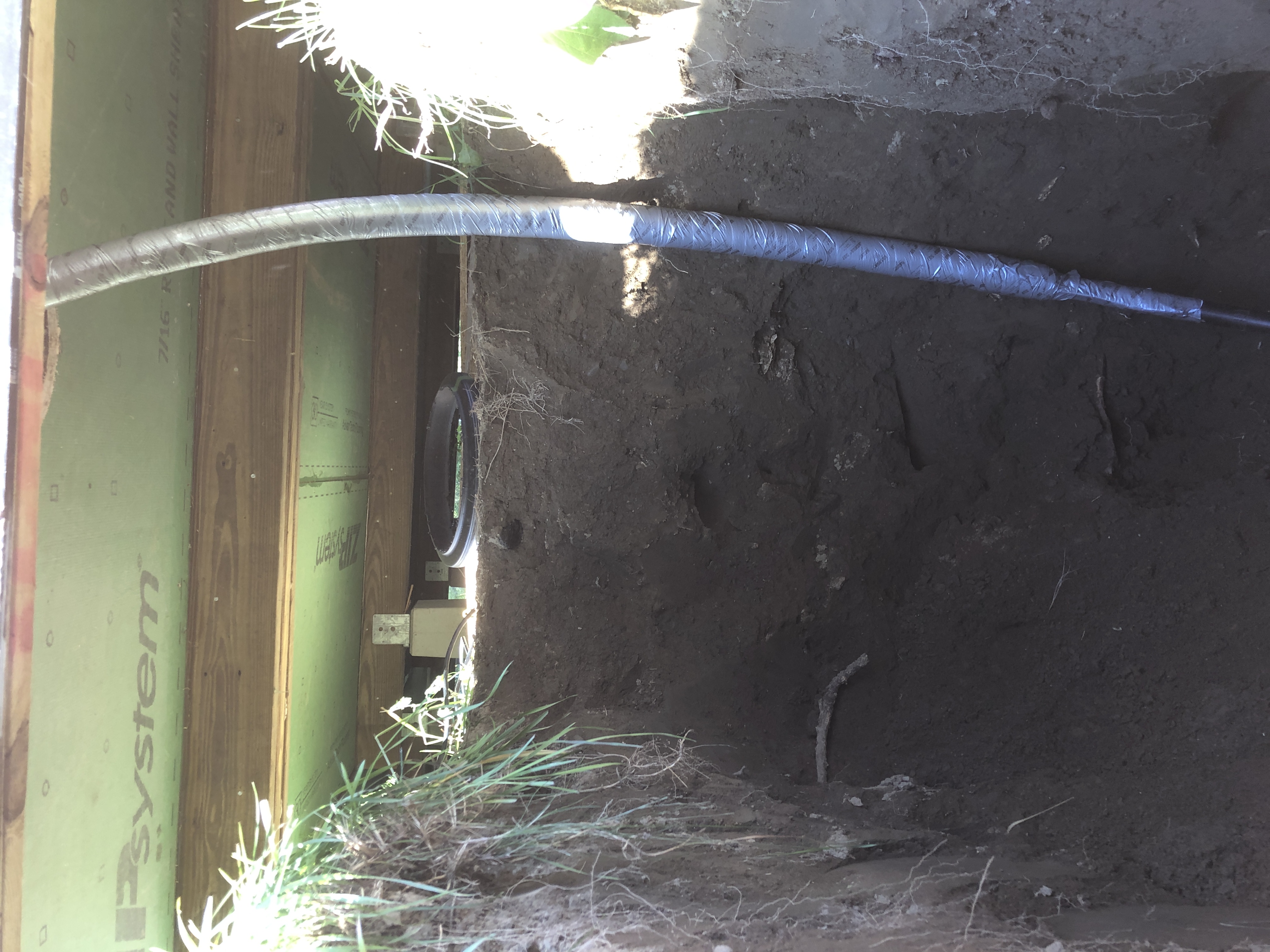
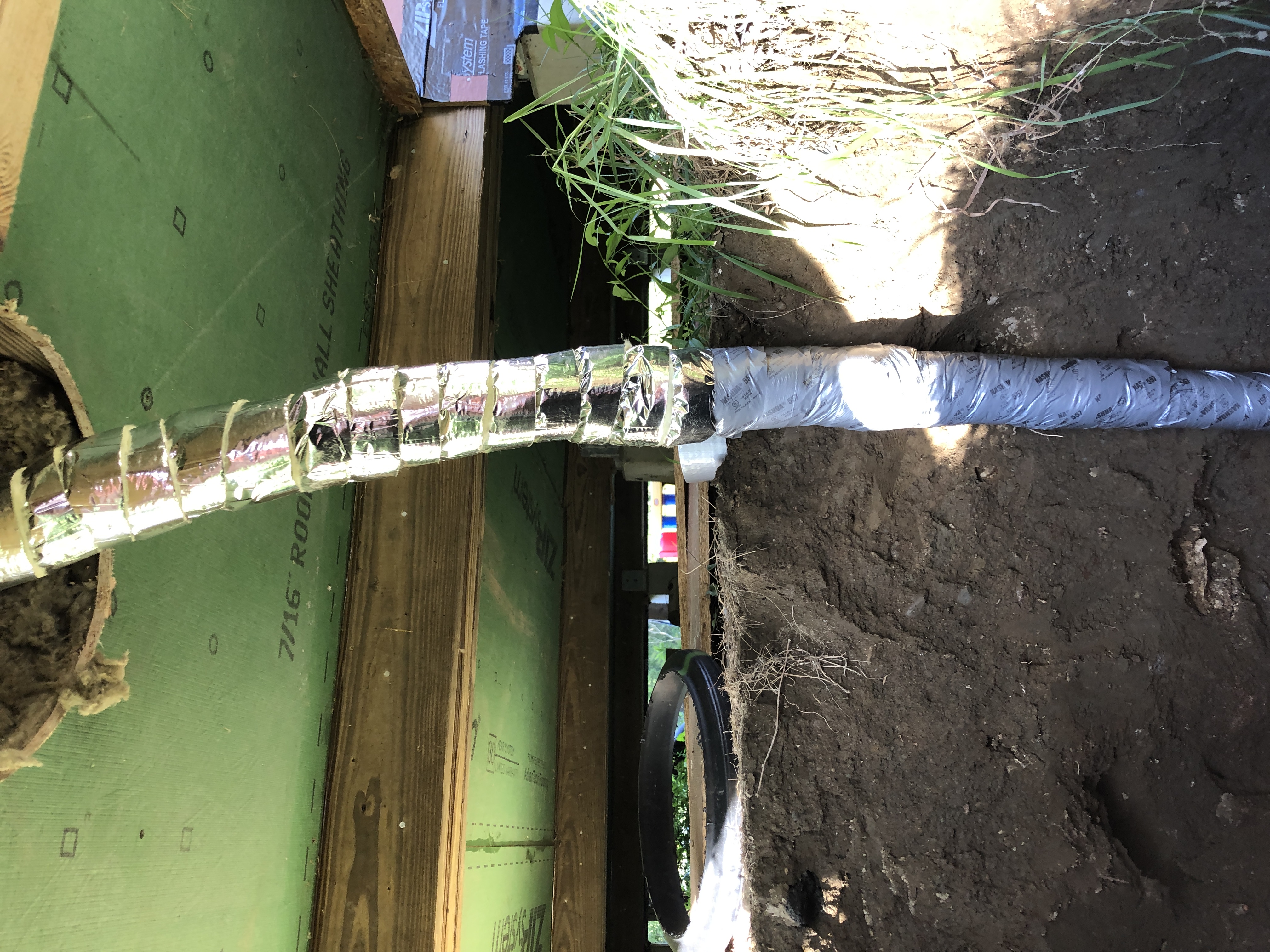
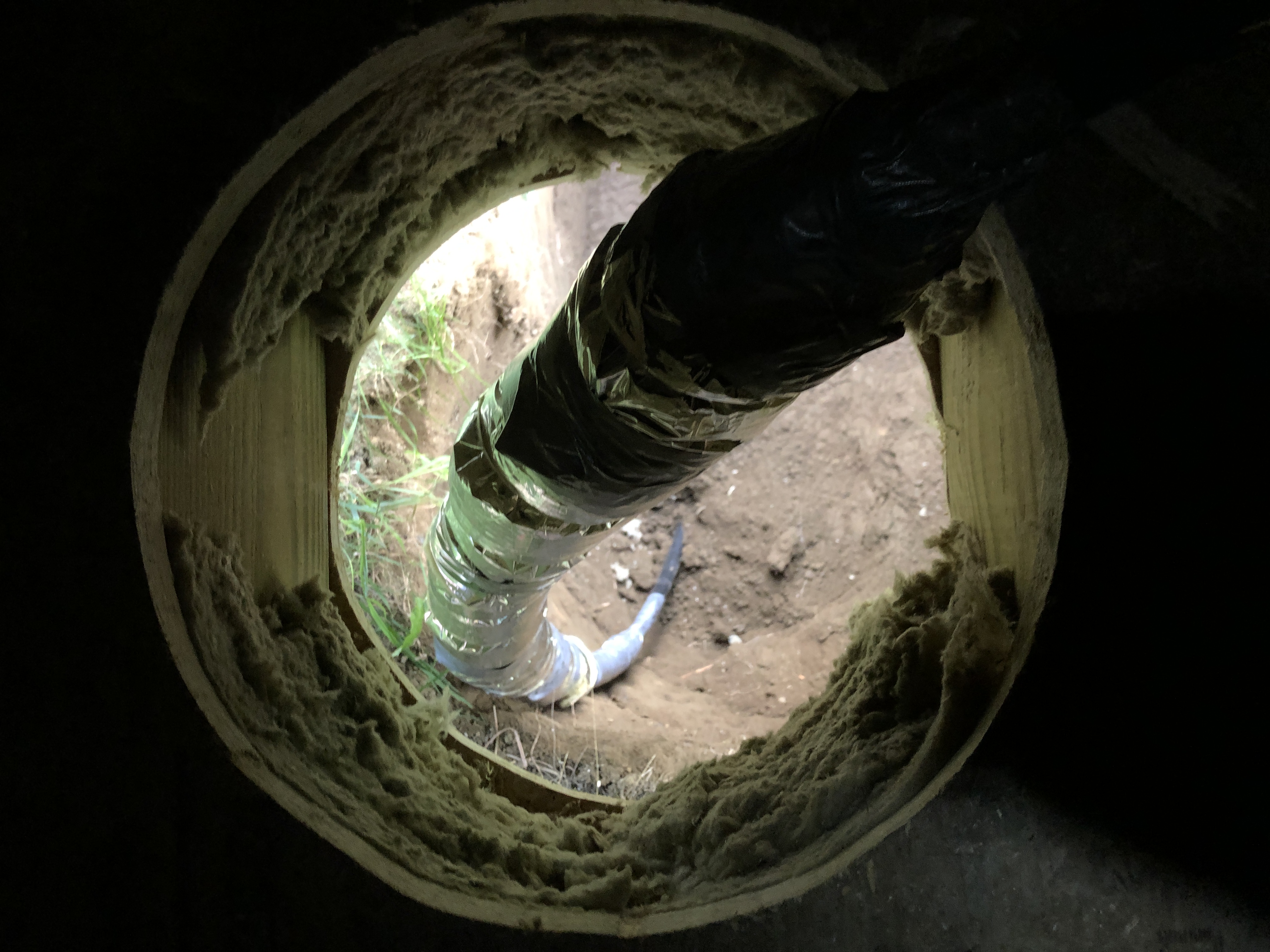
Then it’s one layer of insulation & vapor barrier after the next.

Finally, I used a culvert going 5′ in the ground to not only insulate, but provide a rigid conduit inside the house. I’ll be able to further insulate it if needs be, there is plenty of space left in it.

That’s all 🙂 we are now ready to bring water to various places in the house. It’ll be cake compared to this.

miscellaneous ben September 23, 2020

Protected: Race Track

This content is password-protected. To view it, please enter the password below.

Lego / Duplo ben September 19, 2020

Protected: When it Clicks

This content is password-protected. To view it, please enter the password below.

I.T., web development ben September 19, 2020

The Covid Bump

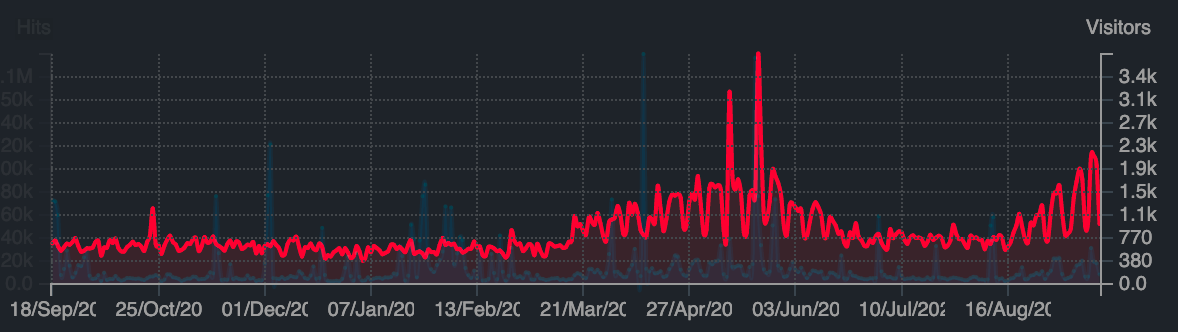
With teachers scrambling to move to online teaching last March, Mandalagaba’s traffic saw a noticeable bump in use which then died off in with the Summer break. With schools now back in session it looks like the bump is back.

I’ve kind of given up on trying to do anything big with it, there’s just so much noise out there it’s really hard to get anything more than an occasional spotlight. Which means the site is completely free of all the perverse incentives which ruin the internet these days. In other words, perfect for educators teaching to kids. I was already happy to know that about a thousand people per day enjoyed doodling with absolutely no strings attached, but it’s a whole other layer of contentment to see teachers use it for teaching. You can tell there’s love, kindness and attention in the way they address their kids. I love finding their videos online.

I often get asked what restrictions there are on the material people produce, or what my privacy policy is. I respond that I don’t have any of either, but the questions bother me for they reflect that everything online comes with strings attached these days.

aesthetics, plots ben September 17, 2020

Protected: The Four Sisters

This content is password-protected. To view it, please enter the password below.

miscellaneous ben August 26, 2020

Protected: Pride in Parenting

This content is password-protected. To view it, please enter the password below.

Posts pagination

← Previous 1 … 42 43 44 … 119 Next →

Recent Posts

  • Red Shouldered Hawk
  • Protected: 2026 Fireflies
  • Gondola PlottyBot v2
  • Corkscrew Sounds a Mystery no Longer
  • Copper

Recent Comments

  1. ben on PlottyBot
  2. Selmo B on PlottyBot
  3. santry on Gondola PlottyBot v2
  4. santry on Built Me Another
  5. ben on Built Me Another

Archives

  • June 2026
  • May 2026
  • April 2026
  • March 2026
  • February 2026
  • January 2026
  • December 2025
  • November 2025
  • October 2025
  • September 2025
  • August 2025
  • July 2025
  • June 2025
  • May 2025
  • April 2025
  • March 2025
  • February 2025
  • January 2025
  • December 2024
  • November 2024
  • October 2024
  • September 2024
  • August 2024
  • July 2024
  • June 2024
  • May 2024
  • April 2024
  • March 2024
  • February 2024
  • January 2024
  • December 2023
  • November 2023
  • October 2023
  • September 2023
  • August 2023
  • July 2023
  • June 2023
  • May 2023
  • April 2023
  • March 2023
  • January 2023
  • December 2022
  • November 2022
  • October 2022
  • September 2022
  • August 2022
  • July 2022
  • June 2022
  • May 2022
  • April 2022
  • March 2022
  • February 2022
  • January 2022
  • December 2021
  • November 2021
  • October 2021
  • September 2021
  • August 2021
  • July 2021
  • June 2021
  • May 2021
  • April 2021
  • March 2021
  • February 2021
  • January 2021
  • December 2020
  • November 2020
  • October 2020
  • September 2020
  • August 2020
  • July 2020
  • June 2020
  • May 2020
  • April 2020
  • March 2020
  • February 2020
  • January 2020
  • December 2019
  • November 2019
  • October 2019
  • September 2019
  • August 2019
  • July 2019
  • June 2019
  • May 2019
  • April 2019
  • March 2019
  • February 2019
  • January 2019
  • December 2018
  • November 2018
  • October 2018
  • September 2018
  • August 2018
  • July 2018
  • June 2018
  • May 2018
  • April 2018
  • March 2018
  • February 2018
  • January 2018
  • December 2017
  • November 2017
  • October 2017
  • September 2017
  • August 2017
  • July 2017
  • June 2017
  • May 2017
  • April 2017
  • March 2017
  • February 2017
  • January 2017
  • December 2016
  • November 2016
  • October 2016
  • September 2016
  • August 2016
  • July 2016
  • June 2016
  • May 2016
  • April 2016
  • March 2016
  • February 2016
  • January 2016
  • December 2015
  • November 2015
  • October 2015
  • September 2015
  • August 2015
  • July 2015
  • June 2015
  • May 2015
  • April 2015
  • March 2015
  • February 2015
  • January 2015
  • December 2014
  • November 2014
  • October 2014
  • September 2014
  • August 2014
  • July 2014
  • June 2014
  • May 2014
  • April 2014
  • March 2014
  • February 2014
  • January 2014
  • December 2013
  • November 2013
  • October 2013
  • September 2013
  • August 2013
  • July 2013
  • June 2013
  • May 2013
  • April 2013
  • March 2013
  • February 2013
  • January 2013
  • December 2012
  • November 2012
  • October 2012
  • September 2012
  • August 2012
  • July 2012
  • June 2012
  • May 2012
  • April 2012
  • March 2012
  • February 2012
  • December 2011
  • November 2011
  • October 2011
  • September 2011
  • August 2011
  • July 2011
  • May 2011
  • April 2011
  • February 2011
  • January 2011
  • December 2010
  • November 2010
  • October 2010
  • September 2010
  • August 2010
  • July 2010
  • March 2010
  • December 2009
  • October 2009
  • September 2009
  • August 2009
  • June 2009
  • May 2009

Categories

  • 3D modeling / printing
  • aesthetics
  • agriculture
  • AI
  • all out geekery
  • apiculture
  • apple
  • Books
  • building
  • canning
  • crochet
  • electronics
  • foraging
  • homestead automation
  • hunting
  • I.T.
  • Lego / Duplo
  • life in the U.S.
  • maniacal paranoia
  • maple syrup
  • miscellaneous
  • nature encounters
  • old vinyls
  • organs
  • plots
  • plotters
  • poultry
  • preserving
  • self sustainability
  • solar power
  • specular holography
  • trip to a new life
  • unix / linux
  • video games
  • water
  • web development
  • web games
  • wood
Theme by Bloompixel. Proudly Powered by WordPress