Protected: Trogdor Reborn
Figuring out the Process
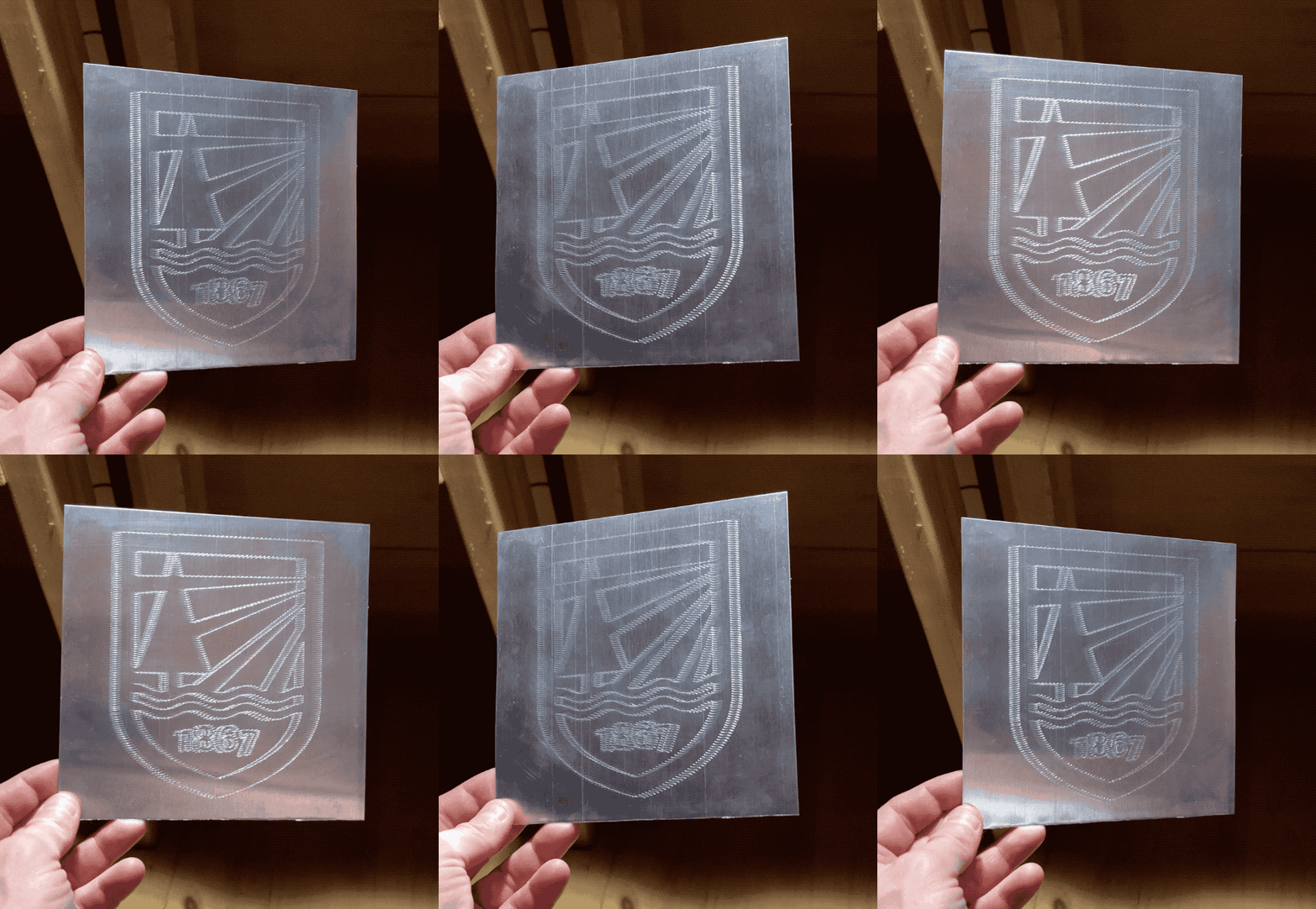
A few iterations & trips to the hardware store and they’re starting to look decent.
Protected: Hard Cider 2025
Hallelujah
It has happened, we have a normal shower inside the house, the hot water of which happens through no intervention of our own.
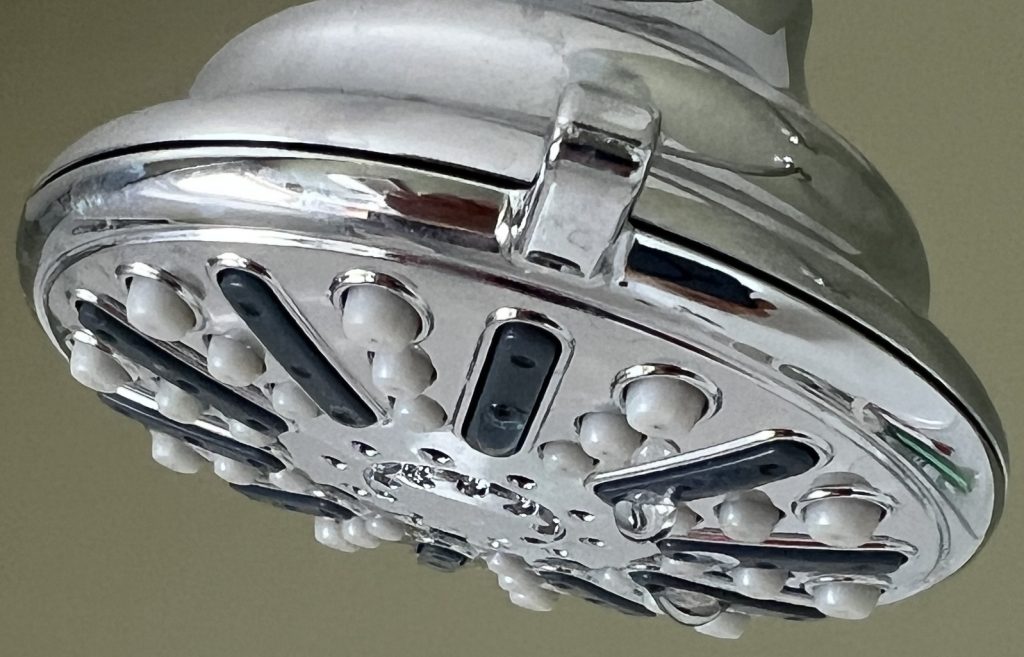
In reality, it’s because of our recent grid tie in that we have enough electricity to keep a hot water heater going. The showers are nicer mostly because they no longer require logistics. I moved buckets of hot water from the stove for years. Now we can just hop in and have a shower in the Winter months. Nothing beats the outside shower the other half of the year. There’s still a lot of things we want to do to be more self sufficient. Playing with an electric hot water heater is interesting, I get to see how much power it draws, and how much heat is preserved via insulation. This will instruct future improvements. For now we’re just enjoying easier showers thanks to the grid.
Xmas Sorcery
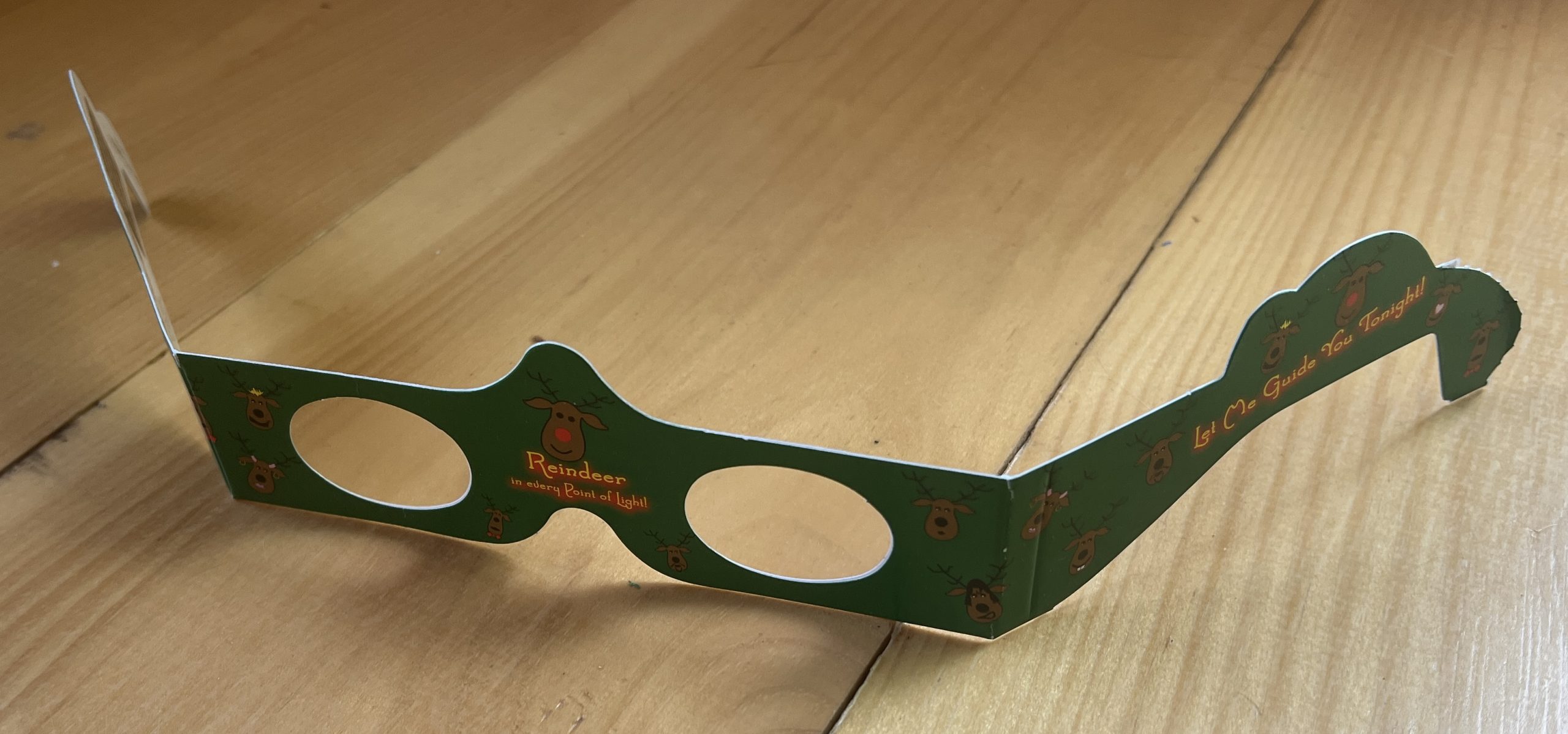
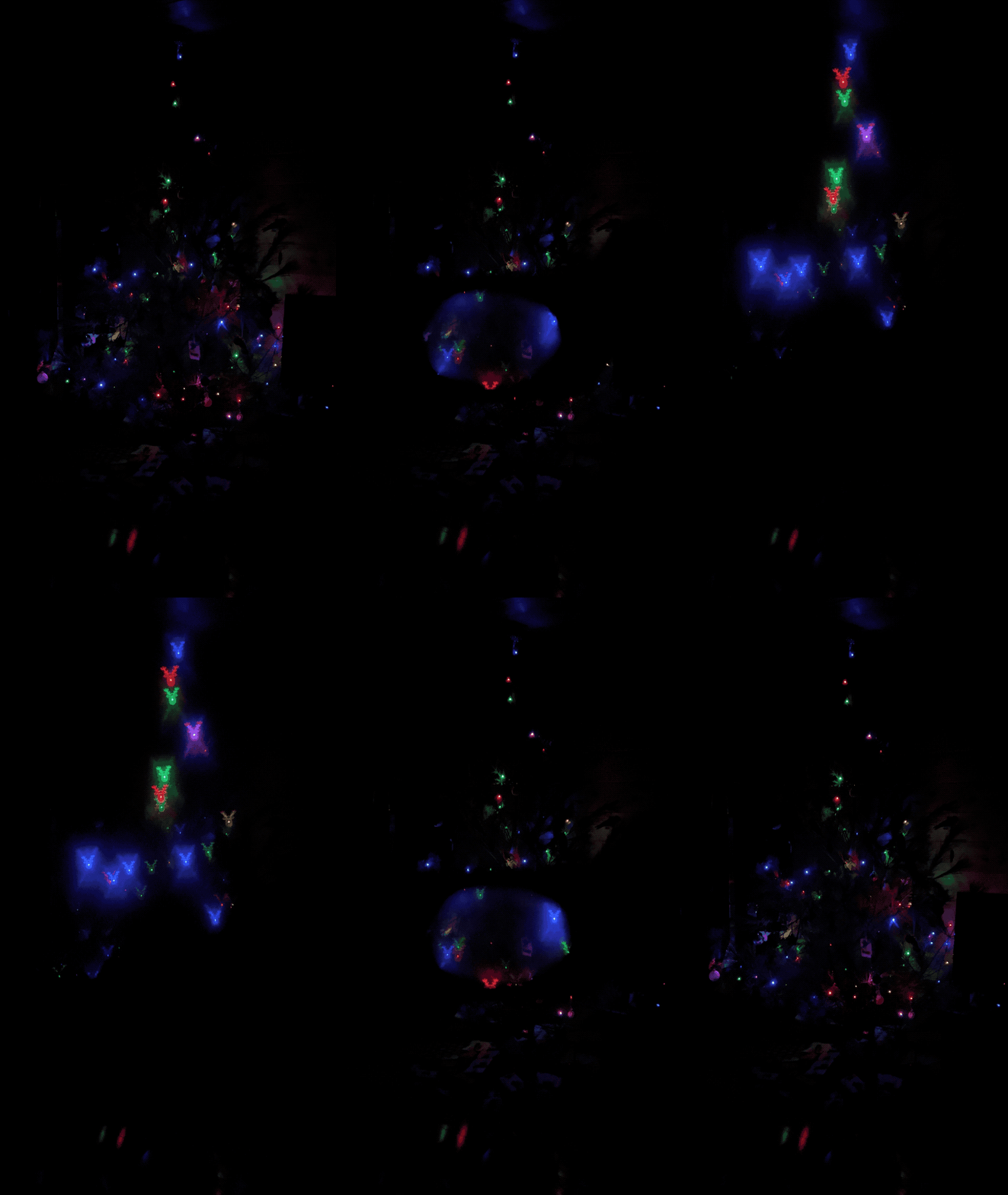
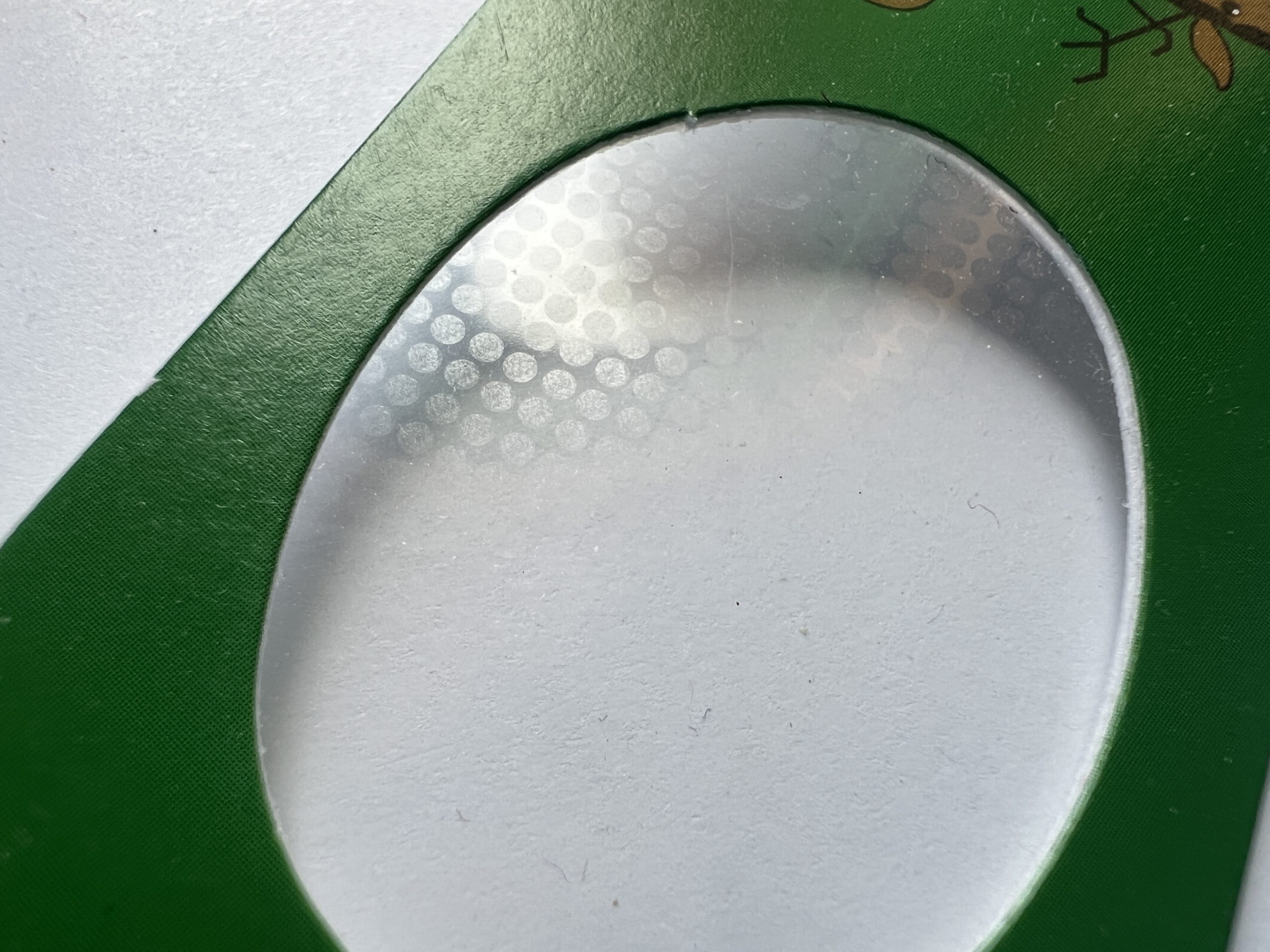
I wish I had a microscope to see how this is achieved, zooming in super close doesn’t reveal any particular reindeer artifact.
Protected: Snow Fort Season
Not Spectacular but Definitely Specular
I watched Steve Mould’s video of Specular Holograms a while back, and it wasn’t until a cool student wanted to borrow my tabletop plotter to try it that I realized it was within reach. The plotter approach didn’t work, it really wasn’t designed to take the friction of a carbide tip etching surfaces. But its software stack is easily portable to anything with 2 stepper motors and a “tip” based action. So I thought it’d be a cool Christmas project to turn an old Creality 3D printer into something capable of etching specular designs.
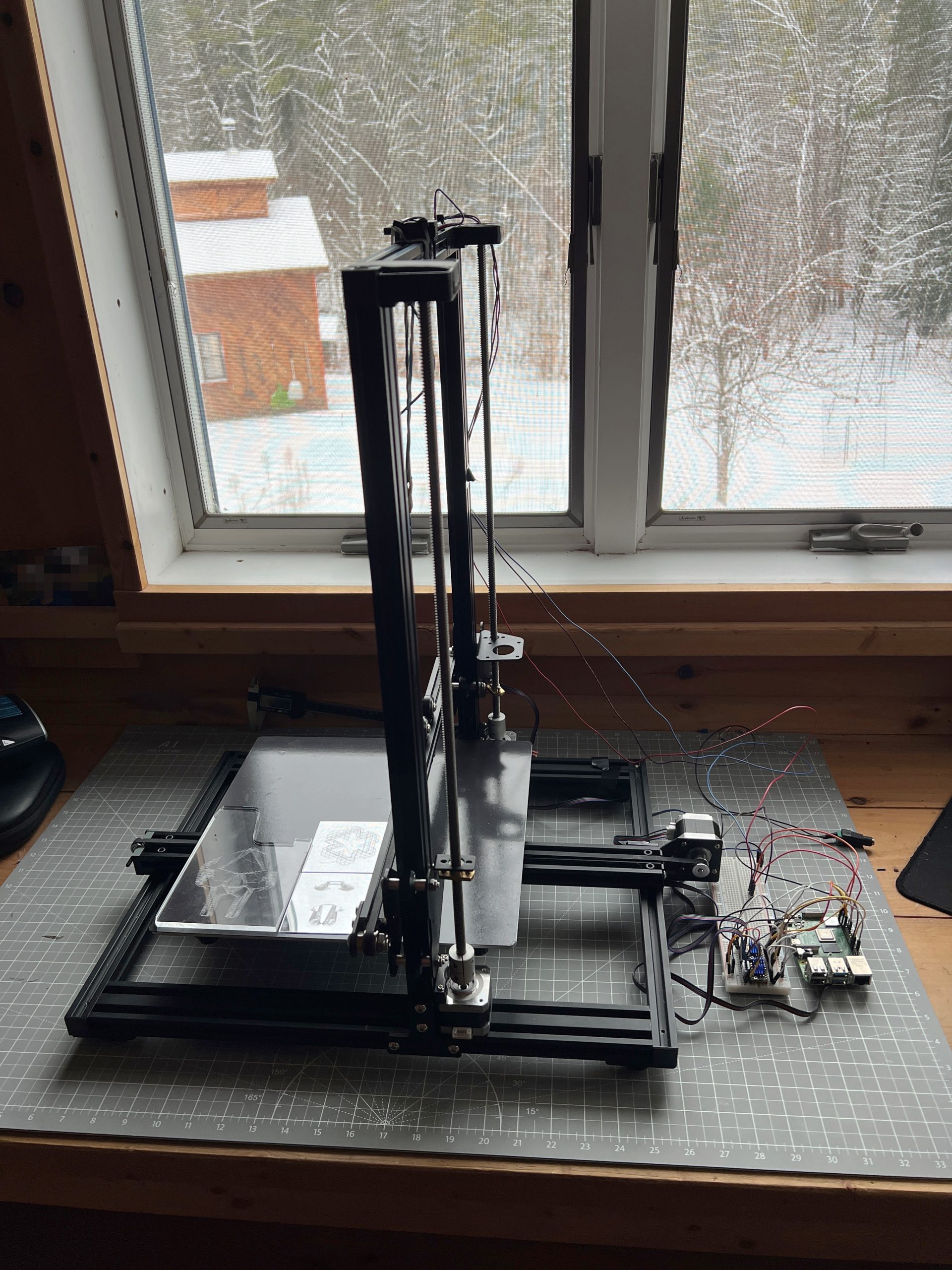
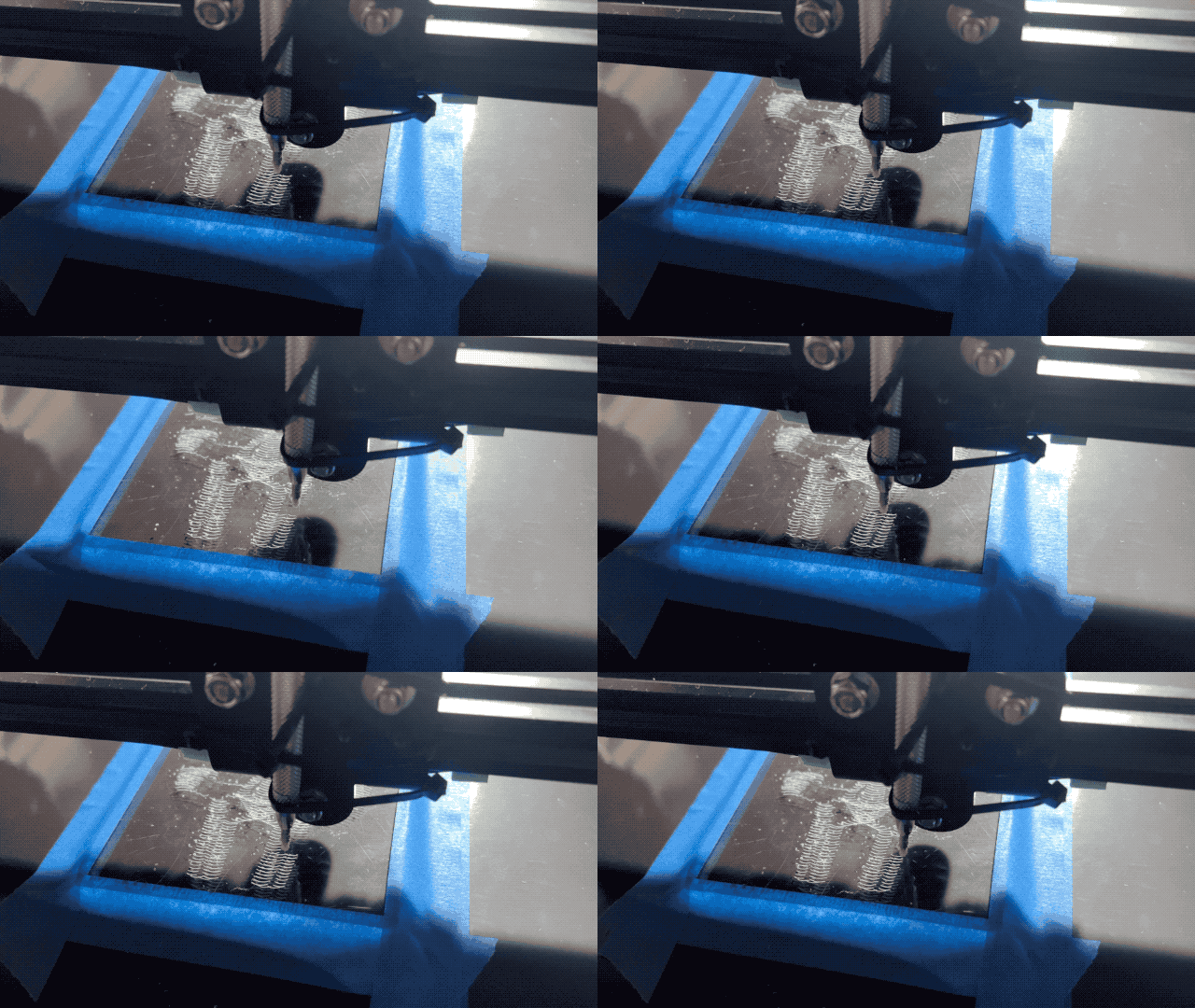
And well, the results are mitigated so far, but I’m getting somewhere with a moving glint effect.
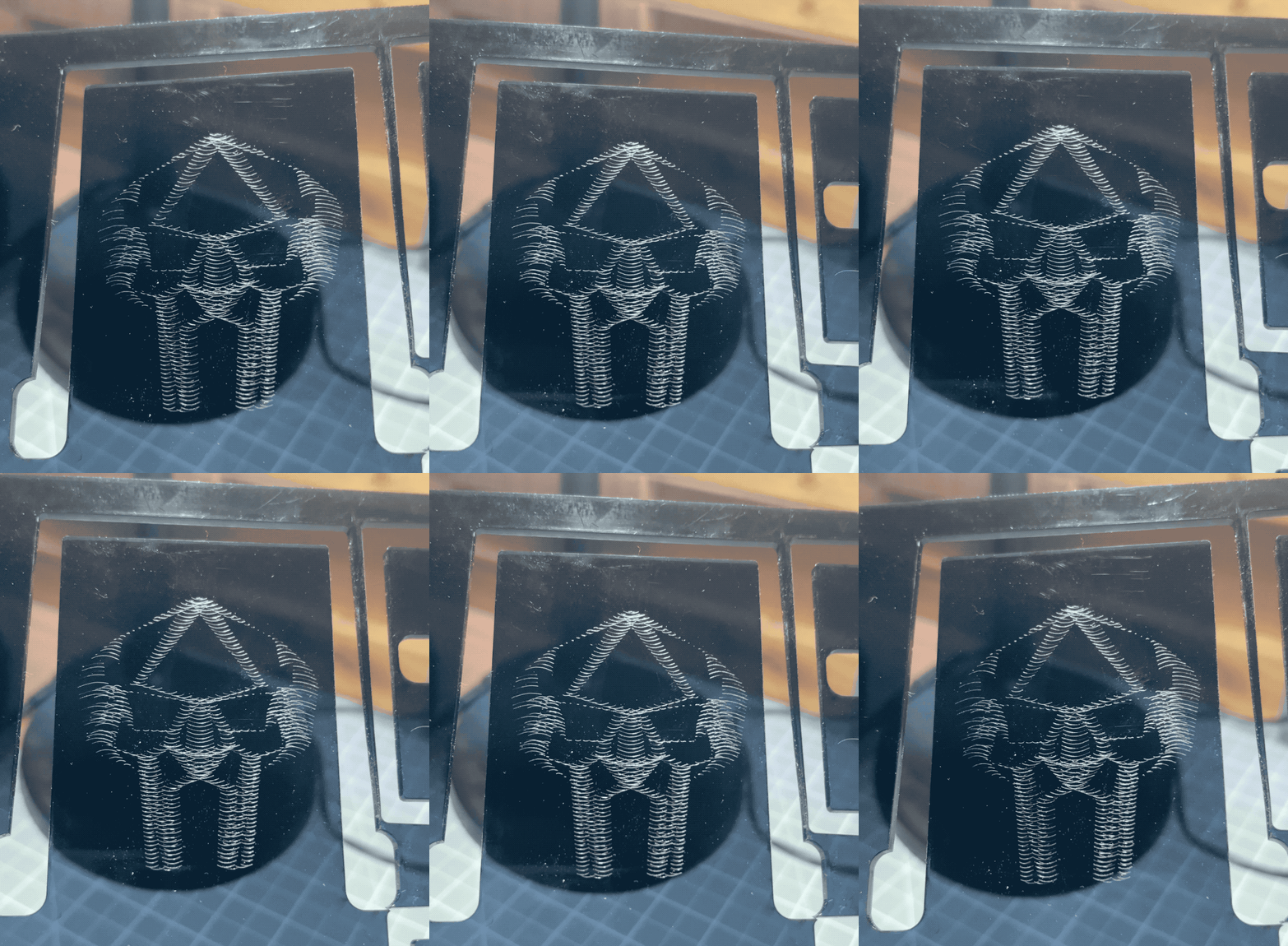
I need to tune the machine to barely touch the medium, and figure out model creation. Moving a tip is easy these days, unsurprisingly though there are a lot more intricacies to uncover to get good results.
Dragon of UV Light
I tried for years, it wasn’t meant for plotters so I had to figure out a way to make it work. Lara‘s usual incredible work. UV ink is definitely the medium for it.

That’s a Wrap
Robotics 2025 concluded with 2 kids having built the small Etch-a-Sketch plotter after 5 sessions, and an extra one to just consolidate and draw. There isn’t much to say other than it went like a charm. I’ve added onto the Inherently Programmable Pi so they could have a basic HTML interface to their machine, I have yet to publish the update. This solution I feel is a bit of a game changer for engaging with robotics. At best it lowers the bar significantly for uninitiated learners; at worst it’s just darn convenient to get to work on your Pi project anywhere. A few years ago I’d promote it on a few online communities, these days I just don’t have the will to do much of anything online, but I really should.

