Copper

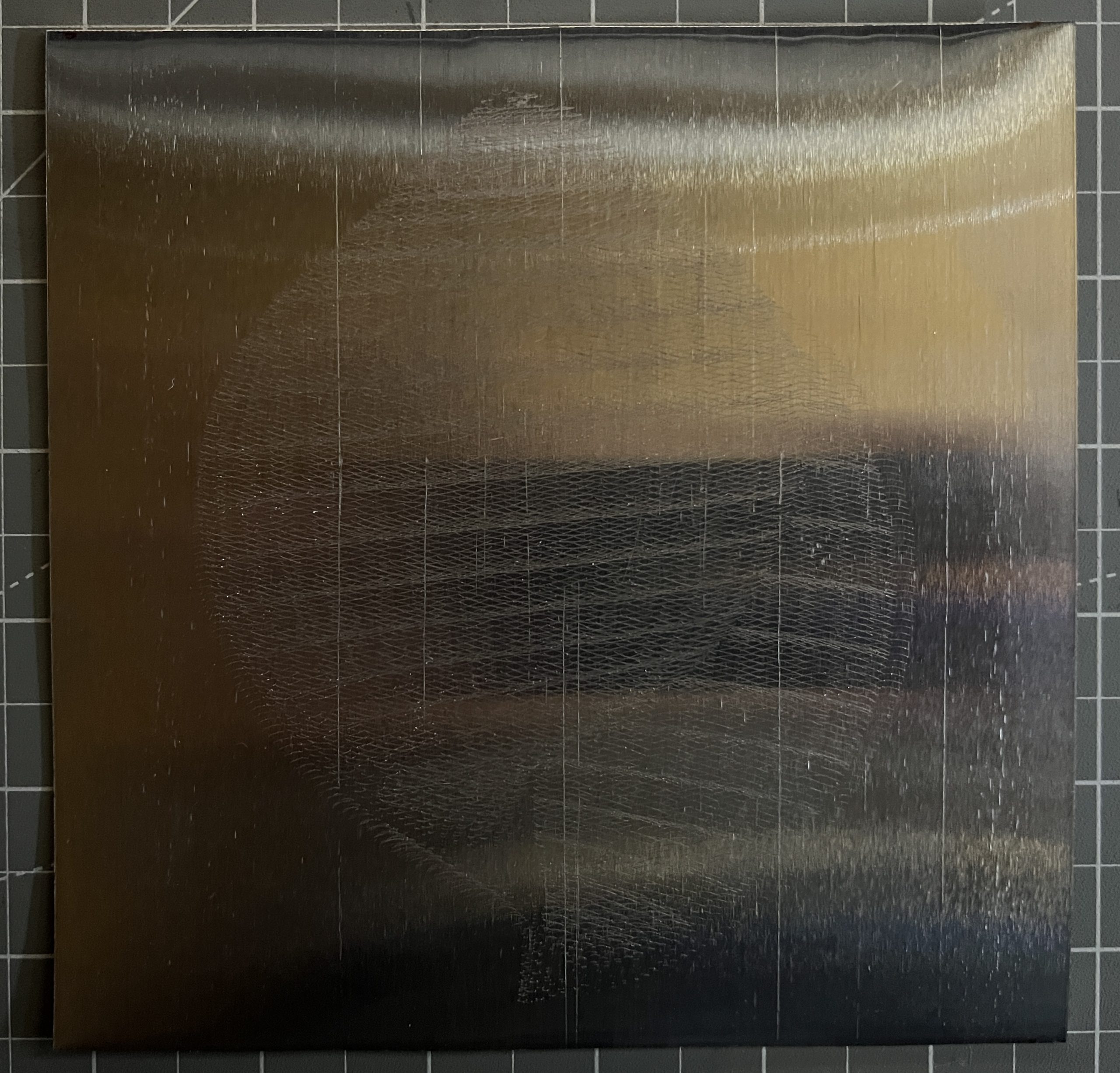
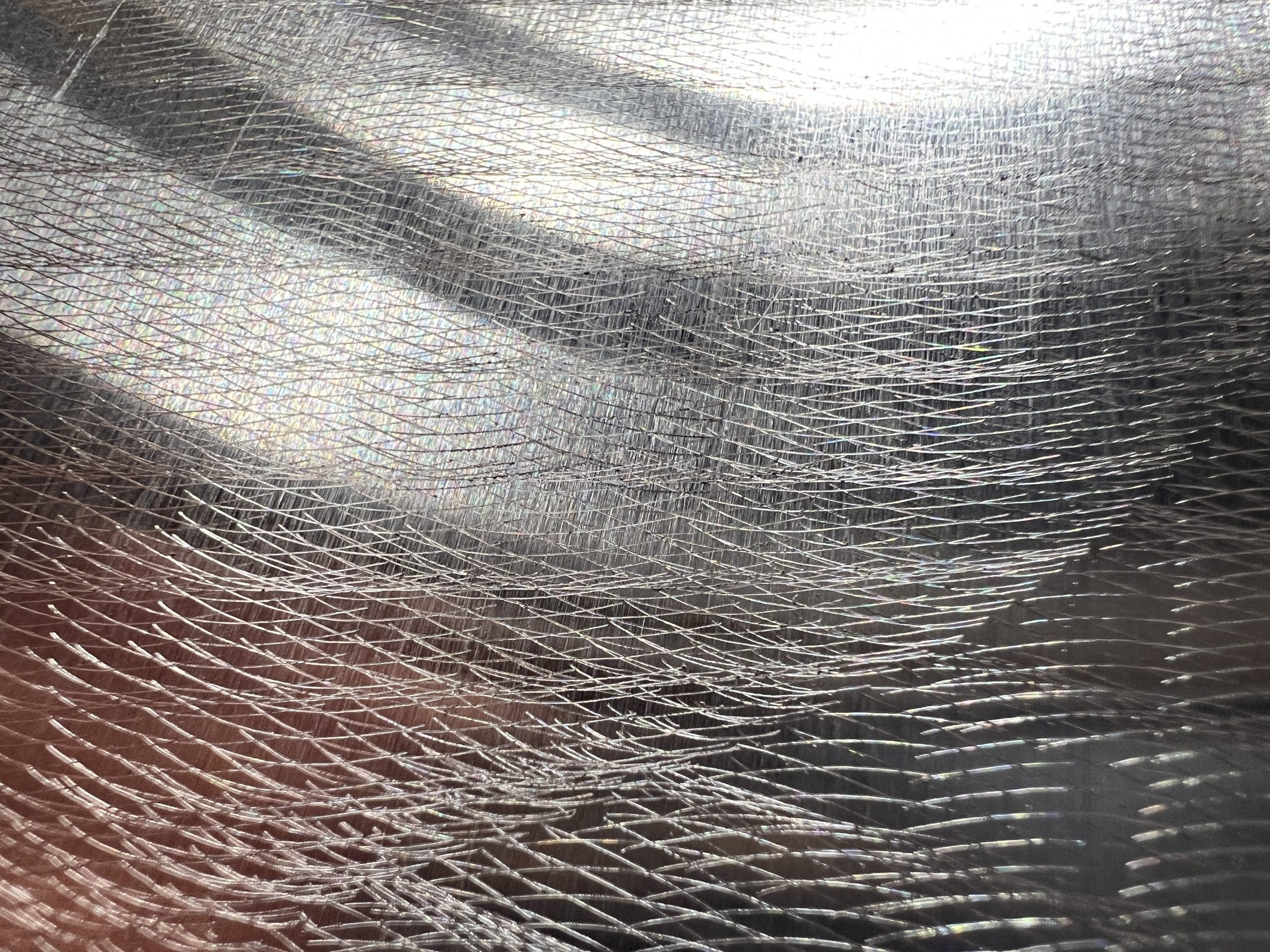
Robin found some copper flashing at the hardware store. Hell yeah I’ll etch it.
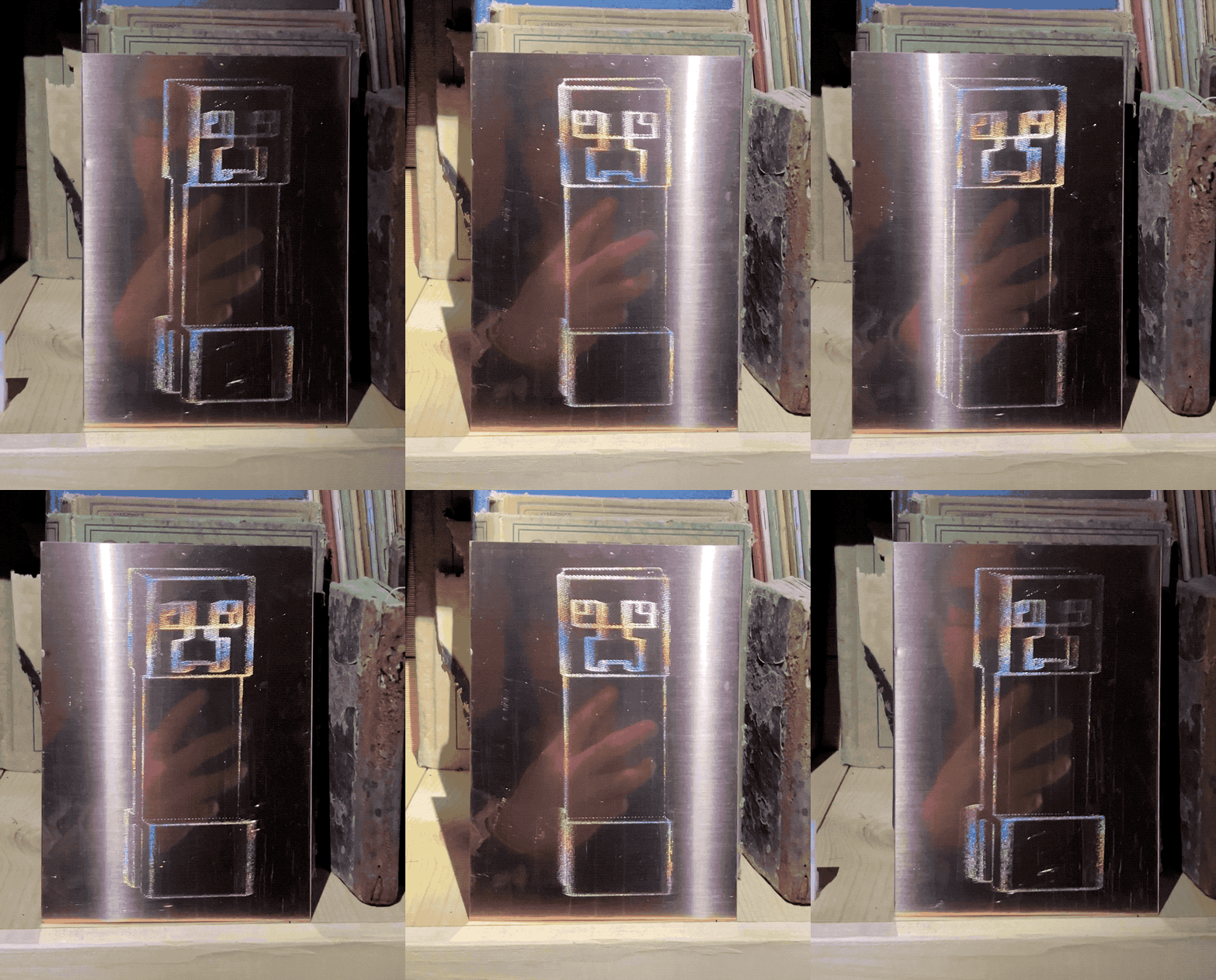
The glint is good, but it comes with a traveling vertical line that reflects the light source. I need to see if I can treat the surface to avoid that before etching. By happenstance I found that a rectilinear light source (office neon) perpendicular to the etching works better than a single light source pointed at it. It covers more vertical angles of viewing while not diffusing the horizontal effect. Running it parallel, much like a diffuse light source, ruins everything. I should draw how this stuff works a bit.
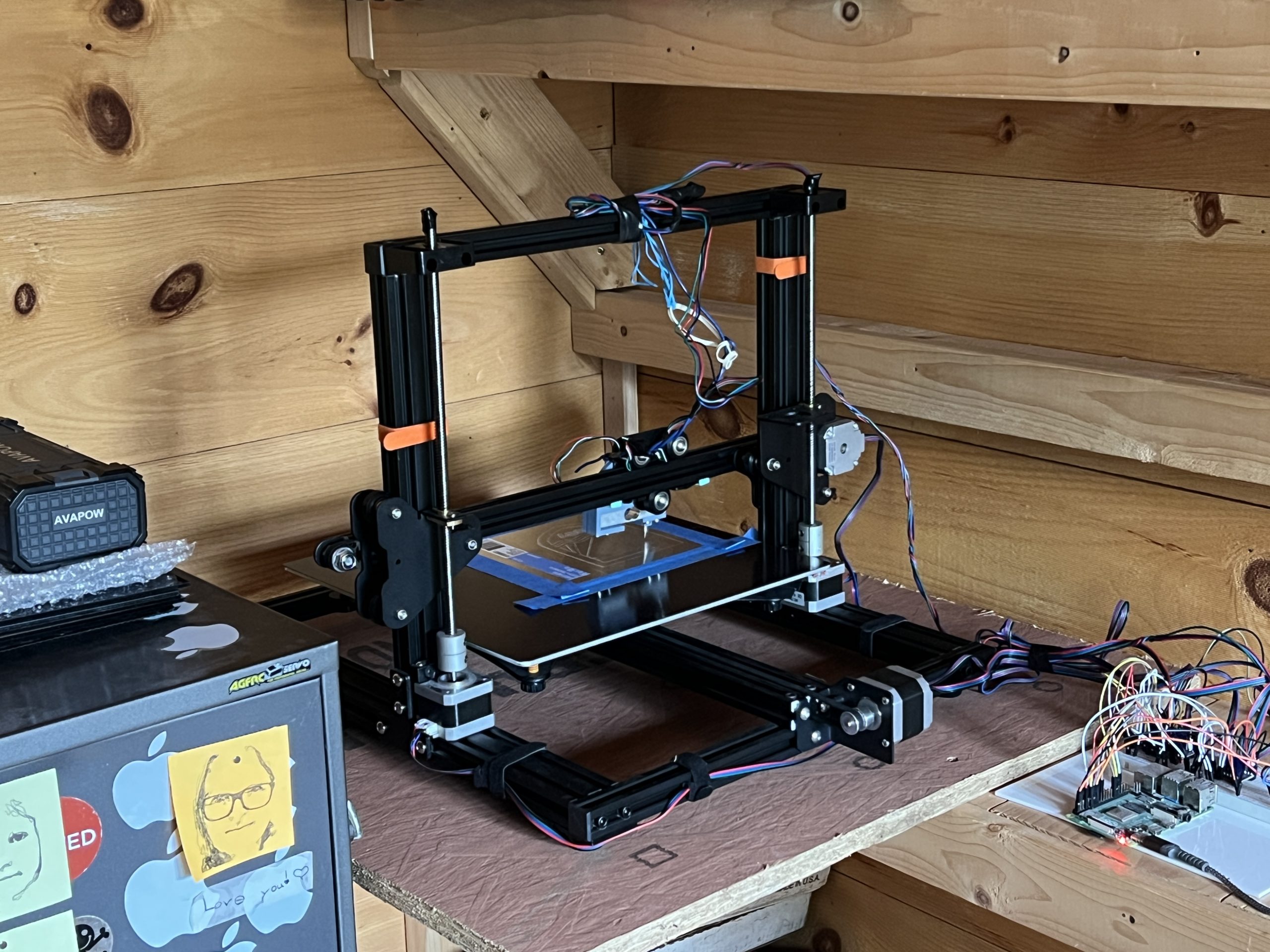
Shorty Etcher

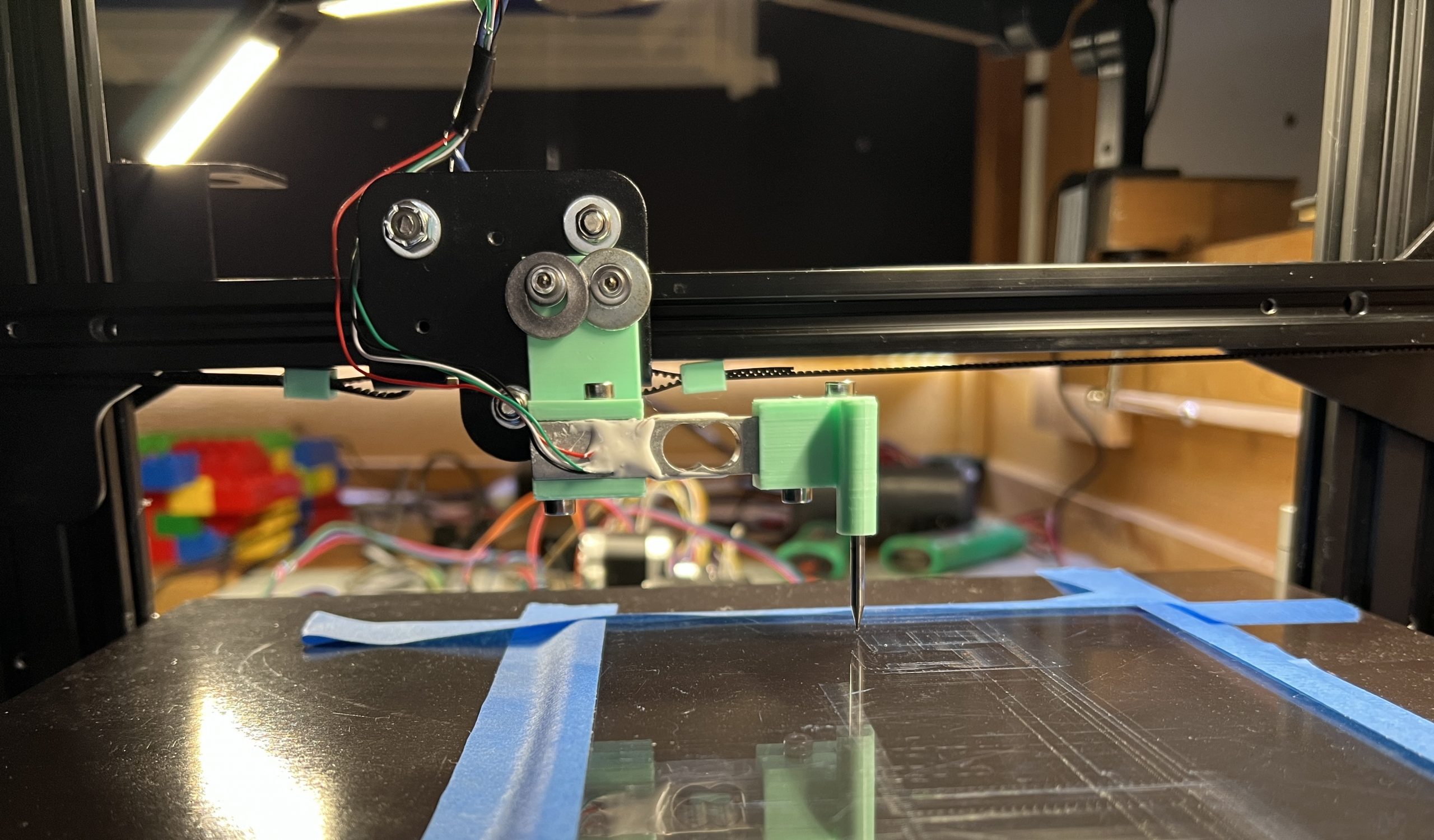
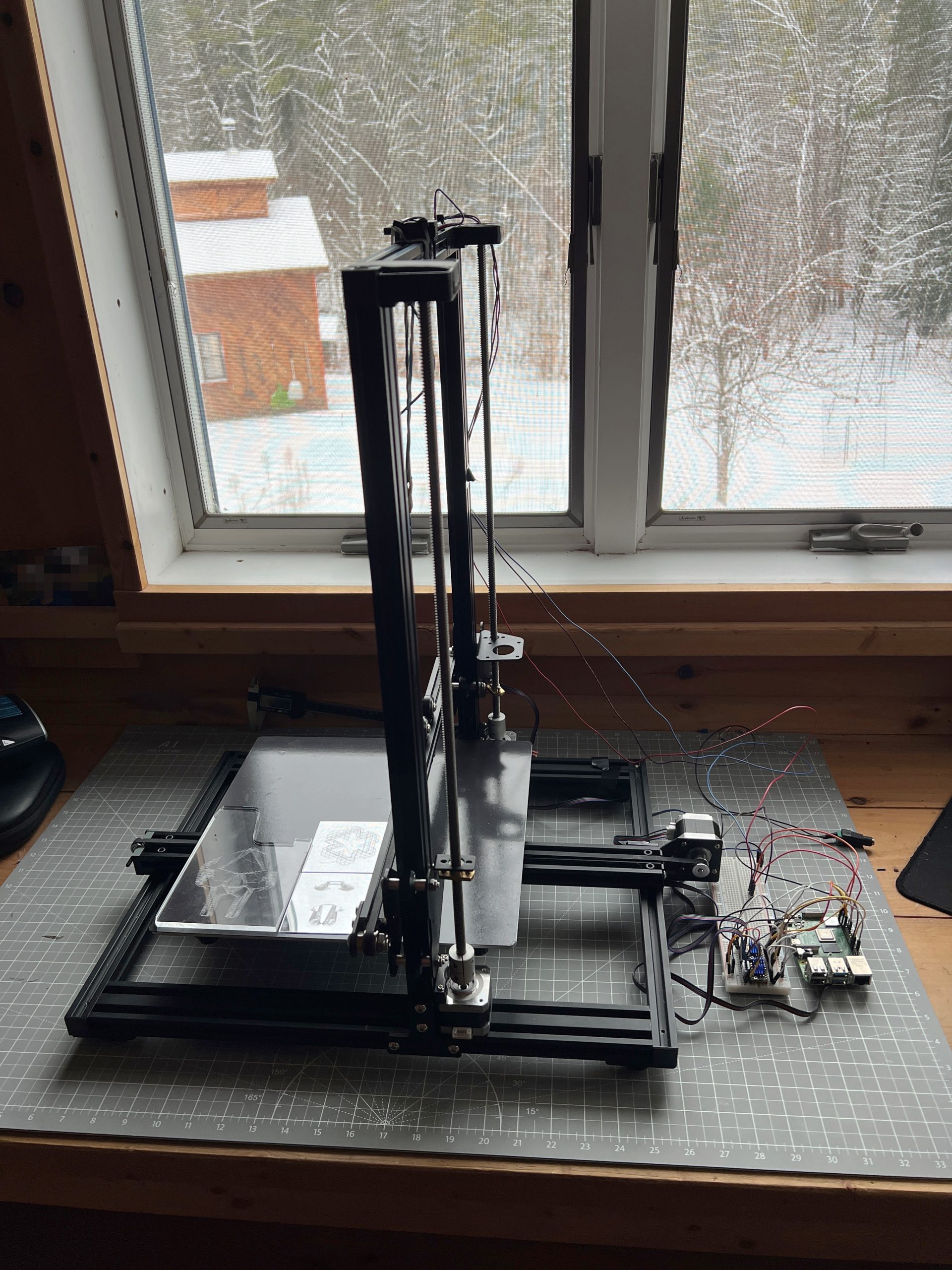
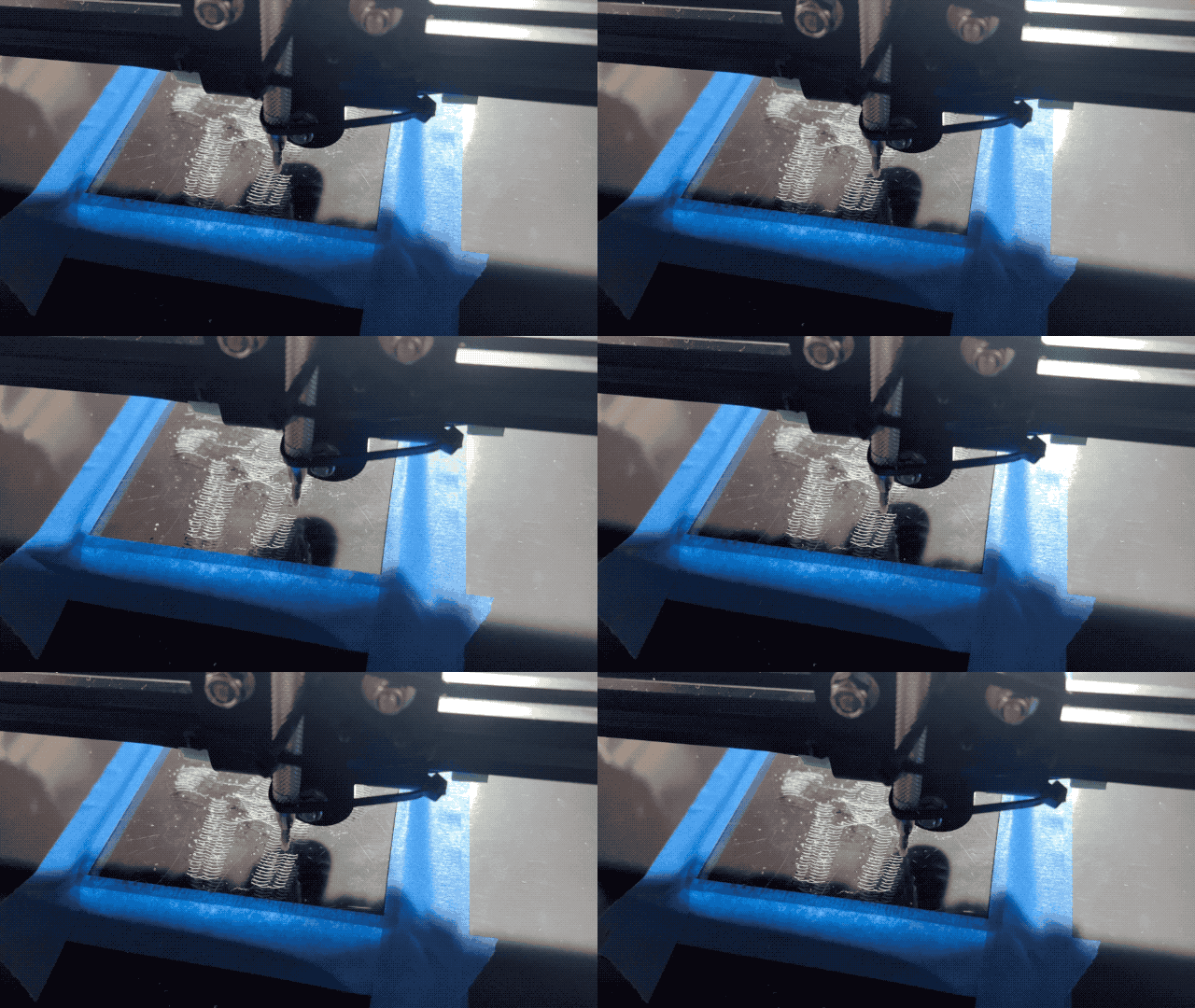
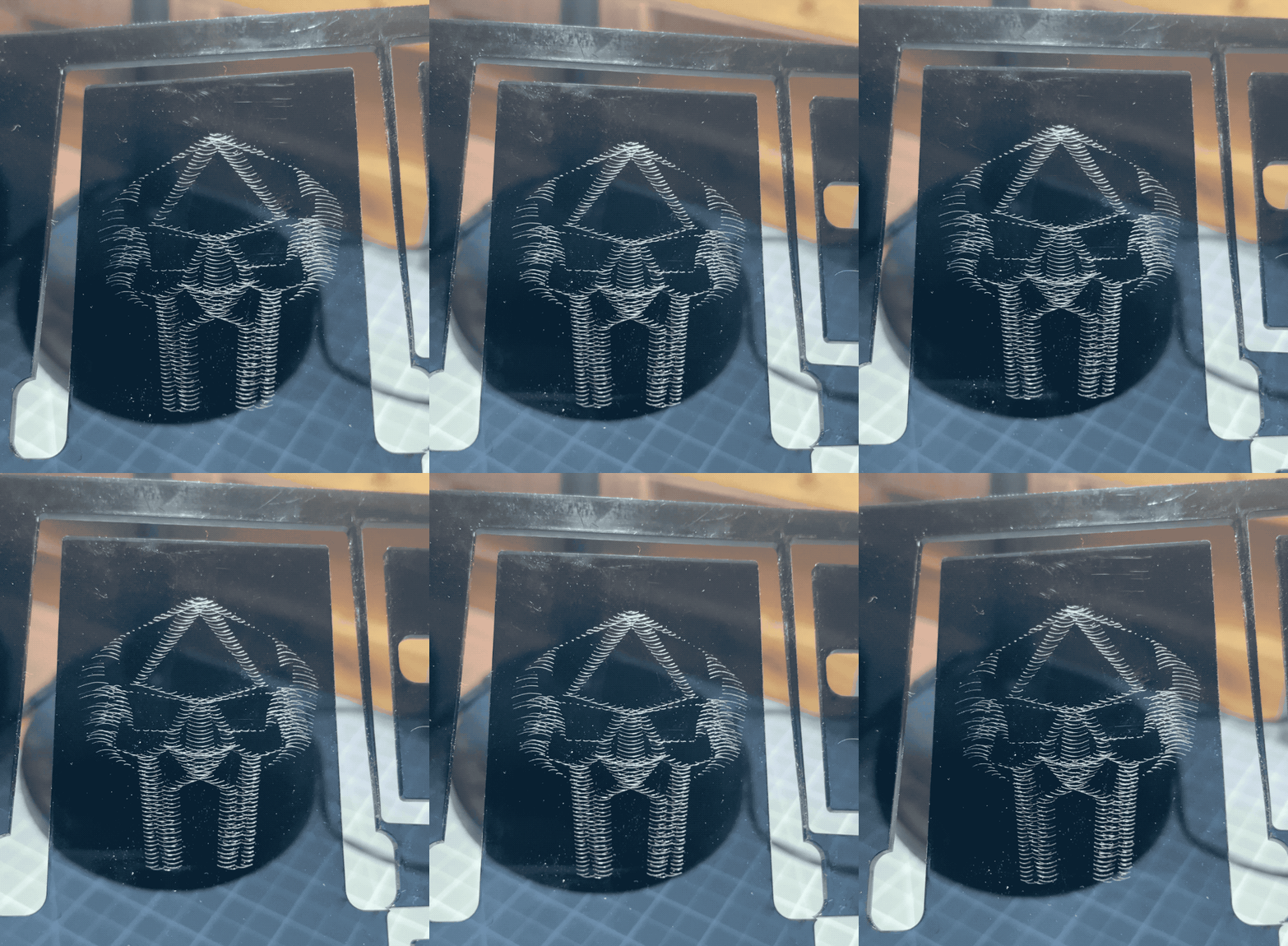
My office is a little small and barely able to contain all the machines I’ve accumulated. The 3D printer I turned into an etcher for specular holograms was obnoxiously tall, and really doesn’t need much vertical range. I chopped the aluminum extrusions so it would fit in an unused corner of the room. I’ve been doing occasional tests here and there, nothing worth showing yet. Results are very hit and miss, and finding good subjects is hard too.

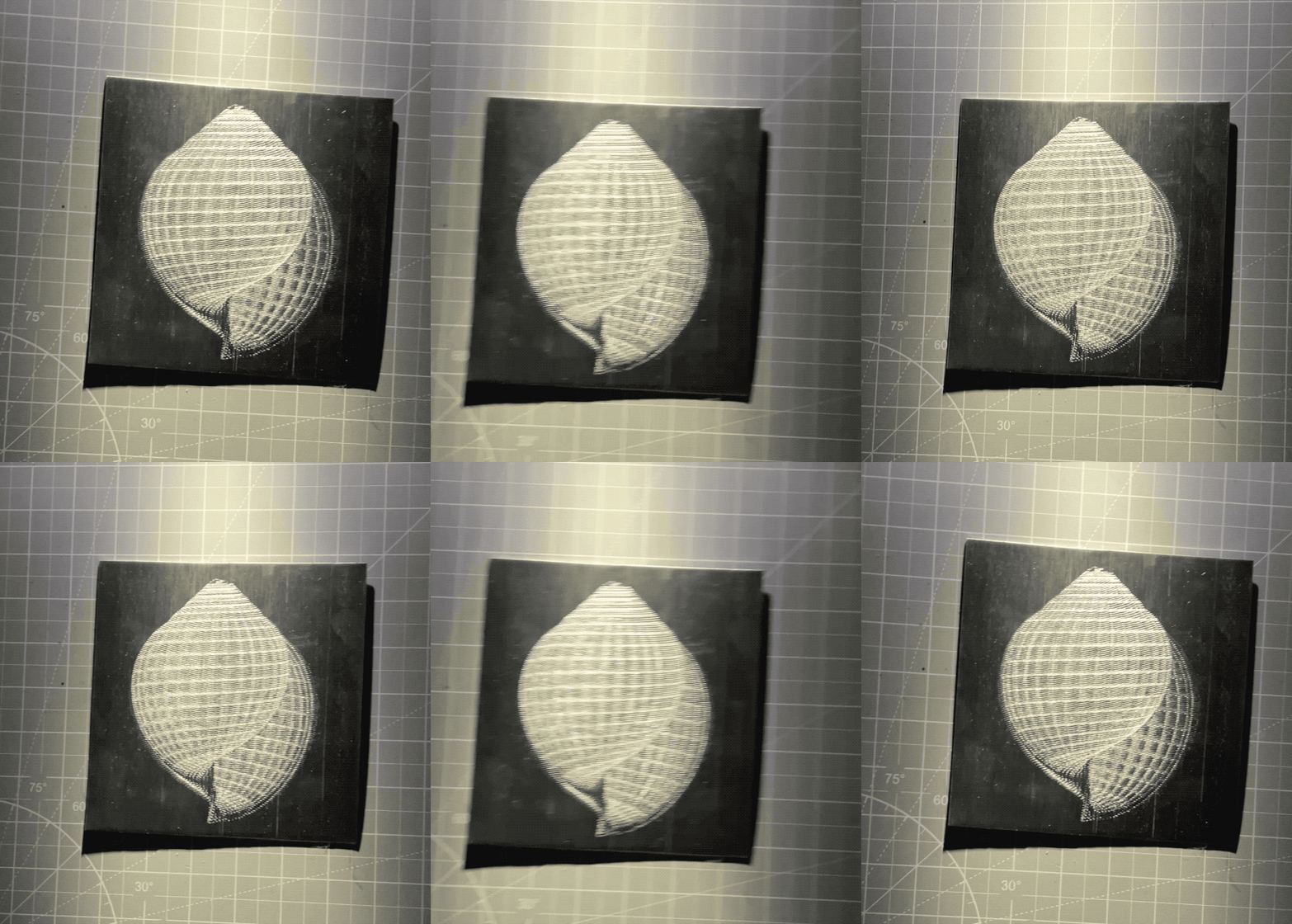
She Sells Specular Seashells

lots of trials, lots of refinements, 4 days on the etcher bed. The load cell addition makes for the most precise etching.

Without light

with light

It feels different in person. What’s funny with this specular stuff, is how enthralled I was with it when I didn’t understand how it works. But now I kind of don’t see what the big deal is. I have to remind myself it’s really cool to keep forging ahead.

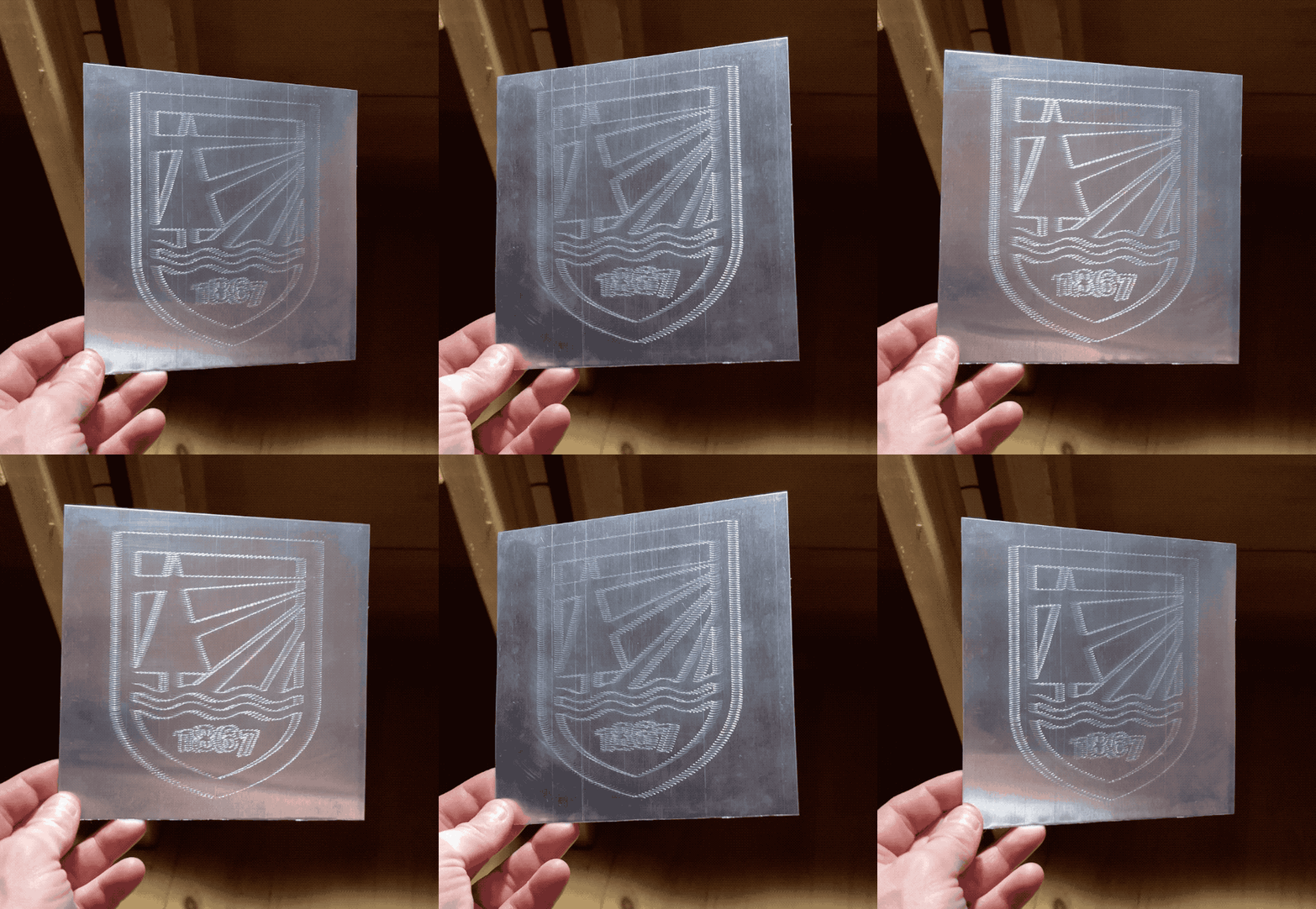
Since I can control pressure, I’m trying all sort of materials and pressures. I’m literally throwing under the tip any garbage that looks like it could yield a glint, and getting good surprises. I’m of course trying the classics like acrylic and aluminum with various pressures, again to find the best parameters.