100 Mbps

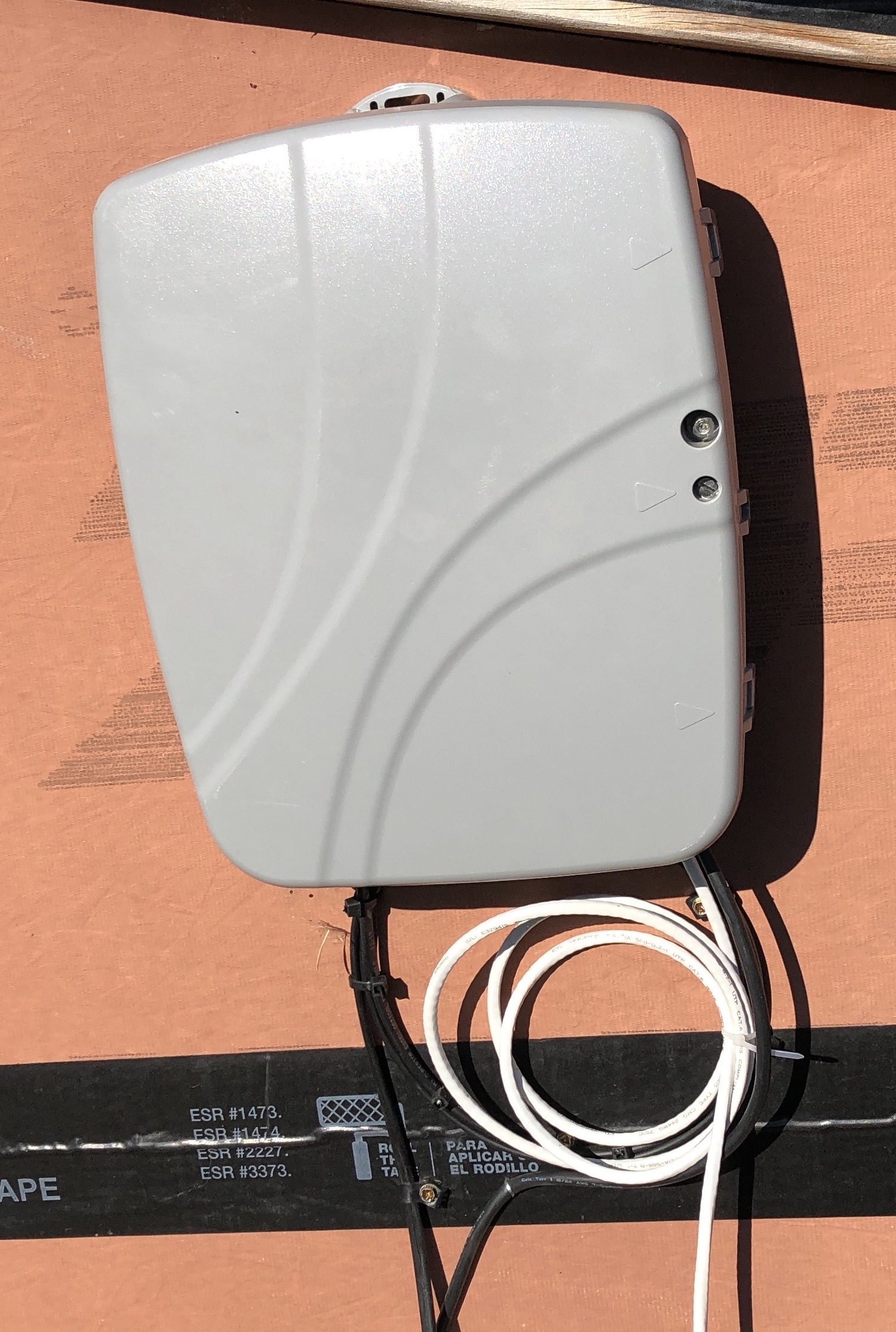
We just took a giant connectivity leap moving to fiber.

DSL was pretty ok really, but the service had other issues which made the lower bandwidth harder to bear. Hosting on the solar powered Pi is finally a very viable option with a symmetric uplink which makes the incredible assumption that households may be more than entertainment gobbling cattle. And so I no longer cache large assets on AWS. And I will most likely repatriate Mandalagaba and other things which found their way to the cloud because of bandwidth needs.

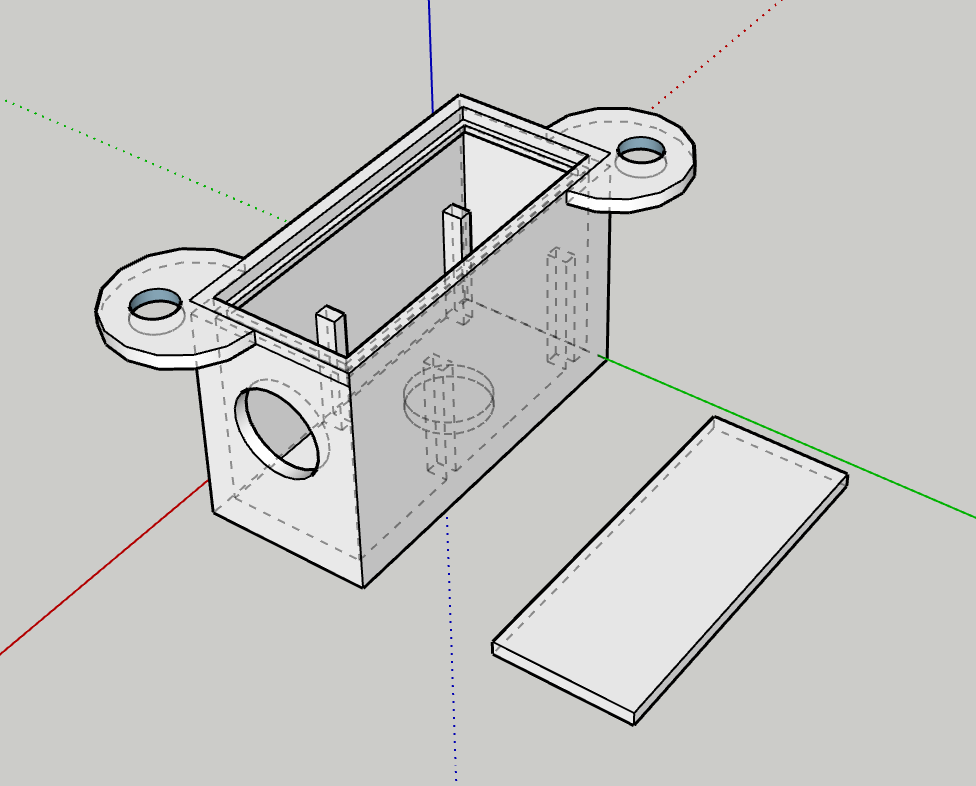
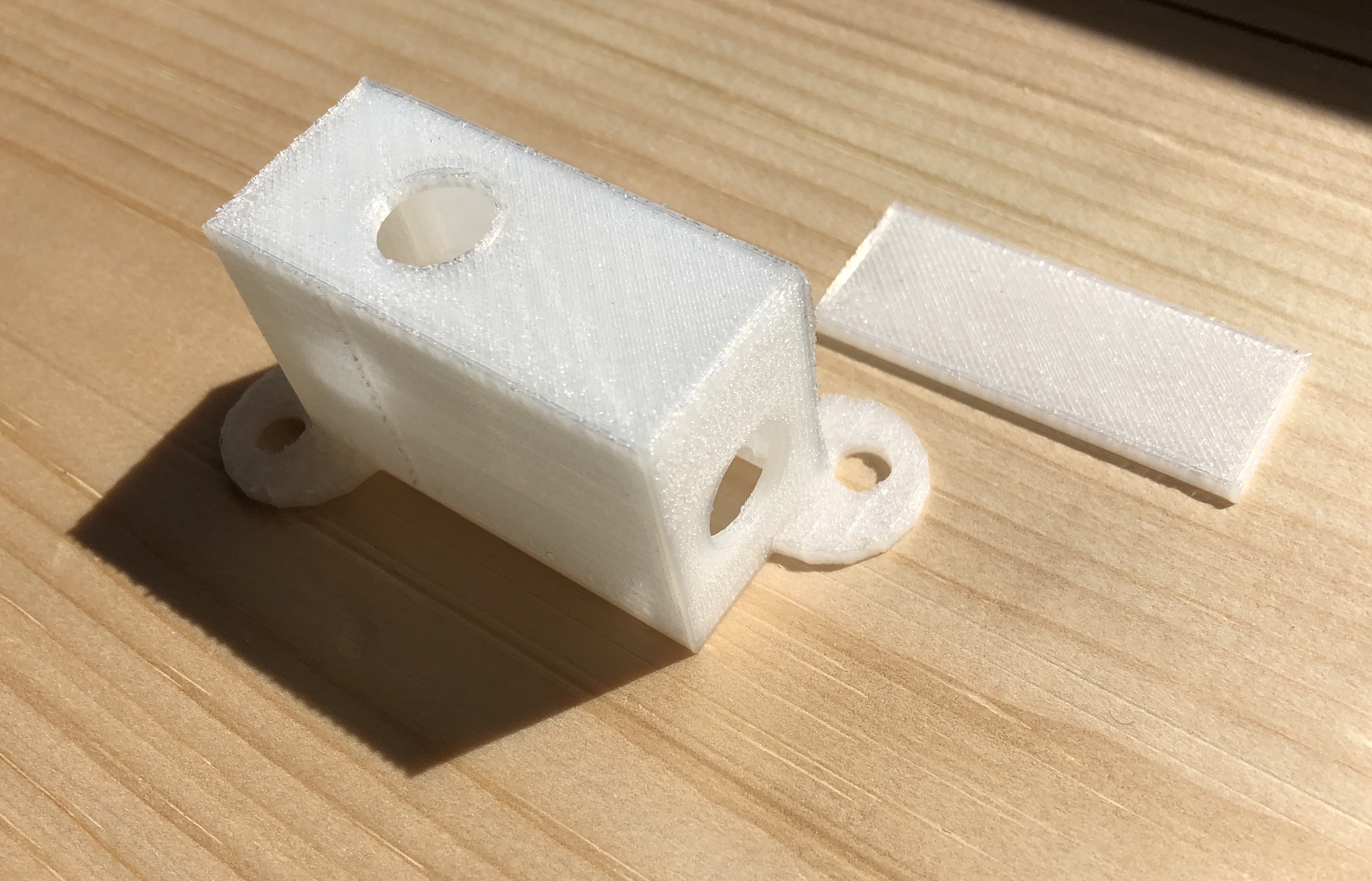
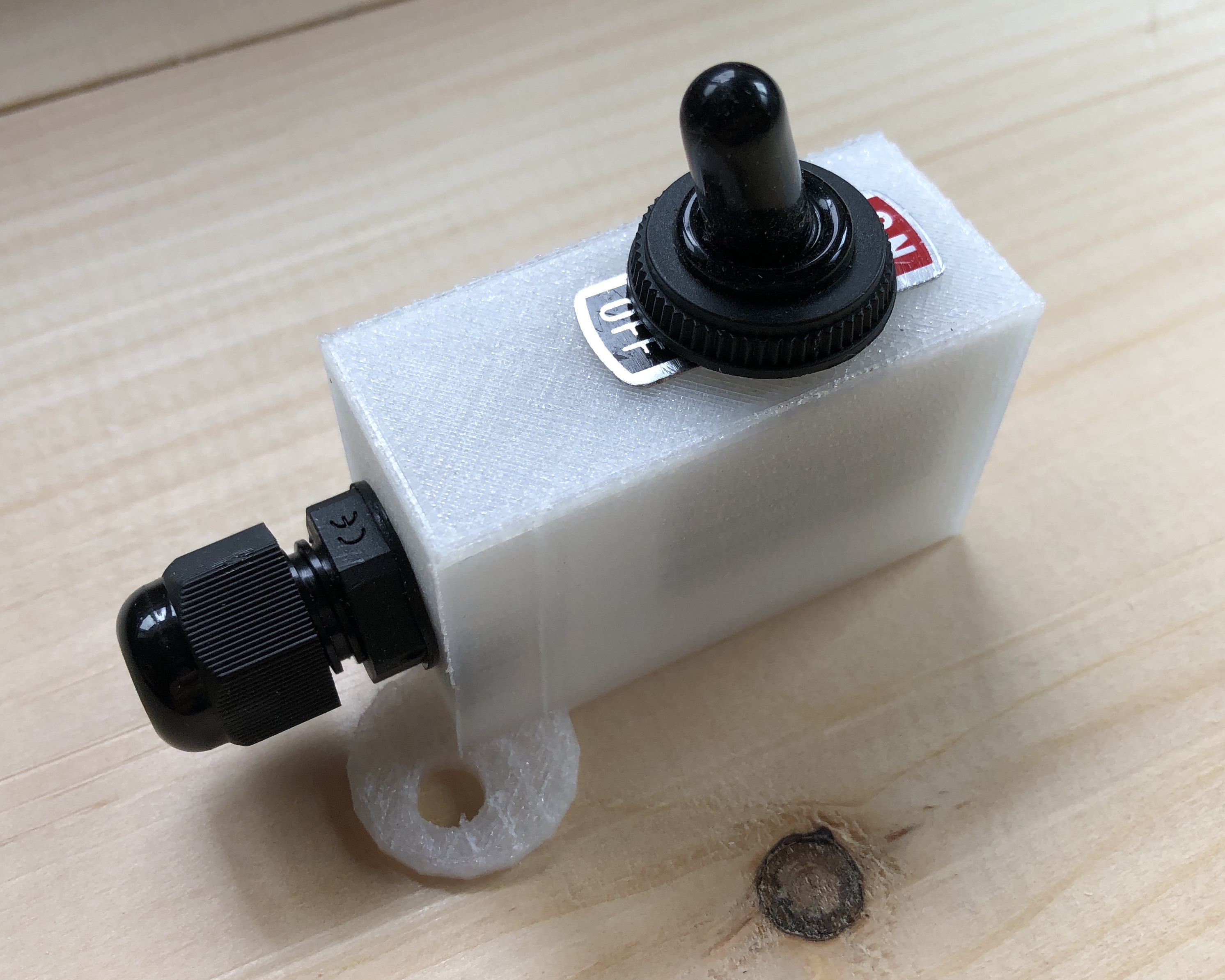
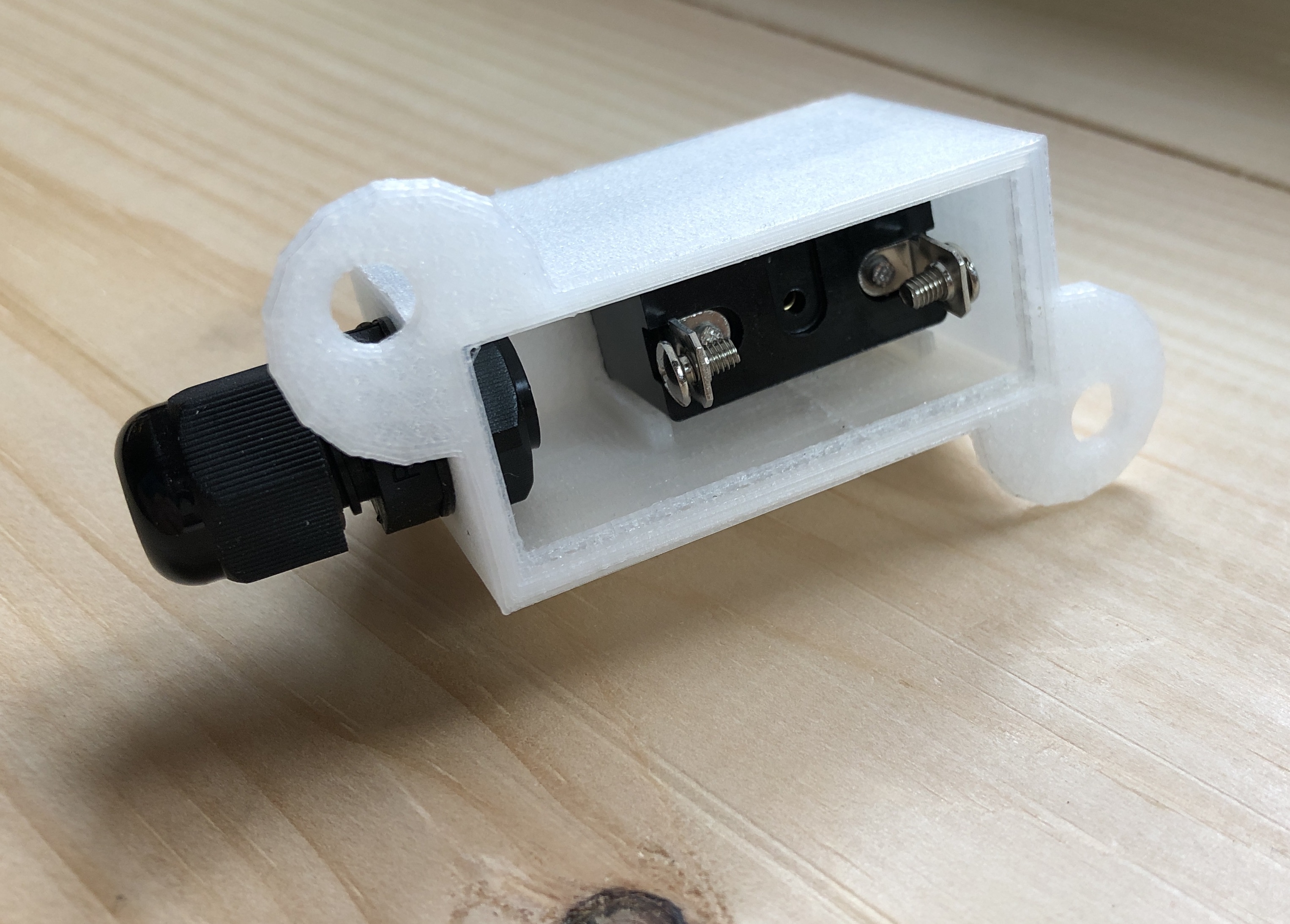
The magic box which makes it all possible
PHP Zoom API JWT Bit Banging

It’s always hard to nail the exact sequence when authorizing through a new API. Here’s what I came up with for PHP authorization with Zoom’s JWTs. This is essentially a quick start which gets you enough functions to do a first API call: to list zoom users. Line 40->68 is where the JWt meat happens.

<?php

// config parameters you need to define
define( 'ZOOM_TOKEN_FILE', "/var/.zoom_token" ) ; // some location on the filesystem used to cache your token while it's current (make sure permissions are restrictive)
define( 'ZOOM_API_KEY', "" ) ;
define( 'ZOOM_API_SECRET', "" ) ;


// main
print_r( zoom_list_users() ) ;
exit( 0 ) ;


// functions
function zoom_list_users() {
    $users = array() ;

    $page_number = 1 ;
    $keep_going = true ;
    while( $keep_going && $page_number<10000 ) {
        $result = zoom_make_api_call( "GET", "https://api.zoom.us/v2/users", array('page_size'=>300, 'page_number'=>$page_number, 'status'=>"active") ) ;
        $result = json_decode( $result, true ) ;
        if( array_key_exists('users', $result) &&
            count($result['users'])>0 ) {
            foreach( $result['users'] as $user ) {
                $users[] = $user ;
            }
            $page_number++ ;
            if( $page_number>$result['page_count'] ) {
                $keep_going = false ;
            }
        } else {
            $keep_going = false ;
        }
    }

    return $users ;
}

// PHP's default base64 encode isn't URL safe which messes up the JWT, we need these functions instead
function base64_url_encode( $data ) {
    return rtrim( strtr(base64_encode($data), '+/', '-_'), '=' ) ;
}
function base64_url_decode( $data ) {
    return base64_decode( str_pad(strtr($data, '-_', '+/'), strlen($data) % 4, '=', STR_PAD_RIGHT) ) ;
}

function get_token( $refresh=false ) {
    if( $refresh===false &&
        file_exists(ZOOM_TOKEN_FILE) ) {
      	return file_get_contents( ZOOM_TOKEN_FILE ) ;
    }

    $jwt_request_date    = @date( "U" ) ; // no warning, proper system timezone assumed
    $jwt_expiration_date = $jwt_request_date + 60*60 ; # +1 hour
    $jwt_header          = '{"alg":"HS256","typ":"JWT"}' ;
    $jwt_claim_set       = '{"iss":"' . ZOOM_API_KEY . '","exp":' . $jwt_expiration_date . '}' ;
    $jwt_signature       = sign_data( base64_url_encode($jwt_header) . '.' . base64_url_encode($jwt_claim_set), ZOOM_API_SECRET ) ;
    $jwt                 = base64_url_encode( $jwt_header ) . "." . base64_url_encode( $jwt_claim_set ) . "." . base64_url_encode( $jwt_signature ) ;

    file_put_contents( ZOOM_TOKEN_FILE, $jwt ) ;
    return $jwt ;
}


function sign_data( $data, $key ) {
    return hash_hmac( "SHA256" , $data, $key, true) ;
}


function zoom_make_api_call( $request, $url, $get_variables=null, $post_variables=null, $force_refresh_token=false ) {
    $ch = curl_init() ;
    $token = get_token( $force_refresh_token ) ;

    $getfields = "" ;
    if( $get_variables!==null && is_array($get_variables) ) {
        foreach( $get_variables as $get_variable_key=>$get_variable_value ) {
            $getfields .= "&" . urlencode( $get_variable_key ) . "=" . urlencode( $get_variable_value ) ;
        }
        if( strlen($getfields)>0 ) {
            $getfields = "?" . substr( $getfields, 1 ) ;
        }
    }

    curl_setopt( $ch, CURLOPT_URL, "{$url}{$getfields}" ) ;
    curl_setopt( $ch, CURLOPT_PORT , 443 ) ;
    curl_setopt( $ch, CURLOPT_CUSTOMREQUEST, $request ) ;
    curl_setopt( $ch, CURLOPT_SSL_VERIFYPEER, false ) ;
    if( $post_variables!==null && is_array($post_variables) ) {
        $postfields = "" ;
        foreach( $post_variables as $post_variable_key=>$post_variable_value ) {
            $postfields .= "&" . urlencode( $post_variable_key ) . "=" . urlencode( $post_variable_value ) ;
        }
        $postfields = substr( $postfields, 1 ) ;
        curl_setopt( $ch, CURLOPT_POSTFIELDS, $postfields ) ;
    } else if( $post_variables!==null && is_string($post_variables) ) {
        curl_setopt( $ch, CURLOPT_POSTFIELDS, $post_variables ) ;
    }
    curl_setopt( $ch, CURLOPT_HTTPHEADER, array( "authorization: Bearer {$token}",
                                                 "content-type: application/json") ) ;

    curl_setopt( $ch, CURLOPT_RETURNTRANSFER, 1 ) ;
    curl_setopt( $ch, CURLOPT_HEADER, true ) ;

    $response = curl_exec( $ch ) ;
    curl_close( $ch ) ;

    $response = parse_http_response( $response ) ;

    if( $response['code']=="200" ||
        $response['code']=="204" ||
        $response['code']=="404" ) {
        return $response['body'] ;
    } else if( $response['code']=="401" ) { // expired token
        if( $force_refresh_token===false ) {
            // safe to recurse
            return zoom_make_api_call( $request, $url, $get_variables, $post_variables, true ) ;
        } else {
            echo "ERROR: had an expired token and I tried to refresh it, yet somehow it's still expired\n" ;
            print_r( $response ) ;
            exit( 1 ) ;
        }
    } else {
        echo "ERROR: I have no idea what to do with this response from Zoom\n" ;
        print_r( $response ) ;
        exit( 1 ) ;
    }
}


function parse_http_response( $raw_data ) {
    $parsed_response = array( 'code'=>-1, 'headers'=>array(), 'body'=>"" ) ;

    $raw_data = explode( "\r\n", $raw_data ) ;

    $parsed_response['code'] = explode( " ", $raw_data[0] ) ;
    $parsed_response['code'] = $parsed_response['code'][1] ;
    $i = 1 ;
    if( $parsed_response['code']=="100" ) {
        $parsed_response['code'] = explode( " ", $raw_data[2] ) ;
        $parsed_response['code'] = $parsed_response['code'][1] ;
        $i = 3 ;
    }

    for( ; $i<count($raw_data) ; $i++ ) {
        $raw_datum = $raw_data[$i] ;

        $raw_datum = trim( $raw_datum ) ;
        if( $raw_datum!="" ) {
            if( substr_count($raw_datum, ':')>=1 ) {
                $raw_datum = explode( ':', $raw_datum, 2 ) ;
                $parsed_response['headers'][strtolower($raw_datum[0])] = trim( $raw_datum[1] ) ;
            }  else {
                echo "ERROR: we're in the headers section of parsing an HTTP section and no colon was found for line: {$raw_datum}\n" ;
                exit( 1 ) ;
            }
        } else {
            // we've moved to the body section
            if( ($i+1)<count($raw_data) ) {
                for( $j=($i+1) ; $j<count($raw_data) ; $j++ ) {
                    $parsed_response['body'] .= $raw_data[$j] . "\n" ;
                }
            }

            // we don't need to continue the $i loop
            break ;
        }
    }

    return $parsed_response ;
}

?>

GPIO 2 Inverter

I figured out a way to turn our inverter on and off with a Pi so I can leave it off when Winter forces us to be frugal. It takes a little more than an amp hour just sitting there doing nothing, so I do like to turn it off. This capability will serve to automate the fridge in the future, before I do that though, I need to figure out a way to bring cold air from the outside into it. The idea is to have a logic which looks at outside temperature, solar status, and fridge temperature to decide if we just turn it on or if we can simply (and for less electricity) fan in cold air from the outside.

Running a fridge on the coldest months, when solar power is scarce, is doubly absurd.