Been programming – Tessellation preview

Between the brutal cold and children, I haven’t had as many untainted brain cycles as I’ve been wishing for; still, I just finished the core engine for a universal way to apply translations to pen strokes. It allowed me to rewrite the mandala engine better, and expand it to allow for tessellations, and really any kind of translations on any center at any orientation. It’s been a ton of ground work so it’s nice to finally get some eye candy :).

I can’t wait to see what the internet does with it. Here’s a preview:

[mejsvideo mp4=”http://ben.akrin.com/videos/tessellation_preview.mov.mp4″ ogg=”http://ben.akrin.com/videos/tessellation_preview.mov.ogv” webm=”http://ben.akrin.com/videos/tessellation_preview.mov.webm” poster=”http://ben.akrin.com/videos/tessellation_preview.mov.jpg” width=”640″ height=”360″]

Multiaxis symmetrical drawing – A Mandala maker that doesn’t suck

I’ve had a terrible time finding a good piece of software to draw mandalas with. To be honest, I don’t care what mandalas are but I’m obsessed with how cool it is to draw with replicated symmetry on multiple axis.

Without further ado, here it is (drag your mouse to draw):

I hope you find it addictive. Click to pop out.


So wow… just wow, this blew up. This little tool ended up making the front page of Reddit in one amazing thread in which  many people shared their mandalas. It was an amazing day in many ways, first of all I’ve never seen so many positive comments in a single thread online. The amount of people who seem to have been positively touched by this program is humbling. Drawing mandalas is apparently great stress relief for many and I’ve received several personal notes on how much this program had done for them. I did not see that coming to say the least. Then the fact that this tools was picked up by real artists pushed it to build creations I didn’t even know it was capable of. Lastly, my solar powered raspberry Pi handled hundred of thousands of connections in a single day which turned out to be a technical challenge on top of the overwhelming response. When I set out to create this program, I did not have the slightest idea that it would hit such a sweet spot. I mainly wanted to scratch an itch and couldn’t find any good apps out there. It is a true privilege to have had the chance so see so many people use a tool I made, and have them report they were positively touched by it.

Here is a few of the most amazing mandalas that were posted on the Reddit thread, this is what it looks like when real artists take over your tool 🙂
 

IPv6 link-local address to MAC address online converter

The converter

It can also be addressed directly via:
https://ben.akrin.com/ipv6_link_local_to_mac_address_converter/?mode=api&ipv6=fe80::5074:f2ff:feb1:a87f
for all your API needs.

Description

This converter was implemented per Dave Russell’s suggestion as a follow up to the MAC address to IPv6 link-local address online converter. If you are interested in the steps behind this conversion, they are simply a reverse of the original Mac->IPv6 converter.

Please note that of the various IPv6 notations, the one this script will expect is fe80::xxxx:xxxx:xxxx:xxxx.

A solar powered blog

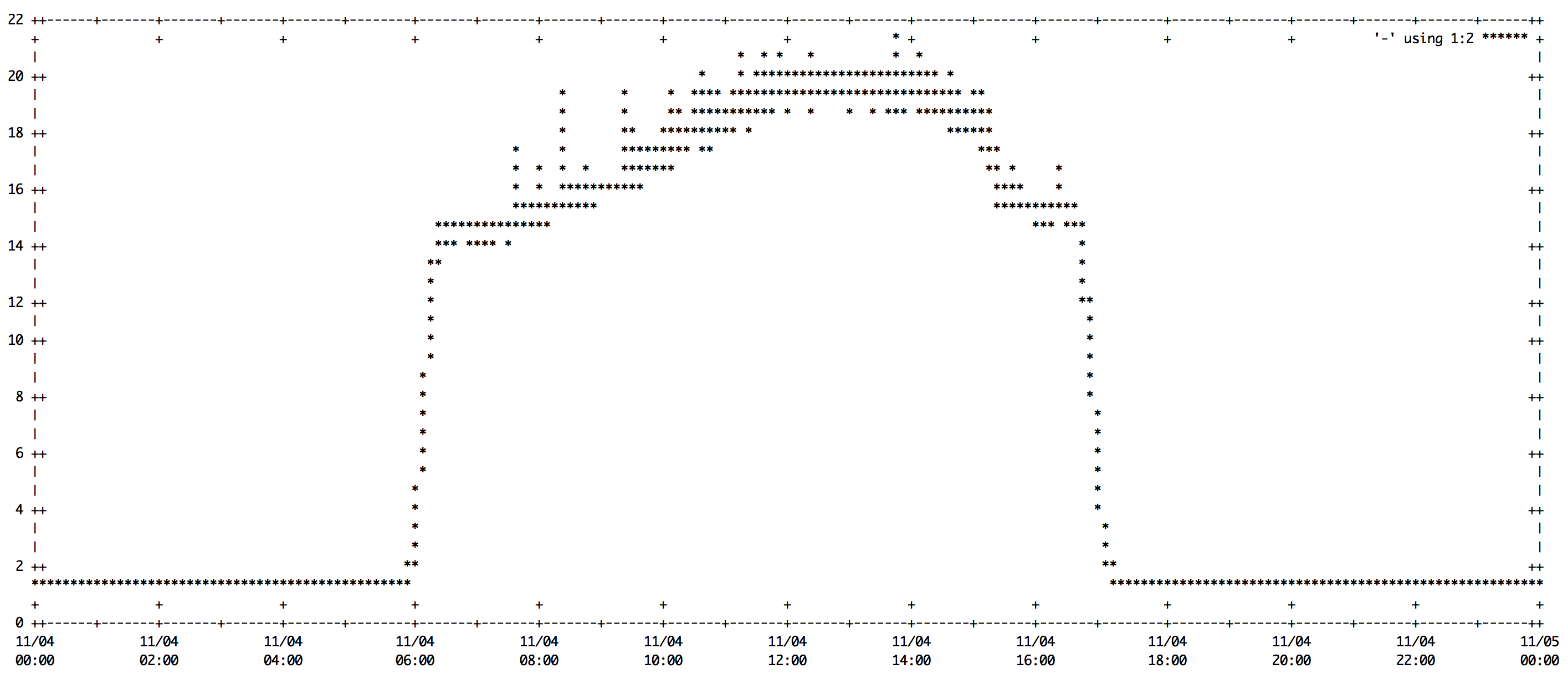
This blog is now powered by a Raspberry Pi using 100% solar energy. Nicole instrumented the Phidgets sensors so we would gain some visibility into our electricity production & consumption. This has already given us some great insights. We can see the effect that each device we use has on the system: how much the LED lamps take to charge, the hole that the inverter blasts through the battery when turned on. We can tell that not all sunny days are created equal in their ability to give a charge. We can even tell the increase in electricity consumption that rsyncing a whole bunch of data to the Pi has: 0.03A.

The sensors

  • solar panels volts (a good indicator of sunlight)
  • input amps (indicates when the charge controller uses produced electricity)
  • output amps / load (what we consume with various devices)
  • battery volts (whether this blog will make it through the night or not)

For now I’m only graphing using the Gnuplot one-liner from Hell. More to come…

Screen Shot 2015-11-05 at 12.33.16 PM

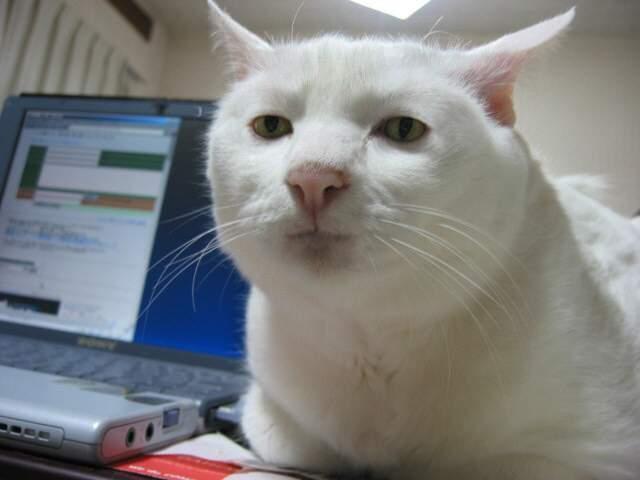
It blows my mind way too hard that I have a system in which sunlight comes in and organized information comes out. And by organized information I mean lolcats.serious-cat

Duplogrifier

I’ve been wondering for a while if I could represent a picture with Duplo pixels in a way that would do it justice.

Introducing the Duplogrifier!

Duplogrifier will take any JPEG and turn it into an arrangement of 2×2 Duplo bricks. Now truth be told, the answer to my original question is “no”. There are not enough colors available and it would take a obscene amount of bricks to build something visually acceptable. However it leads to some fairly cool results.

2015-04-15: added 6 more “pixel” colors.

You can play with it here:

Markov chains music generation

Here’s a project I’ve had on the back-burner for many years. Following the natural progression of generating stuff based on Markov chains, I decided a while ago to port the algorithm to music.

Music presents many challenges that I haven’t been able to address well so far. As a result, what the algorithm produces always had a bitter unfinished aftertaste to me, hence why I haven’t published anything about it for years.

  • Music is multidimensional, time is relevant and needs it own analysis and subsequent generation
  • The interconnectedness of different instruments from the piece is important as well.
  • Random generation even based on Markov chains fails to produce any structure. The pieces all sound like a long solo without chorus or any other repetition that would give us what we strive for: anticipation. In other words, it’s perfect for jazz.

I’m hoping that publishing this will give me the kick in the nuts necessary to keep improving it. Without further ado, here’s what I have so far.


Future improvements:

  • add to corpus
  • clean pieces analyzed of noise
  • try to infuse structure

More Dr. Meter fun

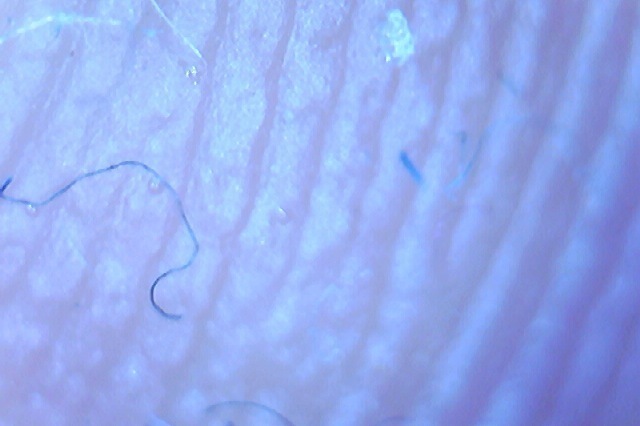
Finger

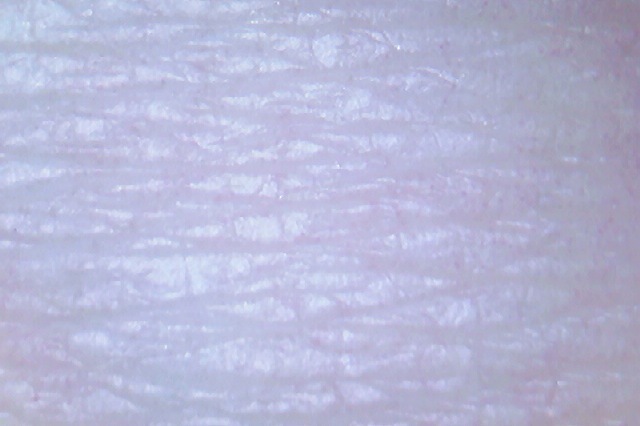
Arm

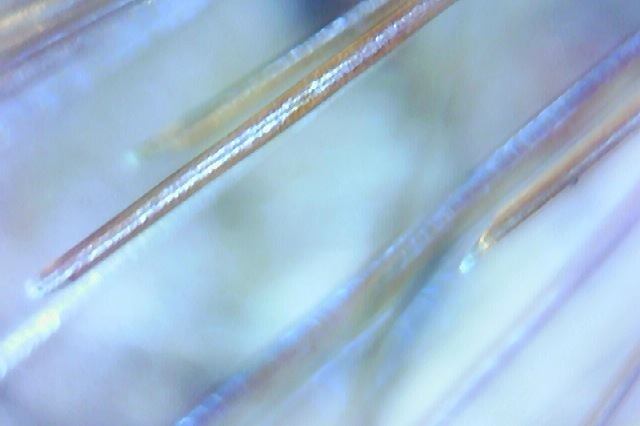
Hair

Salt

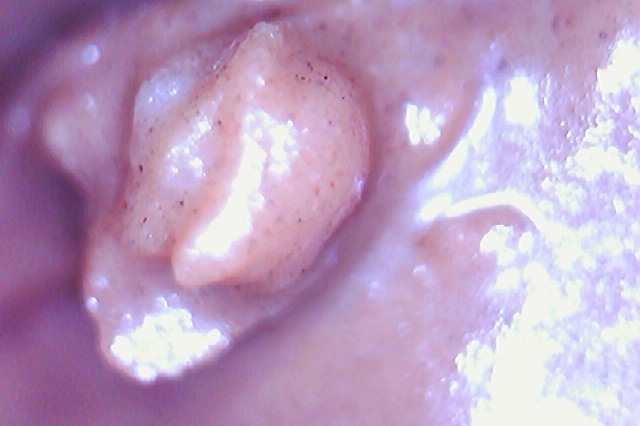
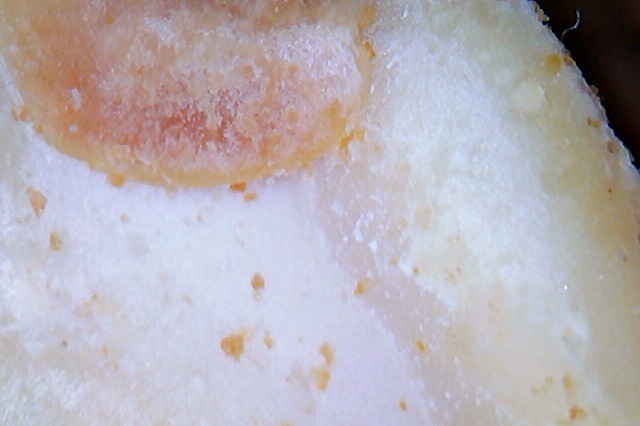
Nutella (gross)

Peanut

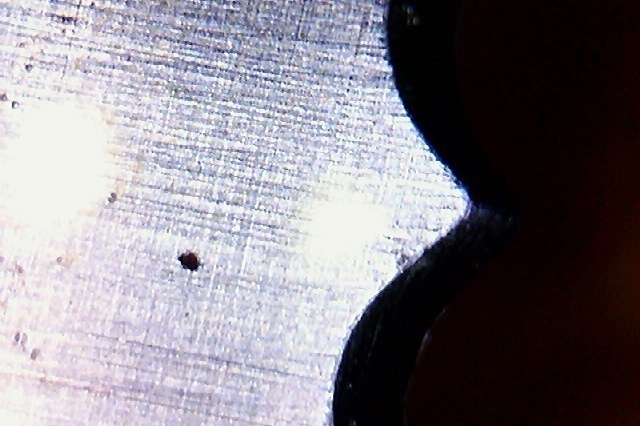
Serrated knife blade

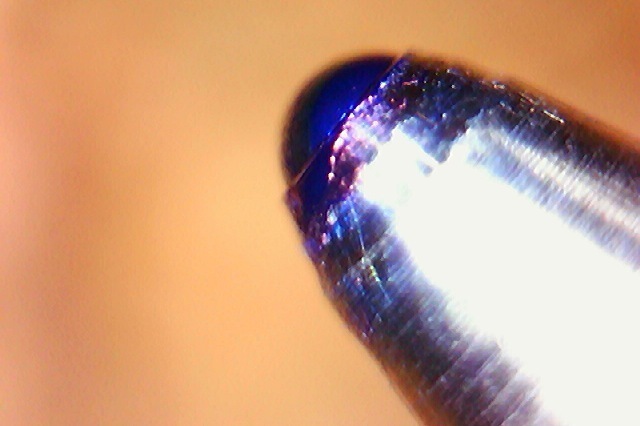
Ballpoint pen

Printed beer logo

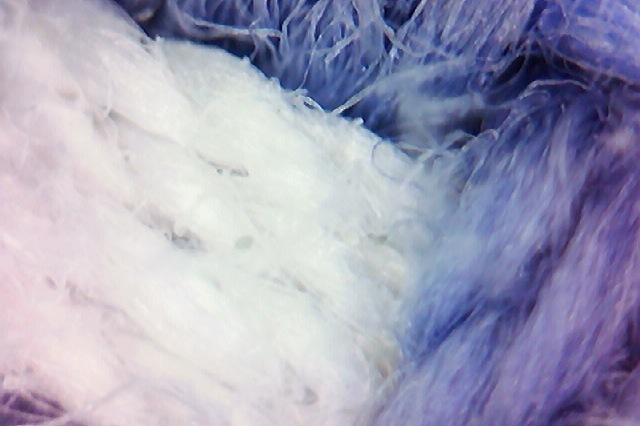
Cloth

Melting snow

[flv:http://ben.akrin.com/wp-content/uploads/2013/02/temp.flv http://ben.akrin.com/wp-content/uploads/2013/02/Screen-Shot-2013-02-24-at-11.53.58-PM.png 640 426]