Absolutely gorgeous, it’s a shame it will have to wait some for restoration. The sugarhouse is full of stoves now :|.

Absolutely gorgeous, it’s a shame it will have to wait some for restoration. The sugarhouse is full of stoves now :|.
Mandalagaba is no longer available in Russia or Belarus. That’ll slightly annoy about 30 people per day. It feels wrongly targeted at little people going about their lives. But it also feels like I don’t want to pay server time to provide something nice while they have Putin in power. I say all this knowing full well how close we got to having our very own dickhead motherfucker of the same vein seize power.

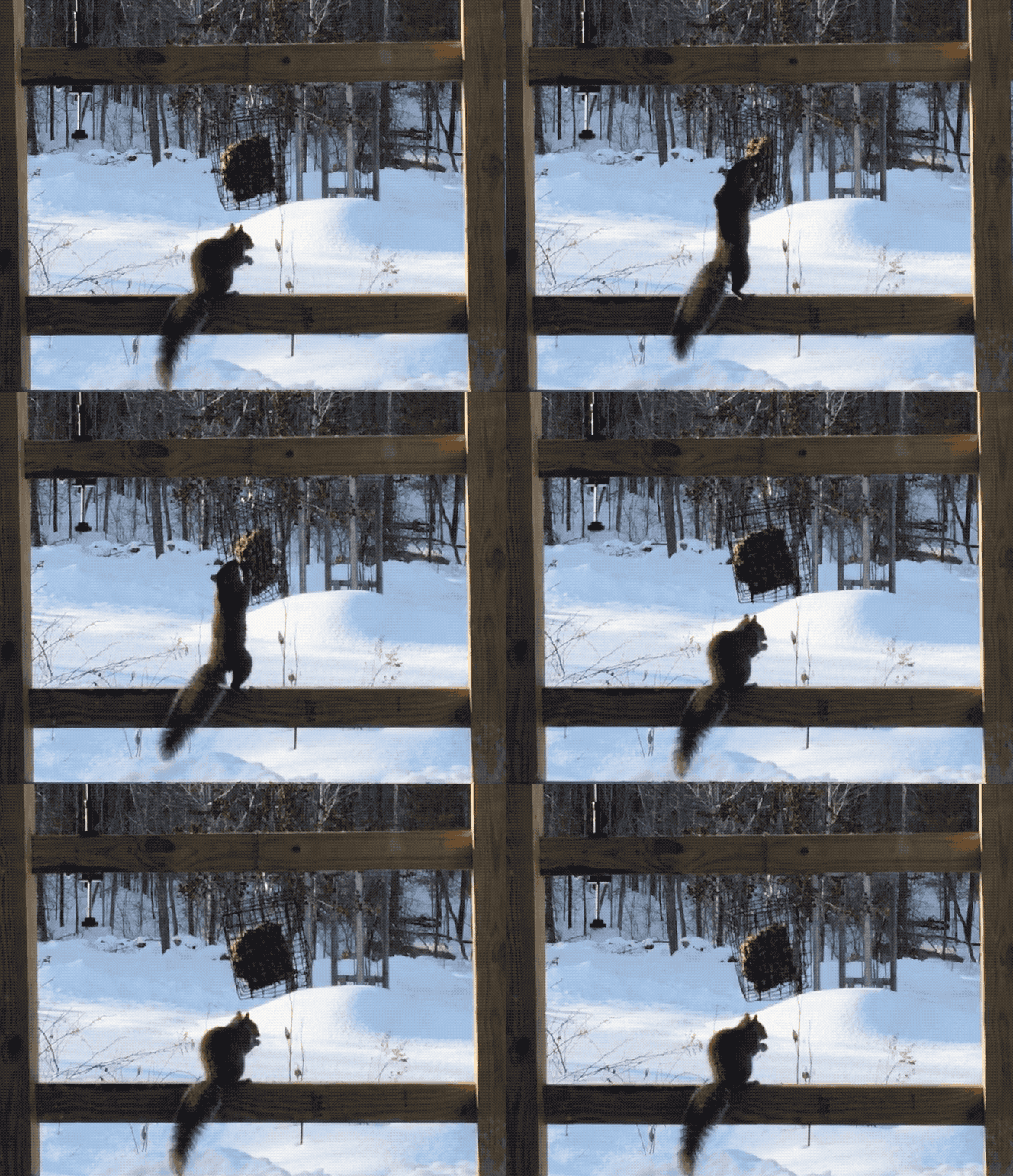
A Winter thaw seems to have awakened the squirrels. They first started going after the crabapple tree which has fruit at the oddest times of the year.
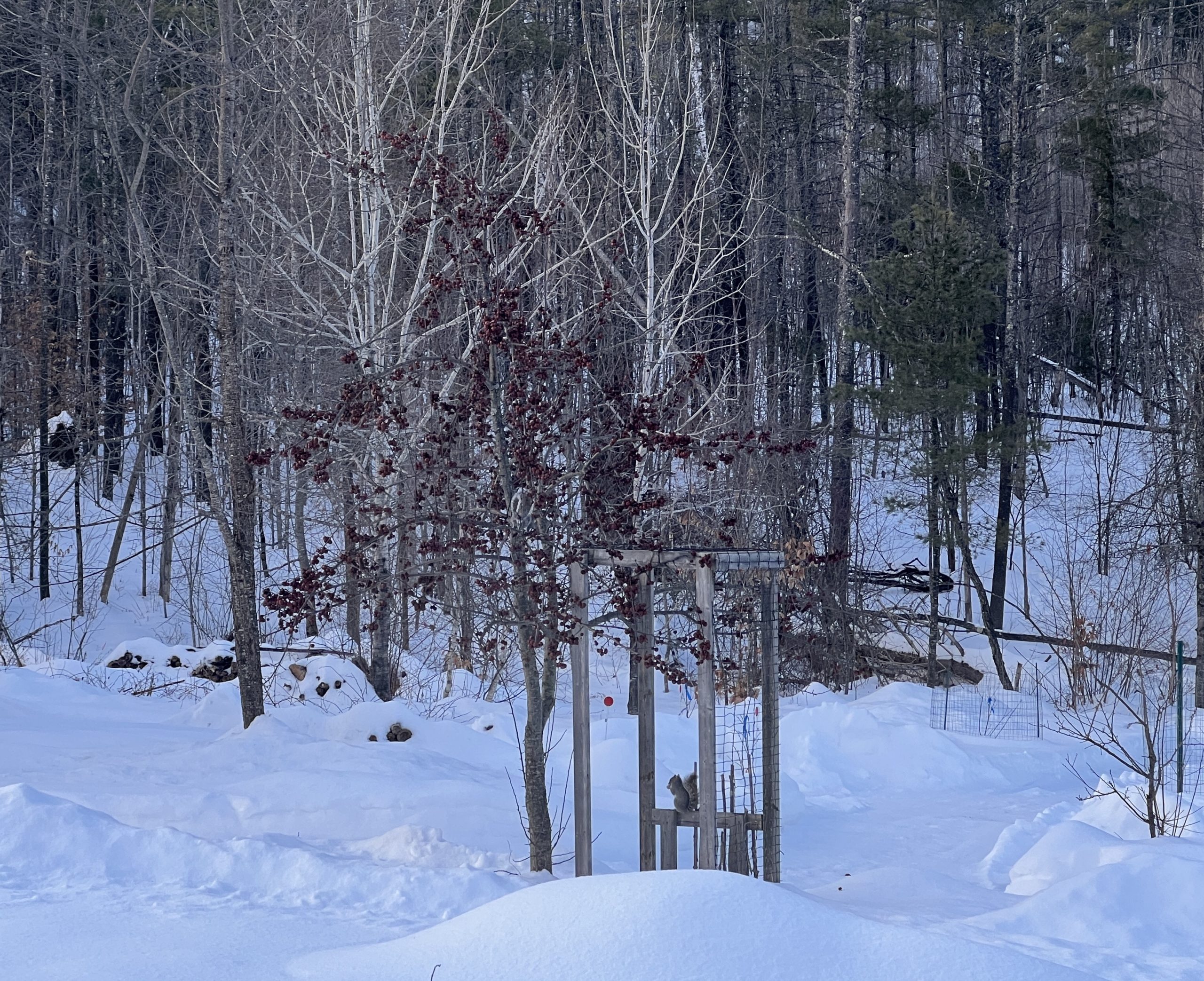
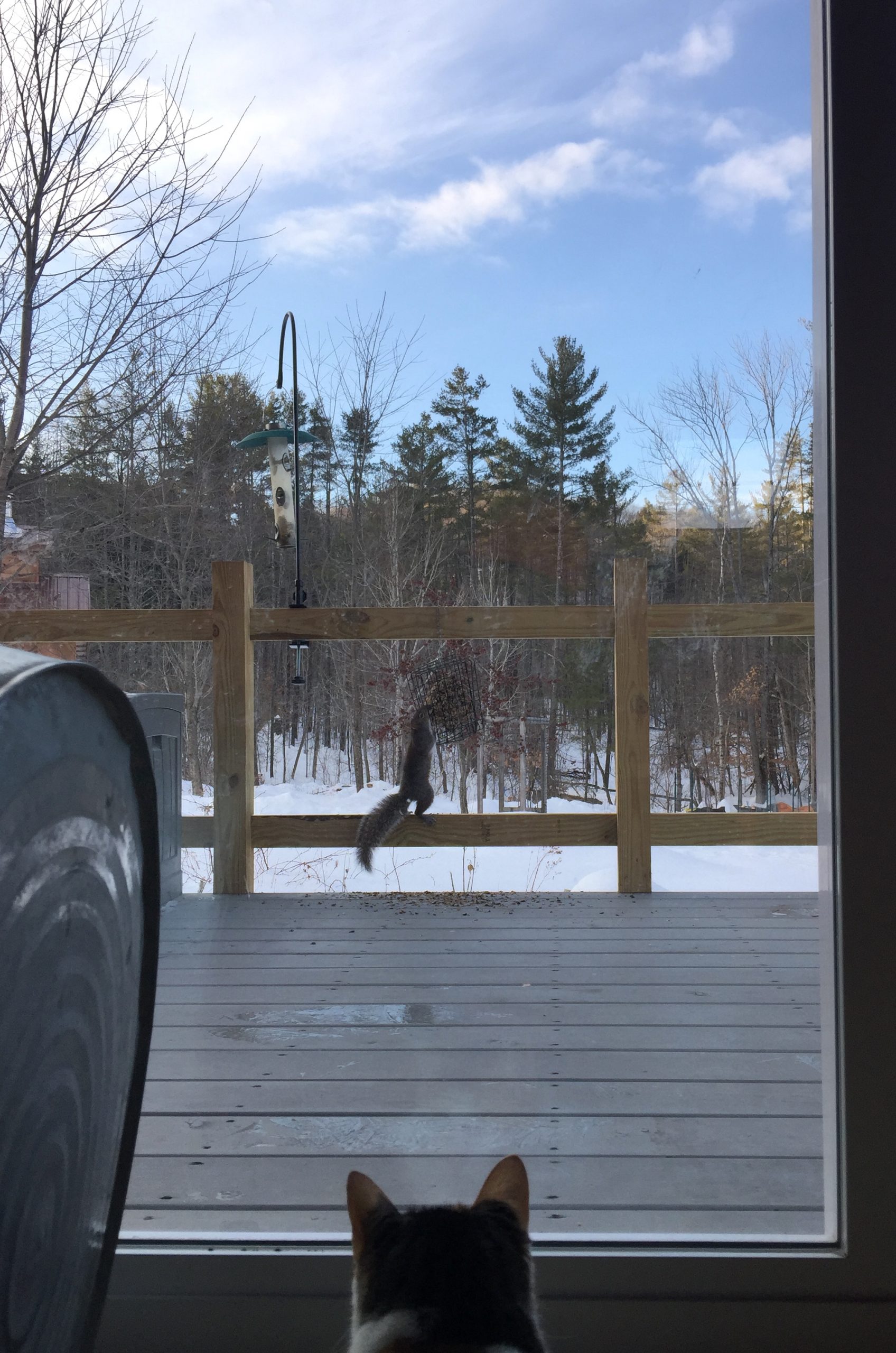
Then they got closer to the house and started raiding the bird feeders, as squirrels will do.
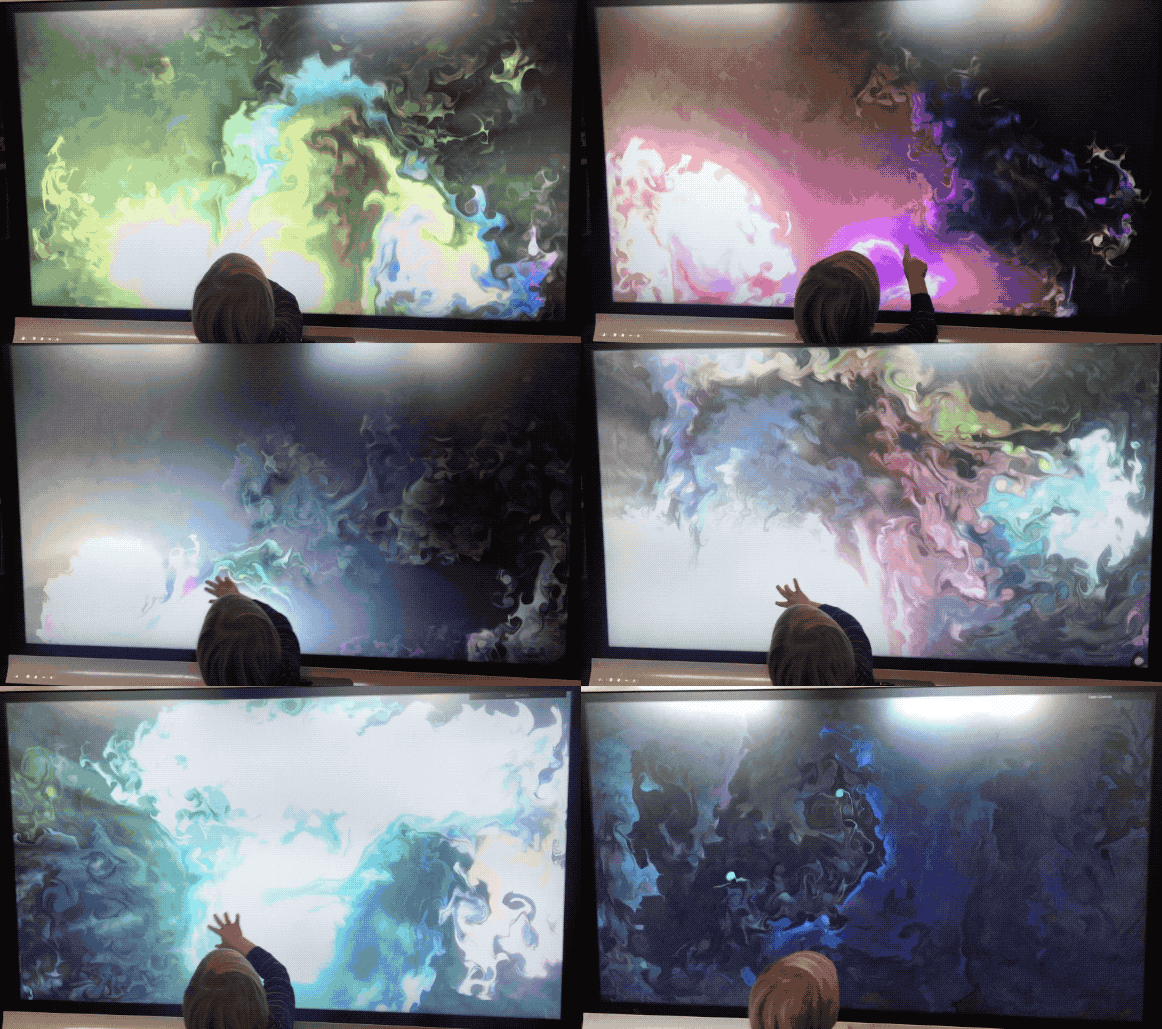
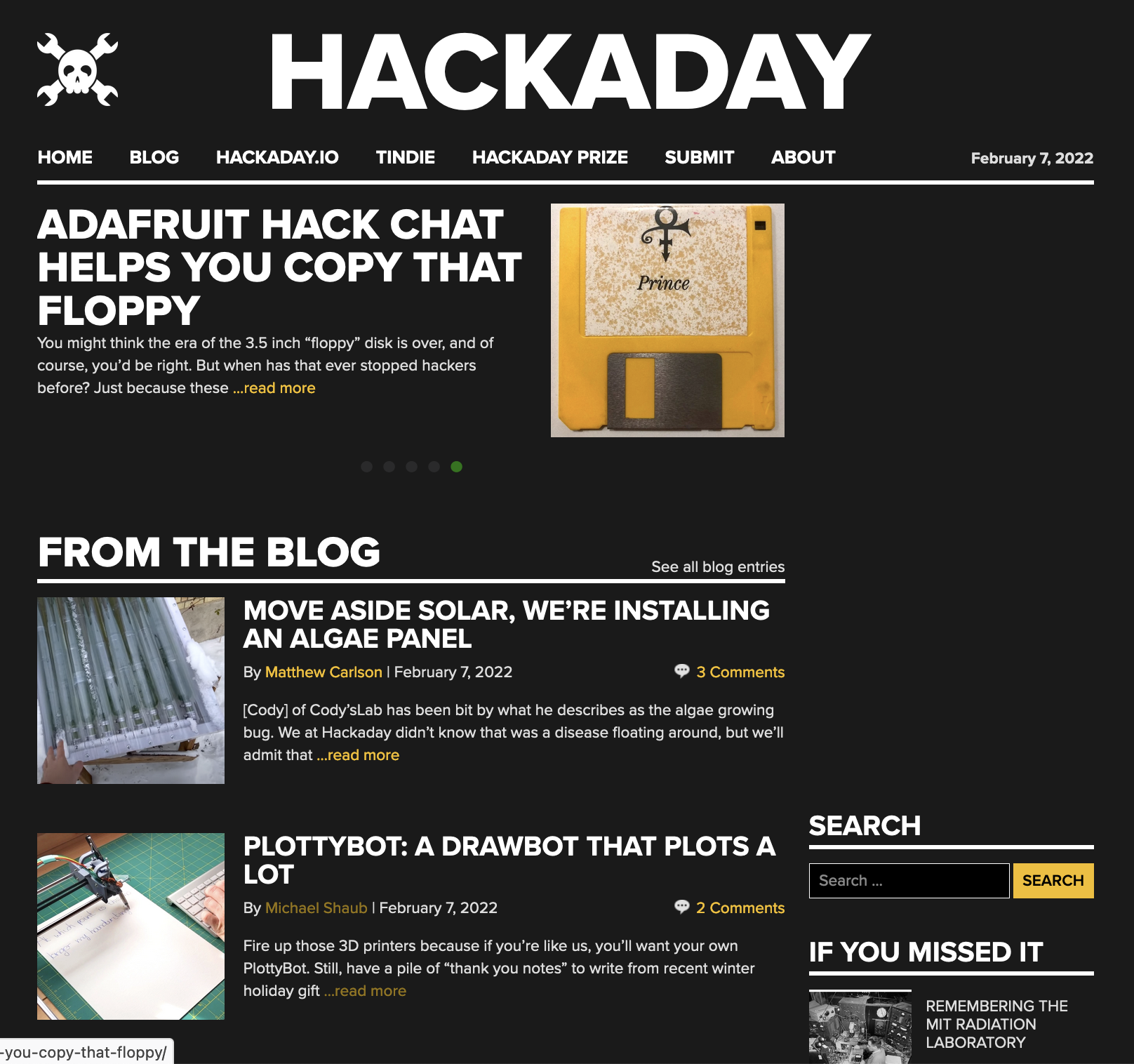
The Christmas Card video was meant as a bit of a gimmick, something to post about. And it definitely worked to this effect. PlottyBot had some visibility on Reddit and ended up on HackADay :).
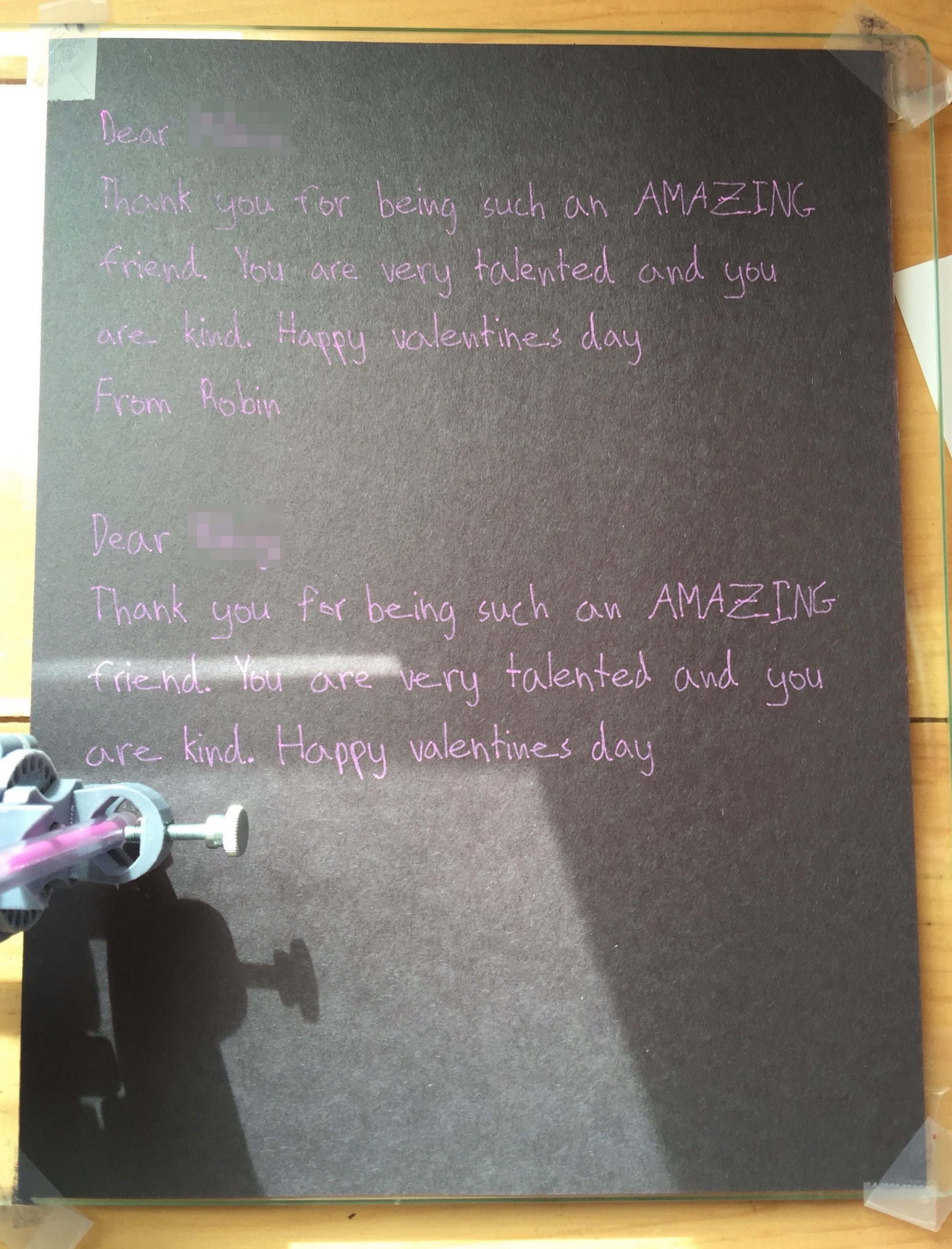
It’s always fun to get a bit of spotlight and see people react positively to something you built. Then Robin needed to actually write a bunch of valentines cards to his classmates, and he didn’t want to do it at all. So I proposed the plotter and his captured handwriting to make it fun. He didn’t hesitate and I learned a couple of things. First, he was fully capable of operating it, a sign that he’s growing up and that the software stack does make plotting accessible. Second, it was actually less work to “mass produce” handwritten cards. I thought it’d be the same amount of work as compared to writing them yourself, but really he’d just show up to change the paper when the plotter was done. He was watching TV while the plotter was working for him… Maybe this whole project is a failure.
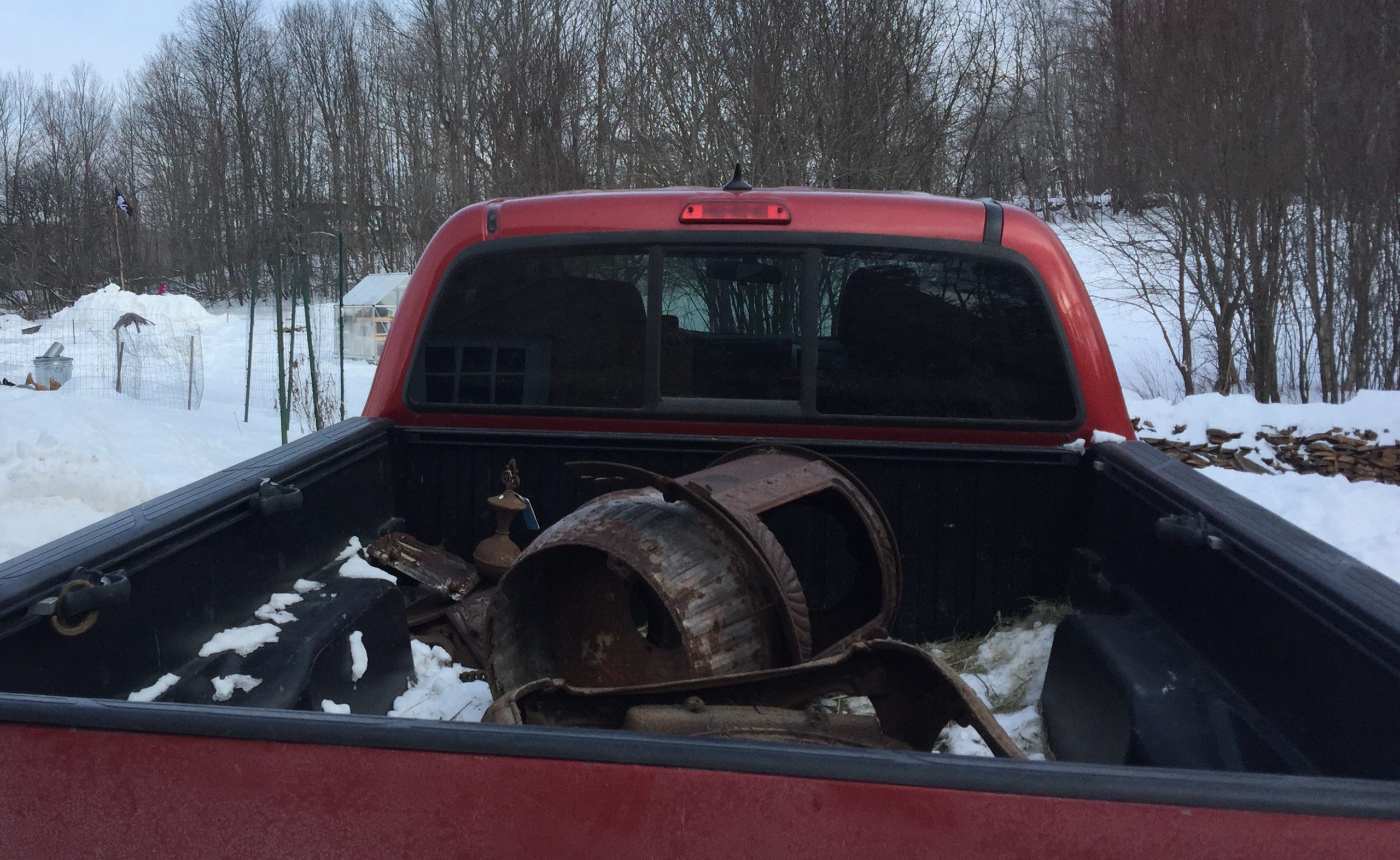
$50 for a pot belly stove that has been sitting in the Tunbridge Store for god knows how many decades. We don’t know much about its history but it does look like it has lived :). This one was simply too beautiful to pass even though it doesn’t look like much thrown in the truck like this. I don’t know if I will be able to get it up and running again. But we figure even dismantled, the parts will be beautiful decorations once brushed up. I would prefer to keep it functioning if at all possible.
This will be the last new stove for a good long while. We have nowhere to store another one anyway. I need to work on the couple of fixer uppers we have lined up first.
I plotted a bunch of UV snowflakes. I keep giving them away so I needed to rebuild my stock.

I hand them out to kids with a super cheap UV LED. They love it and then they shine the light everywhere else searching for reflective surfaces. It’s much like playing with a magnet where you try to discover where it will stick.

Hey psssst, kid, you want some snowflakes? I got some sheep too.
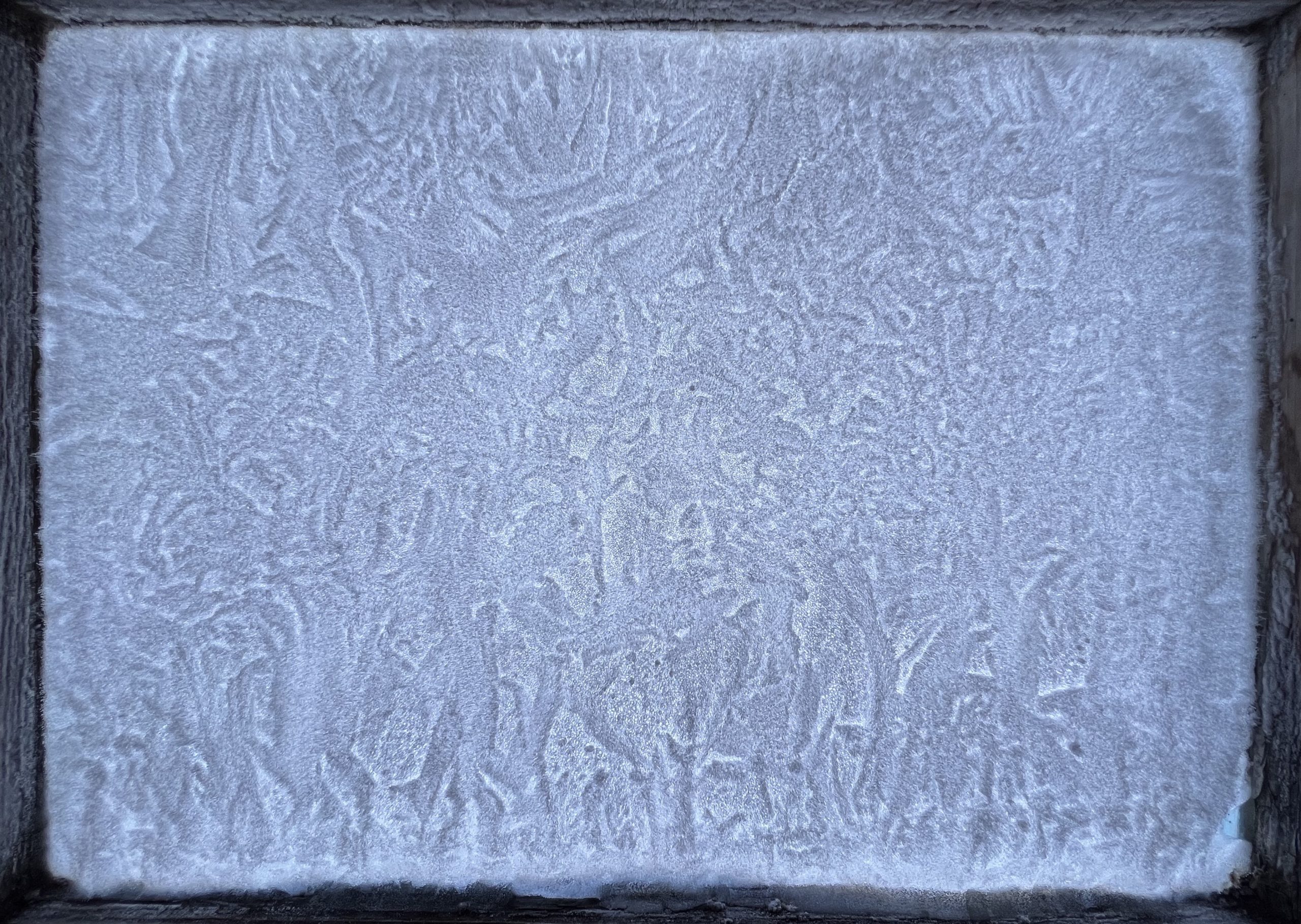
Of ice patterns

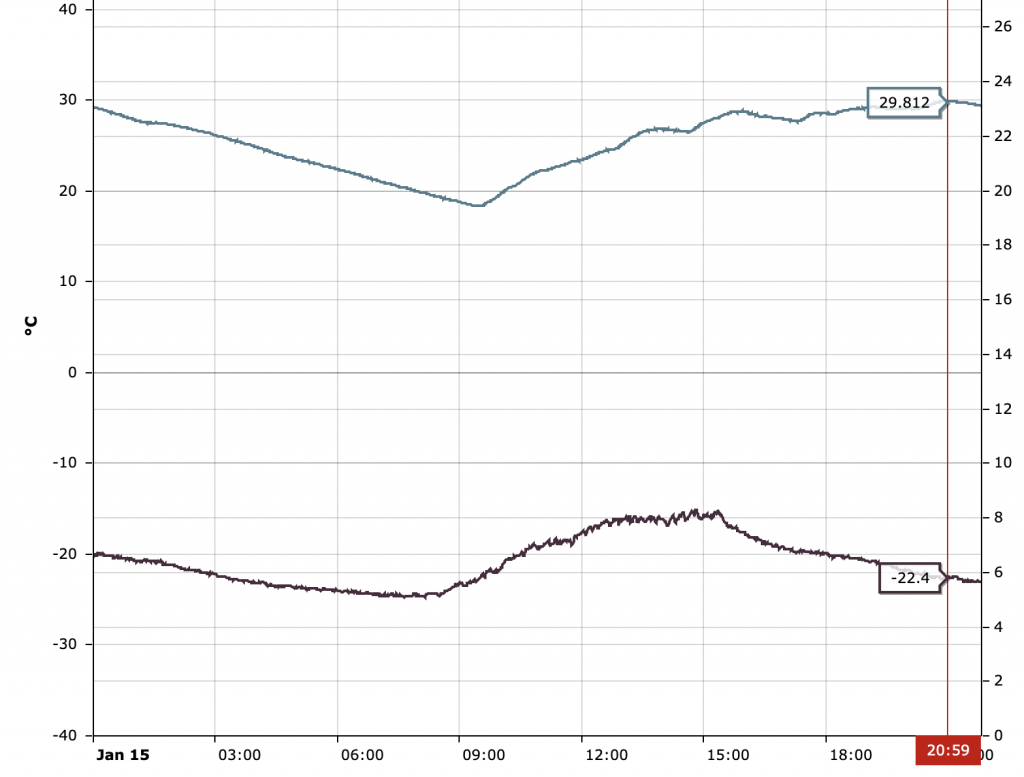
We’ve gotten quite good at managing the heat in the house. On super cold nights, we used to wake up a few times a night to keep feeding the fire, this is no longer the case. I rebuilt the house temperature Pi which got borked and I never fixed, I’m curious to compute the variance in house temperature from early years to now.
50° differential opening the door
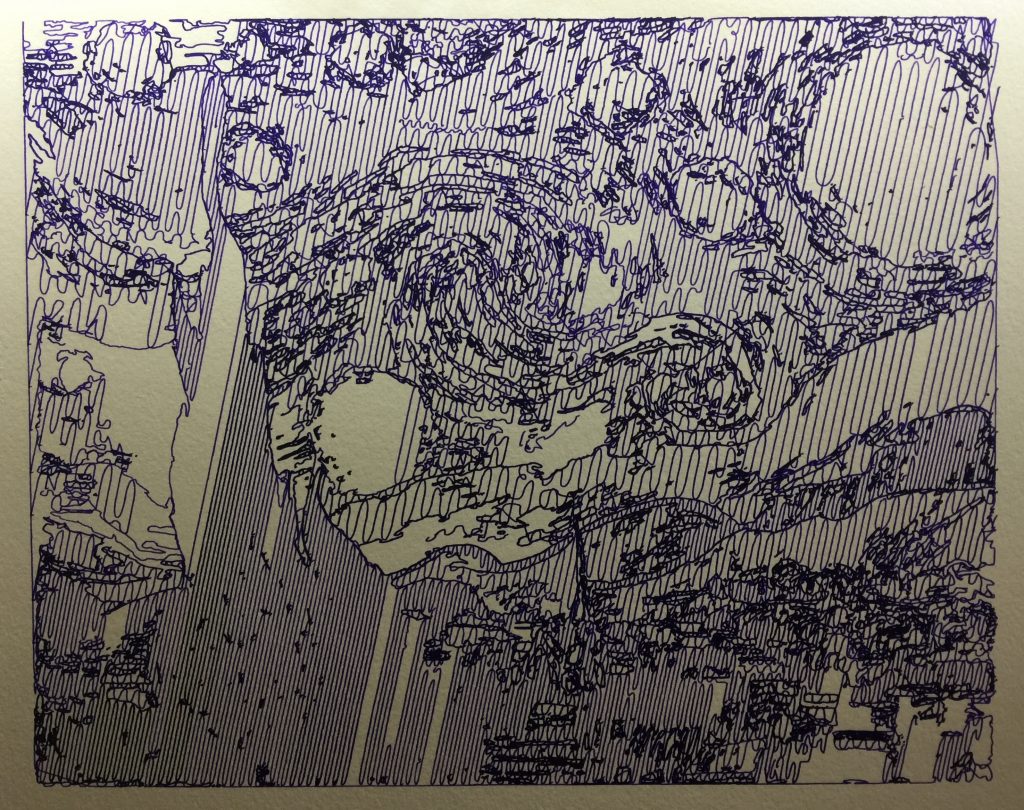
I’ve been after this one a long time with many failed and “meh” attempts. Once again tooling adequacy is only recent.
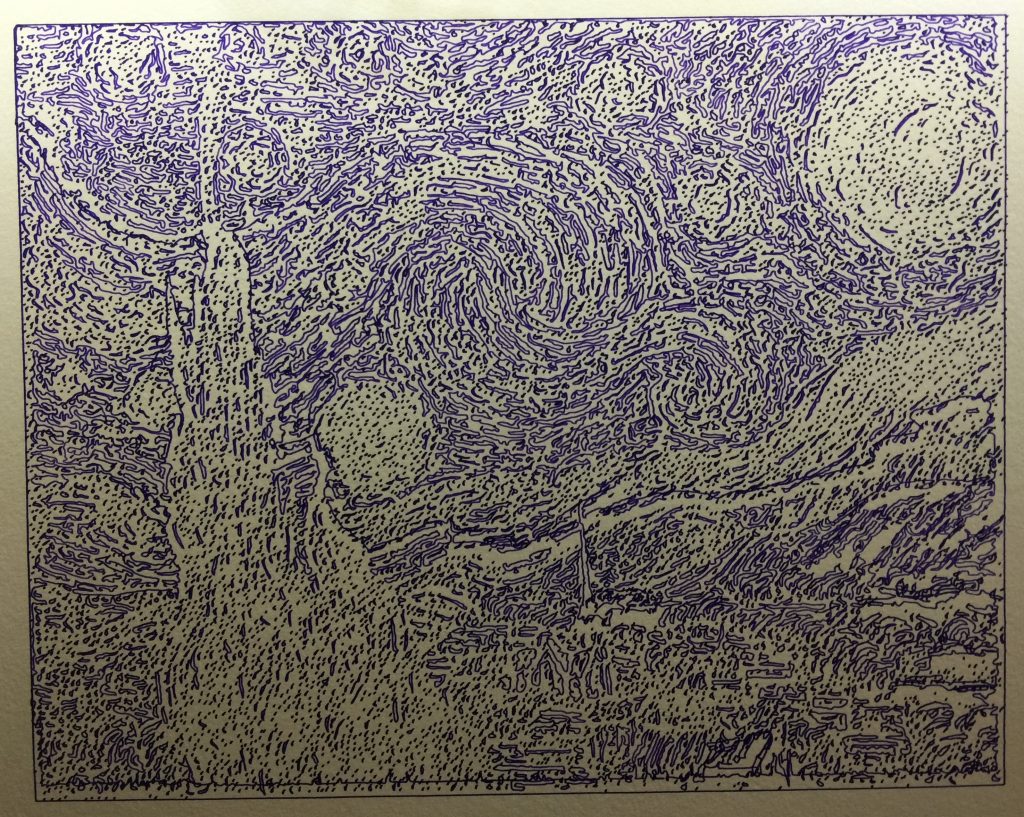
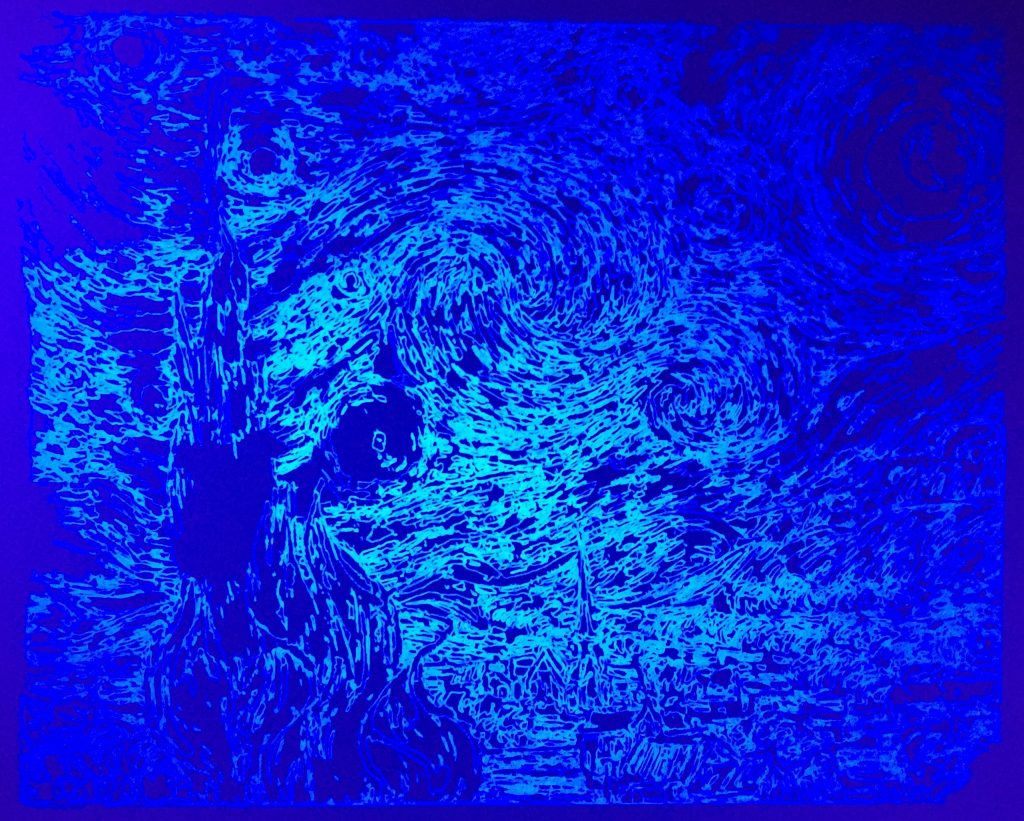
And seeing all the attempts, Robin tried his hand at it 🙂

This is close to the upper limit for plot complexity. The squiggles are packed so tight the ink and the fine point pen laying it are at the limit of what they can do while keeping the strokes distinct.

Having lived alongside machines my whole life, I never fully understood until this project what they were capable of. I knew it, but I didn’t understand it fully. I could I never draw this well, I wouldn’t have the dexterity to make these strokes, I wouldn’t have the ability to draw as fast, as relentlessly, or as flawlessly. Lastly, for the 17 hours that the plotter was drawing away, I was free to do other things. I know it’s not much of an epiphany but I found myself starring at this ongoing plot quite a bit pondering about how overwhelmingly better this machine was at drawing than I could ever hope to be. It’s one thing when a machine does something completely foreign that just isn’t possible for us humans, it’s another much more relatable thing when it holds a pen and draws. Learning about stepper motors has been a small revolution in my mind, and I see them everywhere in the world now.
I think I’ve pushed this one machine as far as it can go while still producing something of value. It’s a really good feeling to have pushed it this far given it represents the culmination of a 3 year pursuit. Now I can focus even more on the funner aspects of plotting cool things, knowing the machine and software stack can tackle the maximum level of complexity I would throw at them.

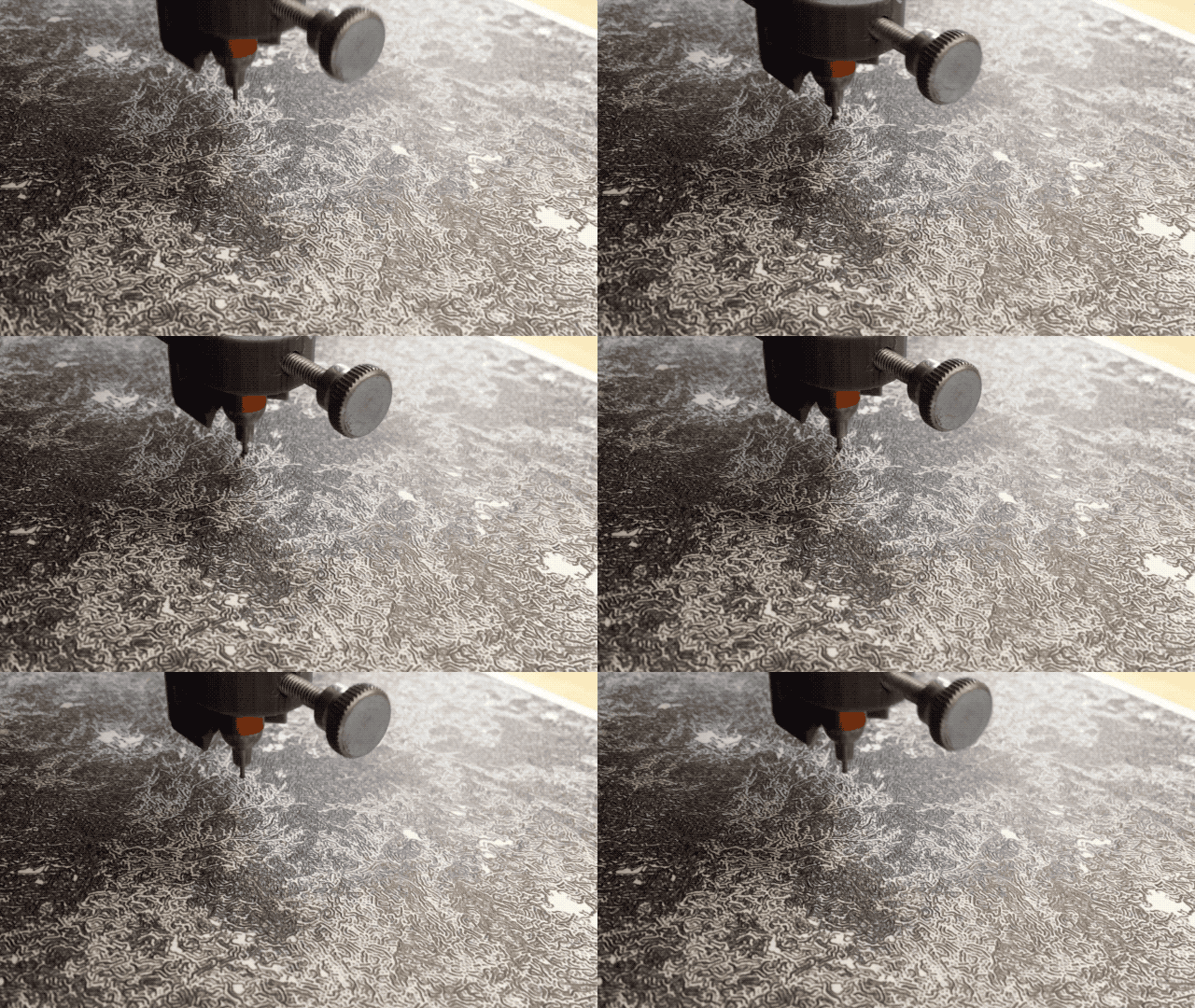
Reference: Ivan Murit’s Texturing
I’ve attempted this one many times and only recently had proficient enough tools to bring it to fruition.
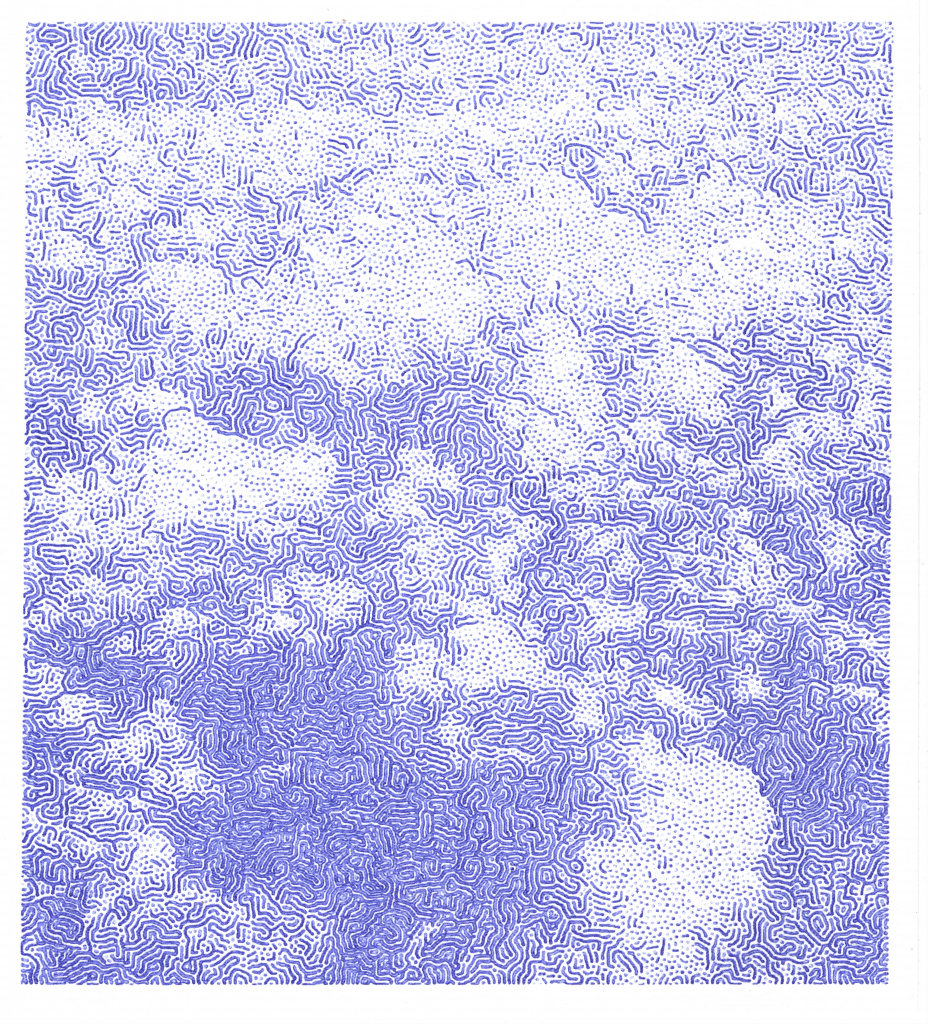

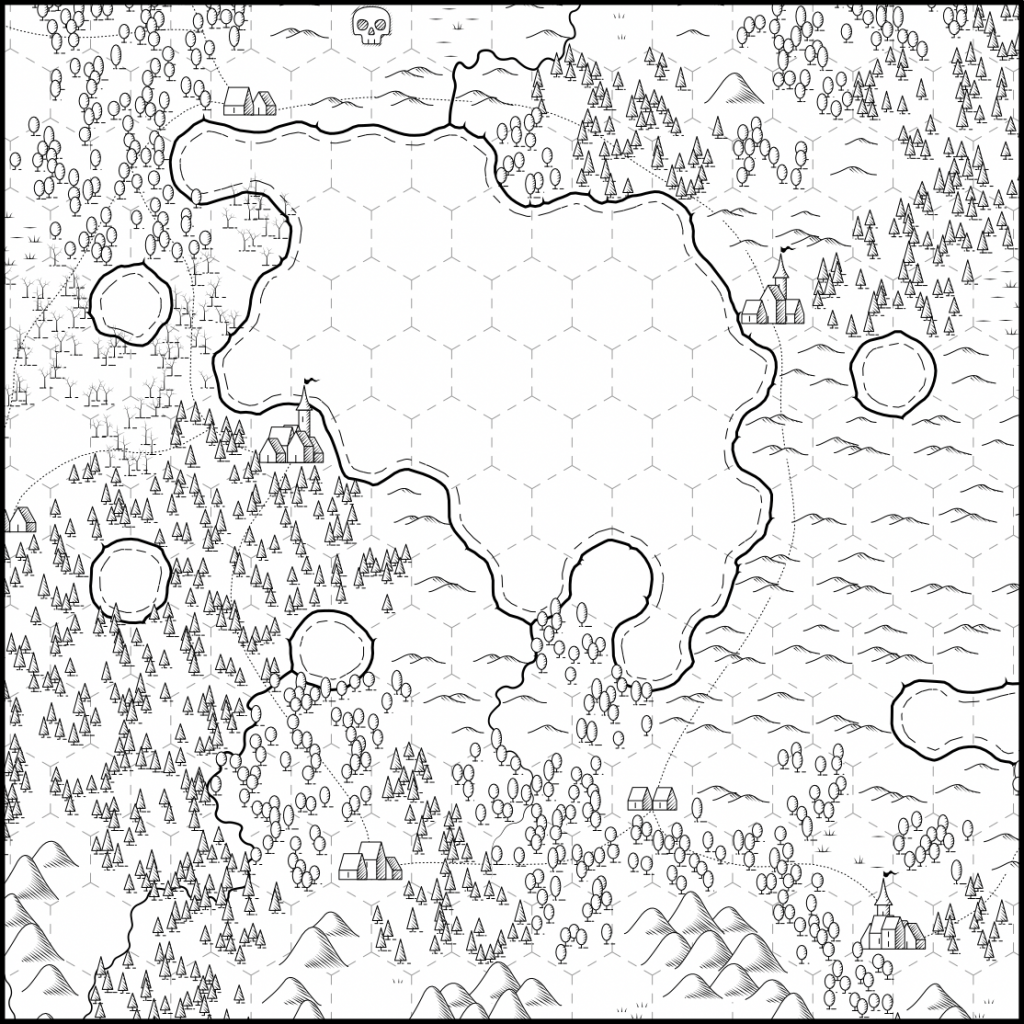
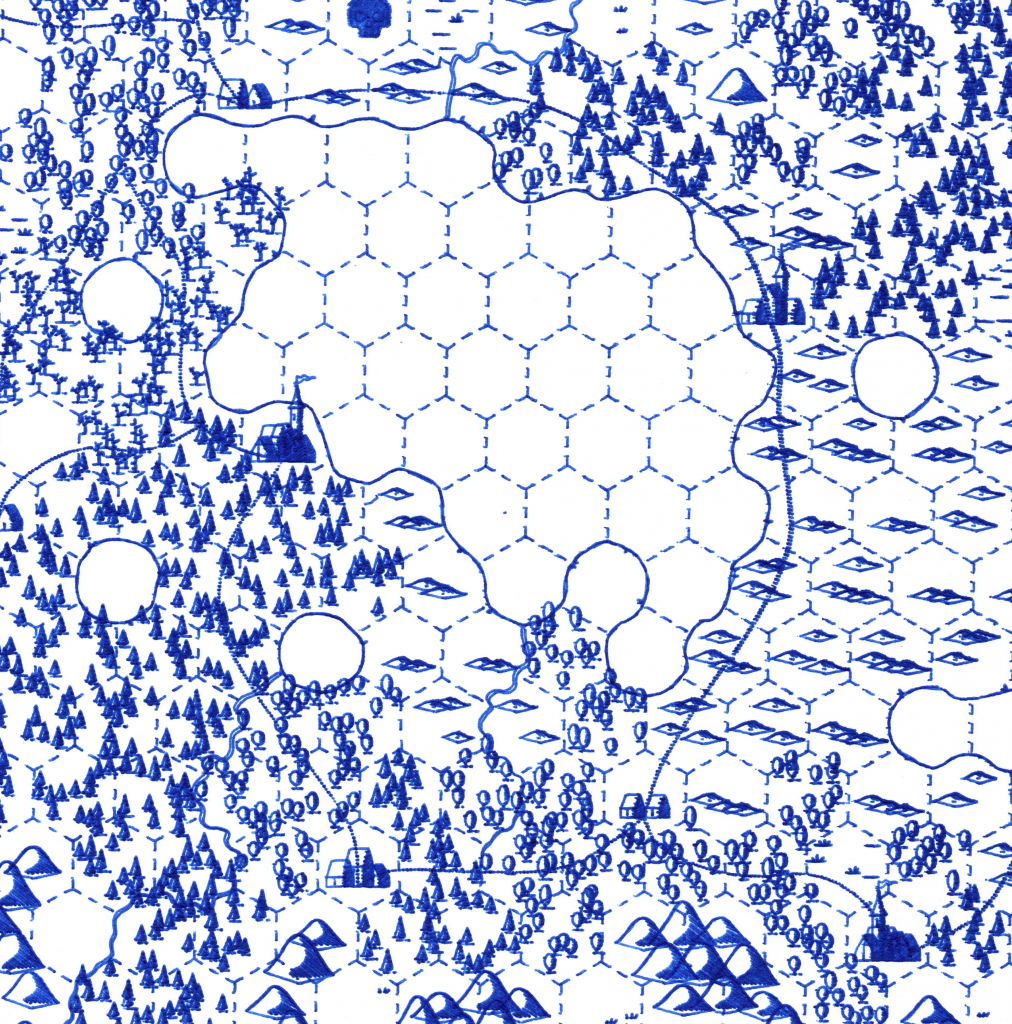
I found a super fun Hex Map generator, this just had to be plotted even though the SVGs it makes aren’t super plotter friendly.
I’ve been pushing the hickory flooring into one of the flights of stairs. It sure it nice to have an alternative when I turn one into a minefield such as this:
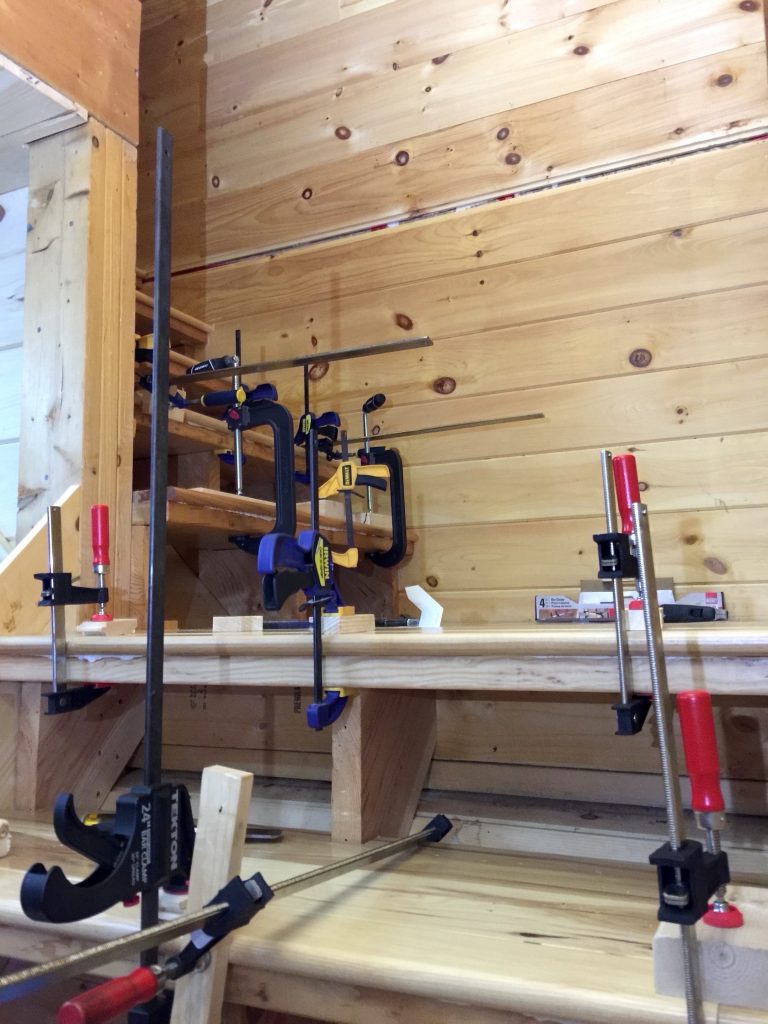
I had to buy more clamps…
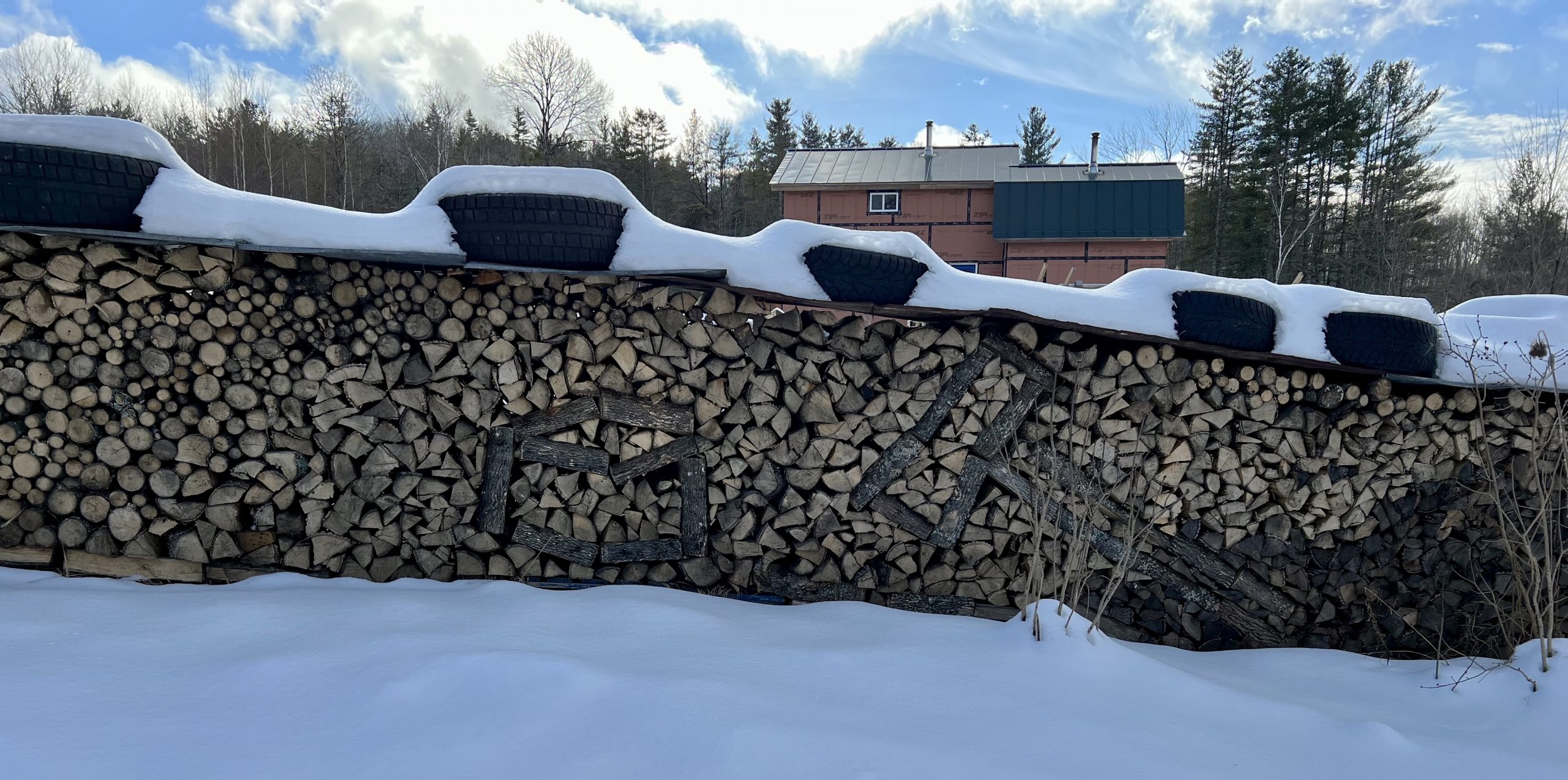
I tried a Log & Maul this time
Our land as we bought it surrounds a small parcel with a house. A nice person lived there and we never worried about it. But she passed and we inevitably started wondering what may happen to this small parcel, it’s close to everything we built. The right people on it would be awesome, the wrong ones terrible. To make a long story short, we approached the family when it was polite to do so and inquired about it. They were just as nice and we soon agreed on terms. Their ancestors owned pretty much the whole hill, now subdivided into many many parcels with many houses. It’s nice to go the other way a little, and it’s nice to not worry about what may happen to this parcel. Not only that, but there are now no parcels close enough to us to bring any worry. We’re very lucky to live in a neighborhood with awesome people, and with more than enough buffer between them and us :).
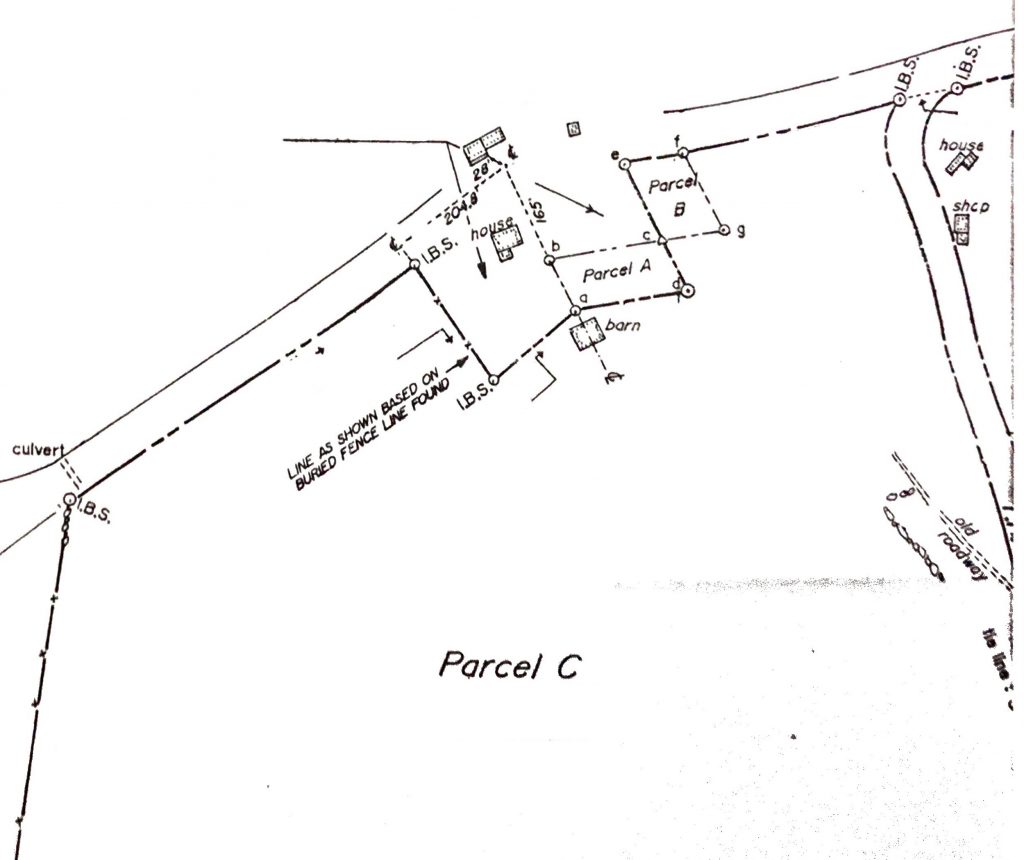
We acquired the nice person’s house in the process, it is very run down and will most likely be demolished when the time comes (a mix of respect, resources, and knowing what to do with it). I heard rumors that it may be the oldest house in our village, and that it has an incredible stone foundation. we don’t feel like going in just yet, it needs a bit more time.
This adds 2 acres to our land, and we’re very glad to be done with the paperwork.