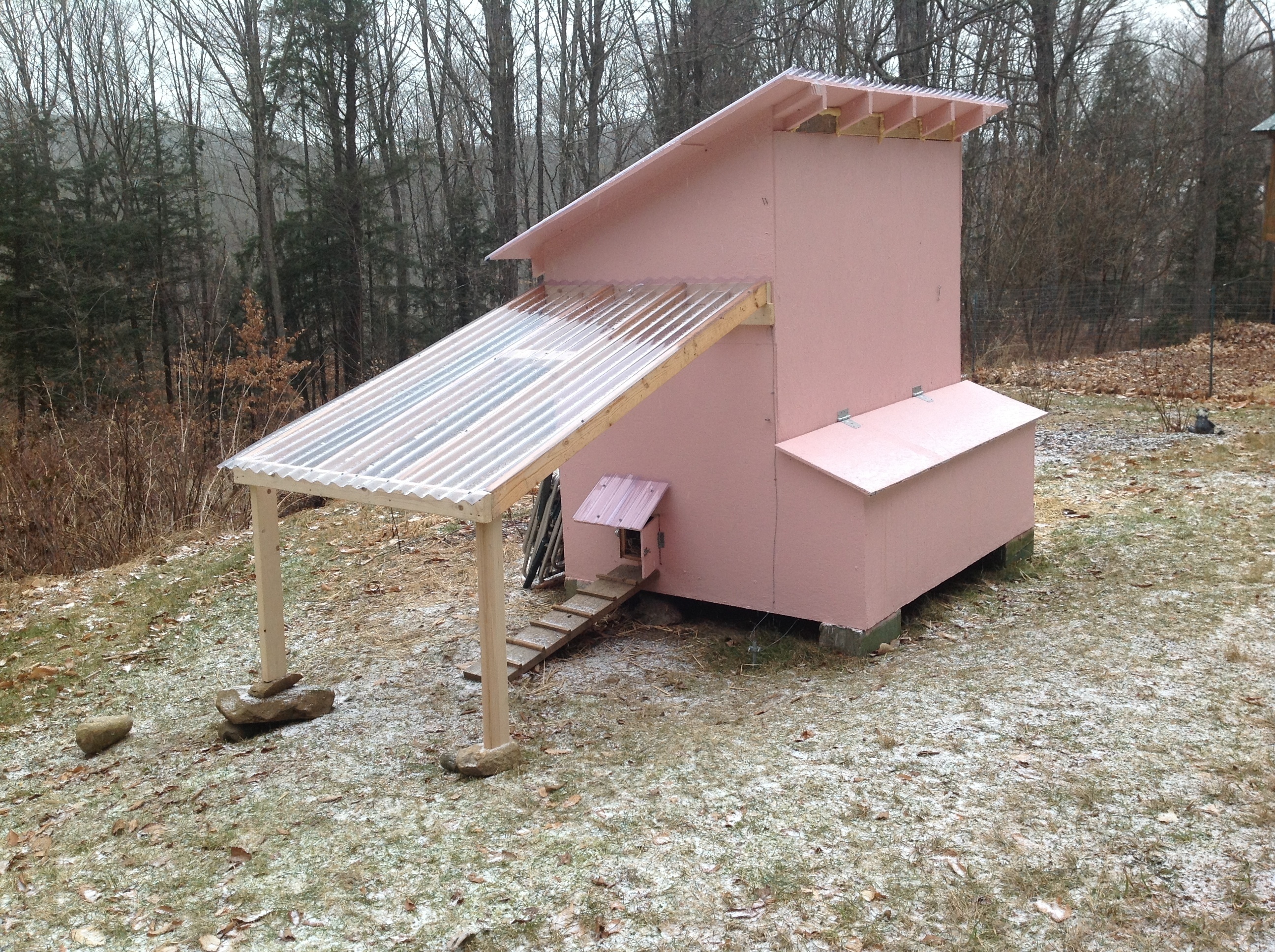
Seems like Rhode Island Reds refuse categorically to have anything to do with the snow. I kinda felt bad that they were staying inside all day so I made them a little patio with the help of my sister. It’s removable and will be extended upon next season.
Mice in cars
They made it into a 2000 Ford Focus, a 2005 Subaru Forester & a brand spanking new 2012 Suzuki SX4. They leave mouse shit everywhere, they literally take dumps non-stop. They even brought the poison I spread around the house into the cabin air filter these fucking little pricks.
It’s an all out war and I’m not taking prisoners.
First, I gave them back their poison, have fun not coagulating bitches.
Second, all of these cars have a path that allows a small rodents into the cabin. The Focus & the SX4 was through the cabin air intake. I still don’t know how they make it into the Subaru.
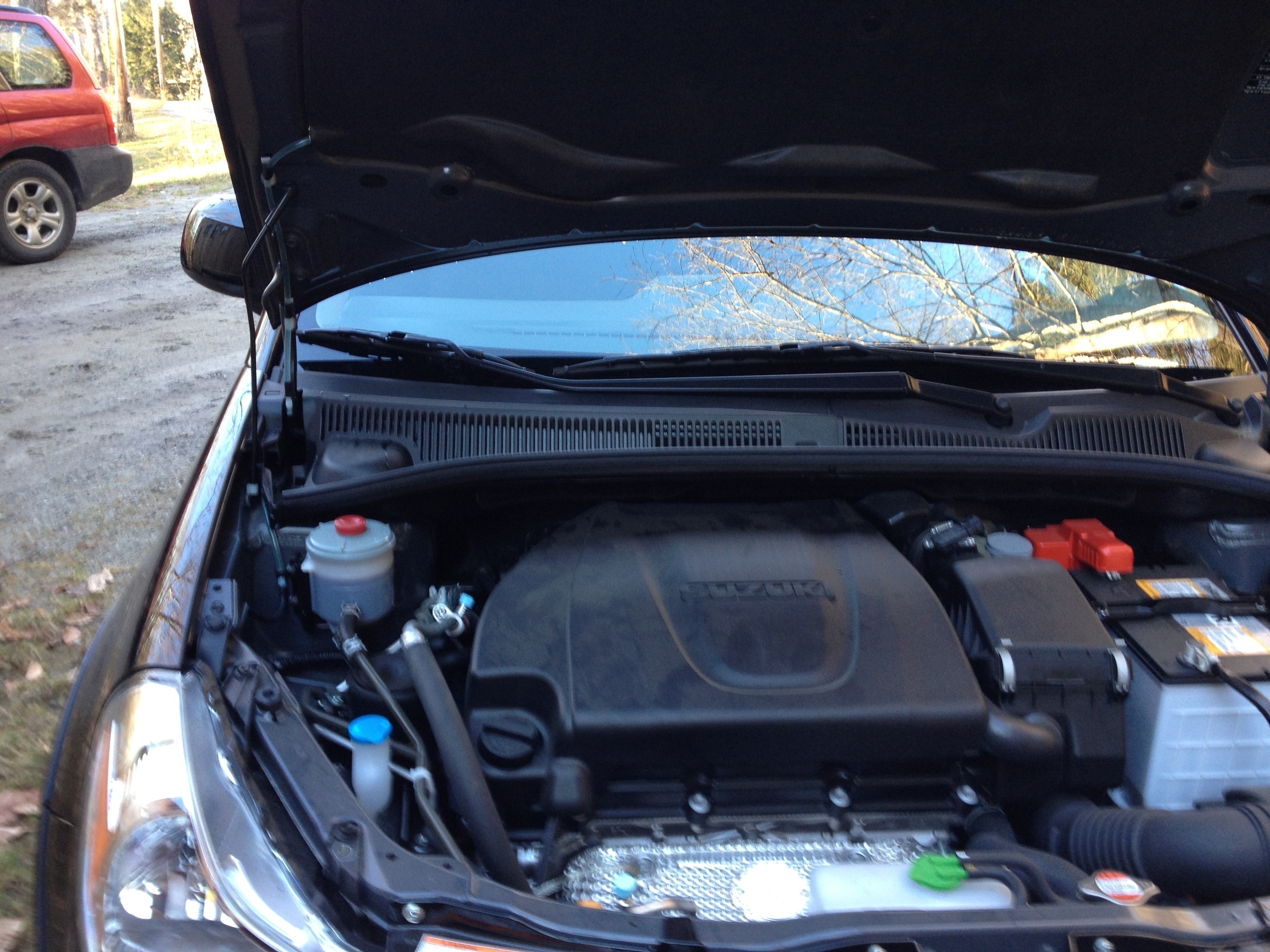
Here’s how to upgrade a 2012 Suzuki SX4 to have an armored air intake.
Pro-tip I didn’t know, most cars’ cabin air intake is somewhere right bellow the windshield on the passenger side. Usually you need to remove the piece of plastic that is between the windshield and the hood as pictured bellow.
A close up of the air intake and how completely unprotected it is.

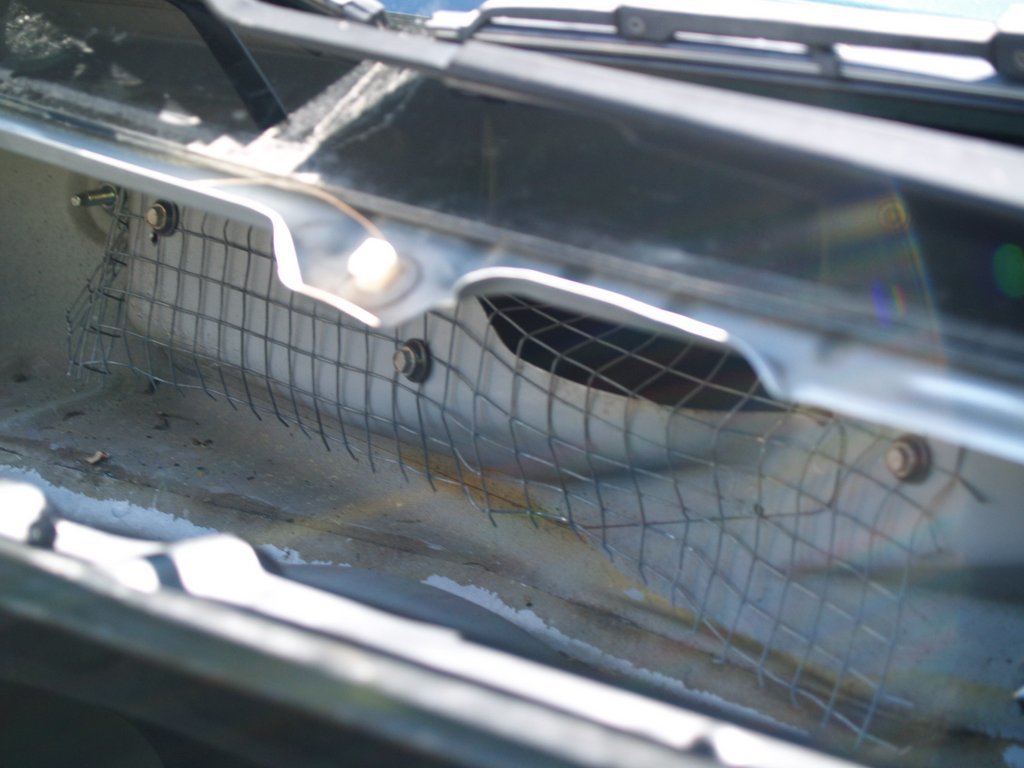
Now with protection, it looks pretty bad but it has done the job so far.
Back in business
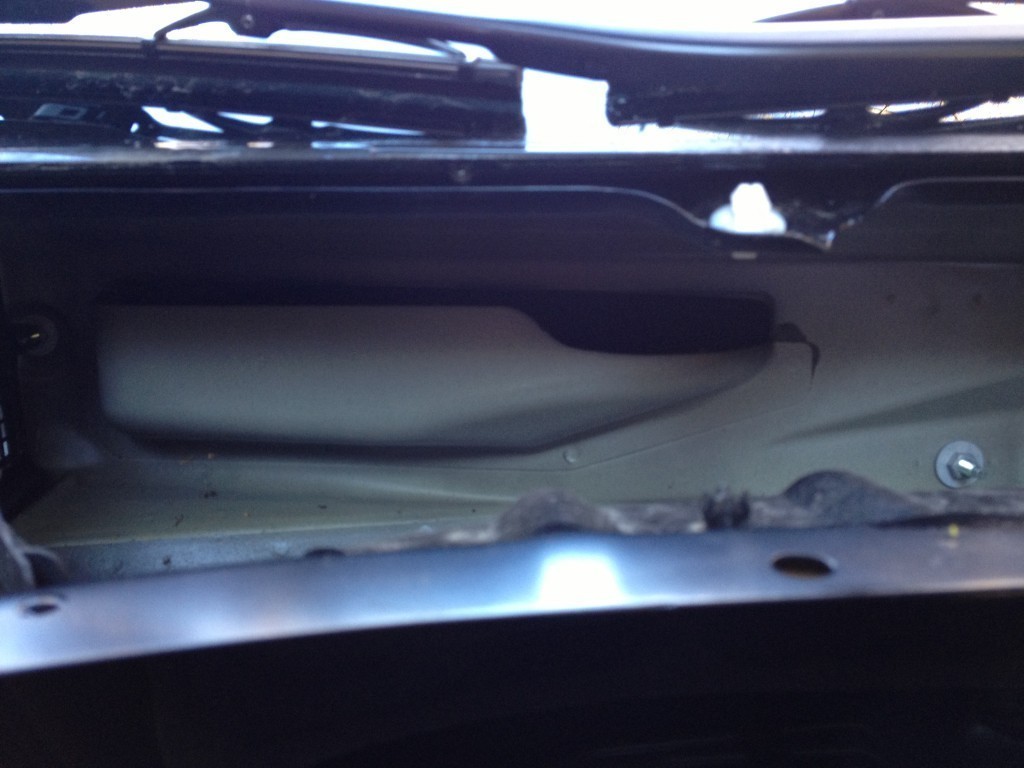
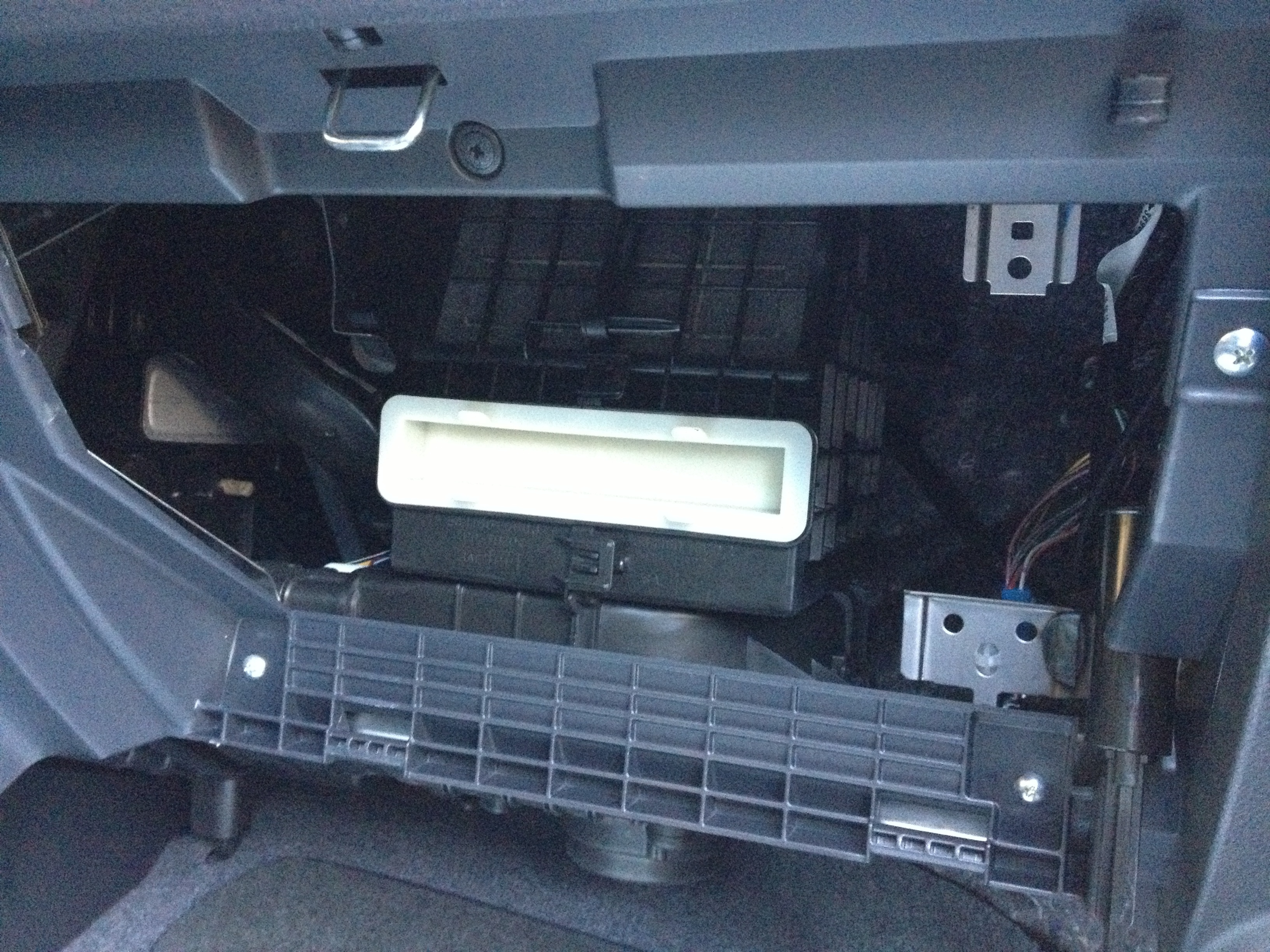
Here’s how to access the intake from the inside, it gives you access to the air filter. You just need to remove the glove box first, no screws need to be removed.
It’s pretty lame to post my dumb hack online but I’ve had an incredibly hard time finding any information about cabin air intakes for cars so I hope it’ll help someone.
2016-10-17 edit: Commenter André shares the picture of his setup. Ingenious use of self drilling roofing screws!
André: ”we added a few more screws after this was taken to mold the wire mesh tight against the opening”
Chicken cam – back online!
But with a serious loss of functionality. Given the internet connection that I have (cellular) I can’t reasonably set it up to do live streaming. I’ve also disabled interaction with the cam. What’s left is an image uploaded every hour. Not super duper cool but I’ll take what I can get in this neck of the woods.
Hopefully this will get better when better internet is available.

ZFS send/receive accross different transport mechanisms
Sending ZFS snapshots across the wires can be done via multiple mechanisms. Here are examples of how you can go about it and what the strengths and weaknesses are for each approach.
SSH
strengths: encryption / 1 command on the sender
weaknesses: slowest
command:
[bash]zfs send tank/volume@snapshot | ssh user@receiver.domain.com zfs receive tank/new_volume[/bash]
NetCat
strengths: pretty fast
weaknesses: no encryption / 2 commands on each side that need to happen in sync
command:
on the receiver
[bash]netcat -w 30 -l -p 1337 | zfs receive tank/new_volume[/bash]
on the sender
[bash]zfs send tank/volume@snapshot | nc receiver.domain.com 1337[/bash]
(make sure that port 1337 is open)
MBuffer
strengths: fastest
weaknesses: no encryption / 2 commands on each side that need to happen in sync
command:
on the receiver
[bash]mbuffer -s 128k -m 1G-I 1337 | zfs receive tank/new_volume[/bash]
on the sender
[bash]zfs send tank/volume@snapshot | mbuffer -s 128k -m 1G -O receiver.domain.com:1337[/bash]
(make sure that port 1337 is open)
SSH + Mbuffer
strengths: 1 command / encryption
weaknesses: seems CPU bound by SSH encryption, may be a viable option in the future?
command:
[bash]zfs send tank/volume@snapshot | mbuffer -q -v 0 -s 128k -m 1G | ssh root@receiver.domain.com ‘mbuffer -s 128k -m 1G | zfs receive tank/new_volume'[/bash]
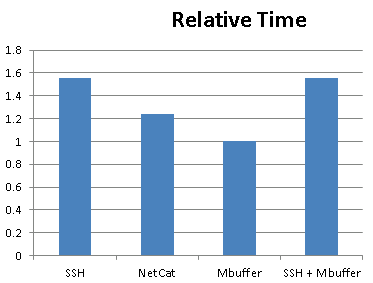
Finally, here is a pretty graph of the relative time each approach takes:
SSH + MBuffer would seem like the best of both worlds (speed & encryption), unfortunately it seems as though CPU becomes a bottleneck when doing SSH encryption.
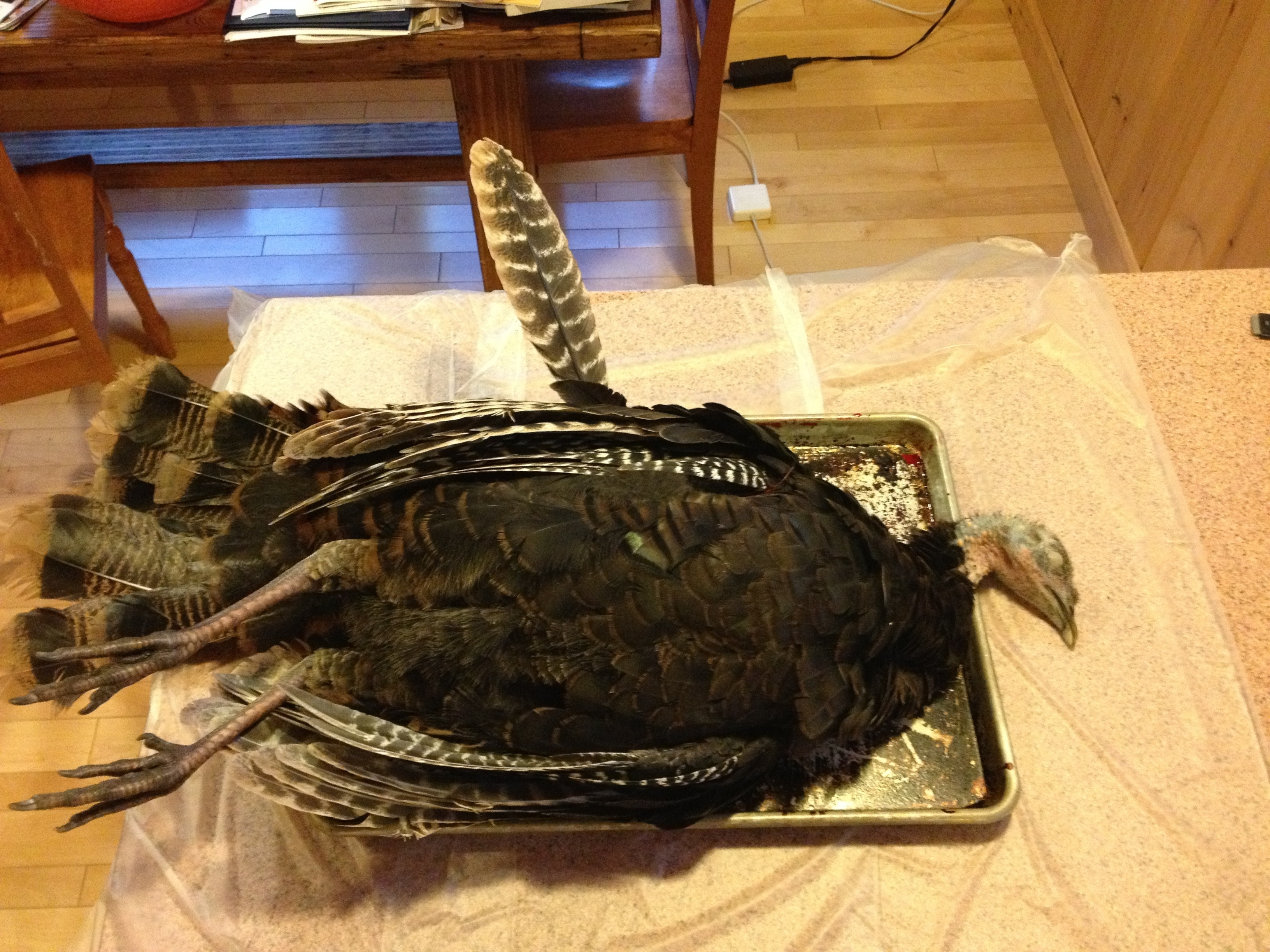
That's as close as they let me get
2 hours tracking them, they were very very sneaky. Given that I was on a sloped terrain, I naturally went for high ground which was a mistake, they can fly away from you much faster going downhill.
[flv:http://ben.akrin.com/wp-content/uploads/2012/10/IMG_1875.MOV.flv http://ben.akrin.com/wp-content/uploads/2012/10/thumbnail.png 688 387]
New toy :D
[flv:http://ben.akrin.com/wp-content/uploads/2012/10/IMG_1786.MOV.flv http://ben.akrin.com/wp-content/uploads/2012/10/Screen-Shot-2012-10-09-at-8.58.34-PM.png 688 387]
MDNS/Bonjour printer discovery script
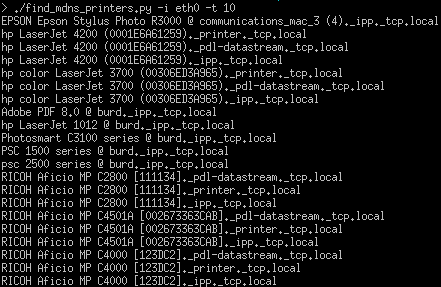
Here’s a script I wrote whose purpose is to discover the printers that are currently being advertised by Bonjour on the network. The reason I wrote it was for a Nagios check that would in term verify that our printers were present. Writing it took me through the meanders of MDNS in Python & on Linux with multiple vlans. Let’s just say non-trivial.
Download
Sample output
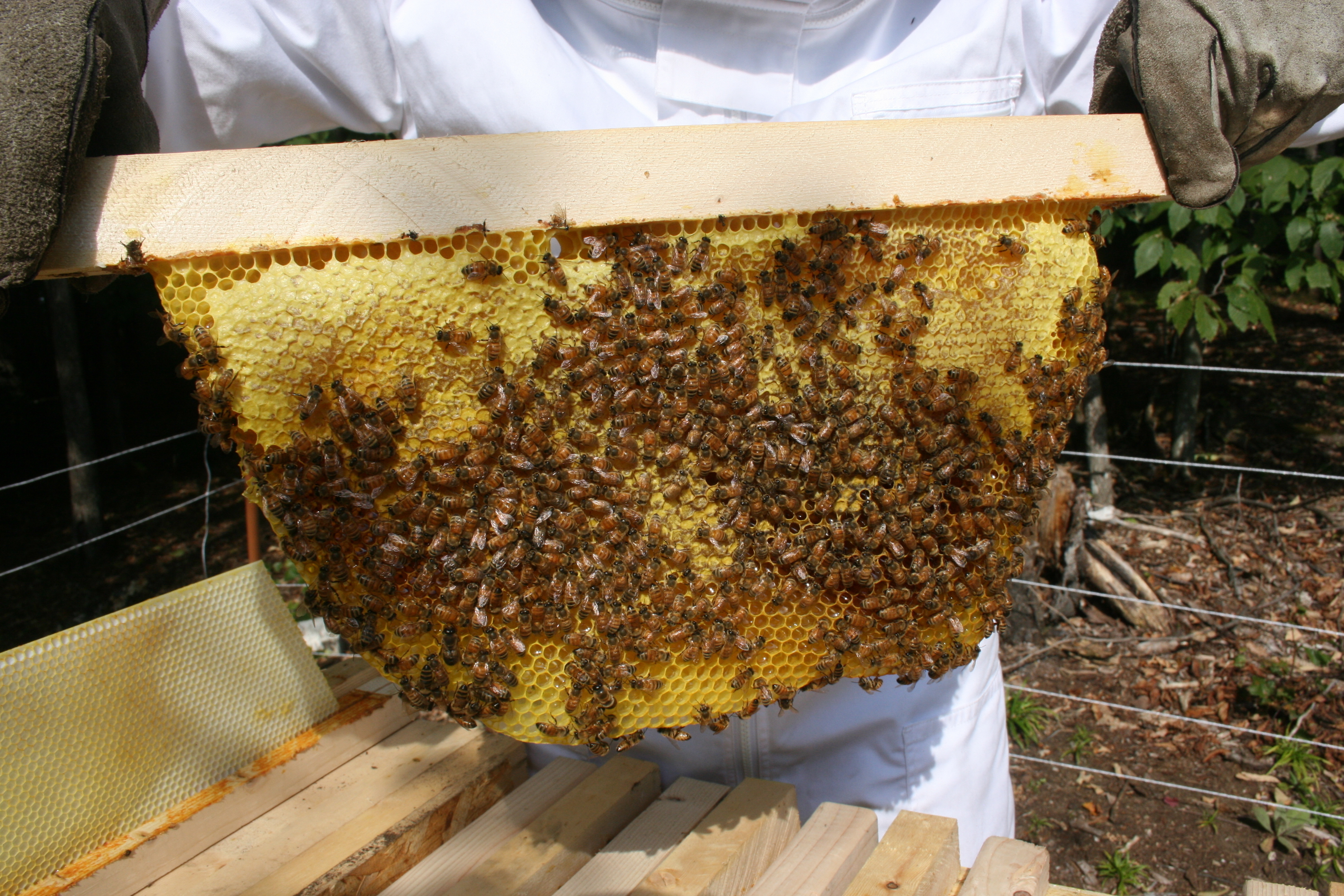
Everything is back under control in the hive
The unfortunate effect that I had in the hive by trying to fix things and enforce straight comb drawing had me pretty pessimistic about the chances of my bees this winter. Everything was completely disorganized with brood and honey in random places, way too many drones and barely any honey.
The lesson I learned is that the hive is self healing and surprisingly so. Today’s inspection was an amazing discovery of their capacity to adjust. They reorganized all the frames, gathered some very good honey reserves late in the season and have a very healthy population.
And the best part is that the approach of enforcing straight comb drawing with plastic foundation every other frame worked! It’s still not an ideal scenario to have plastic in my “natural” top bar hive but it definitely takes care of the problem and I still get half of the frames 100% built by the bees.
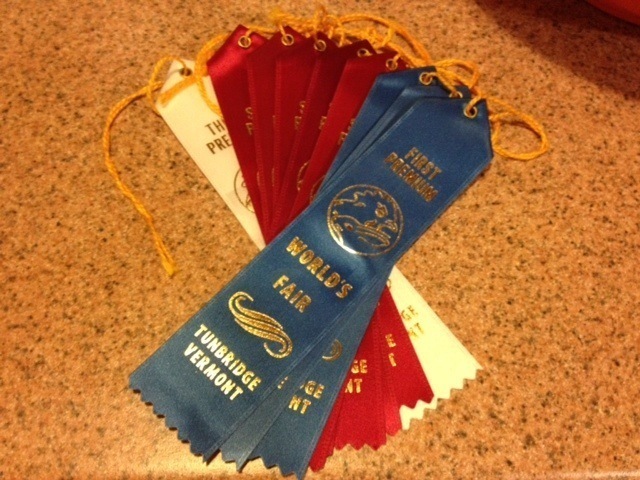
Dragon #4 – First Premium at the Tunbridge World’s Fair!
Among other things, I entered a dragon at the craft section of the Tunbridge World’s Fair. Here it is in all its glory.

FreeBSD 9.0: higher MTU & NIC bonding
Here’s is some information that took me a good while to gather.
With the igb driver in FreeBSD, the mbuf cluster size needed is a mathematical formula involving the number of CPUs & the desired MTU. Unfortunately, it is currently hard set. On enterprise machines with many cores and higher MTUs, it is quite easy to reach this set limit. It will express itself with the following error message after an ifconfig:
igb0: Could not setup receive structures
This limit can be overridden with the following in /etc/sysctl.conf
[code]kern.ipc.nmbclusters=131072
kern.ipc.nmbjumbo9=38400[/code]
These are the value that worked for 16 cores & an MTU of 9000.
While we’re at it, it took me a while to nail the exact syntax require for NIC bonding so here it is:
/etc/rc.conf
[code]if_lagg_load=”YES”
ifconfig_igb0=”mtu 9000 UP”
ifconfig_igb1=”mtu 9000 UP”
cloned_interfaces=”lagg0″
ifconfig_lagg0=”laggproto failover laggport igb0 laggport igb1 192.168.0.123 netmask 255.255.255.0″[/code]
As far as I can tell, capitalization matters…
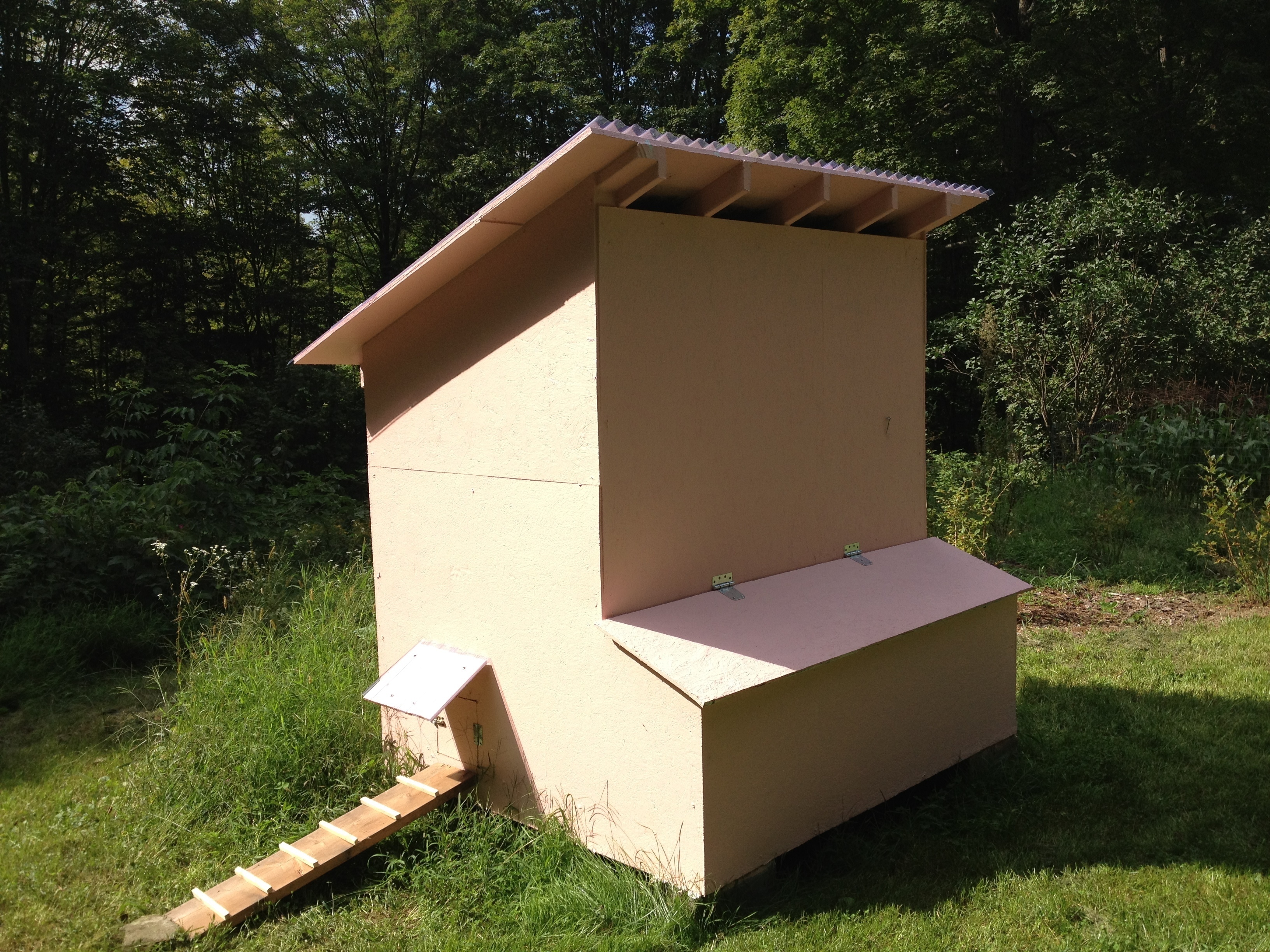
Chicken Coop!
It’s been over a year since our move away from the city and we’re finally getting back into chickens. Things take time, starting fresh at the other end of the country doesn’t happen overnight. We only got 5 layers as we’re pretty late in the season, we’ll start meat birds next spring.
The coop still needs some polish and a window but here it is in all its current glory:
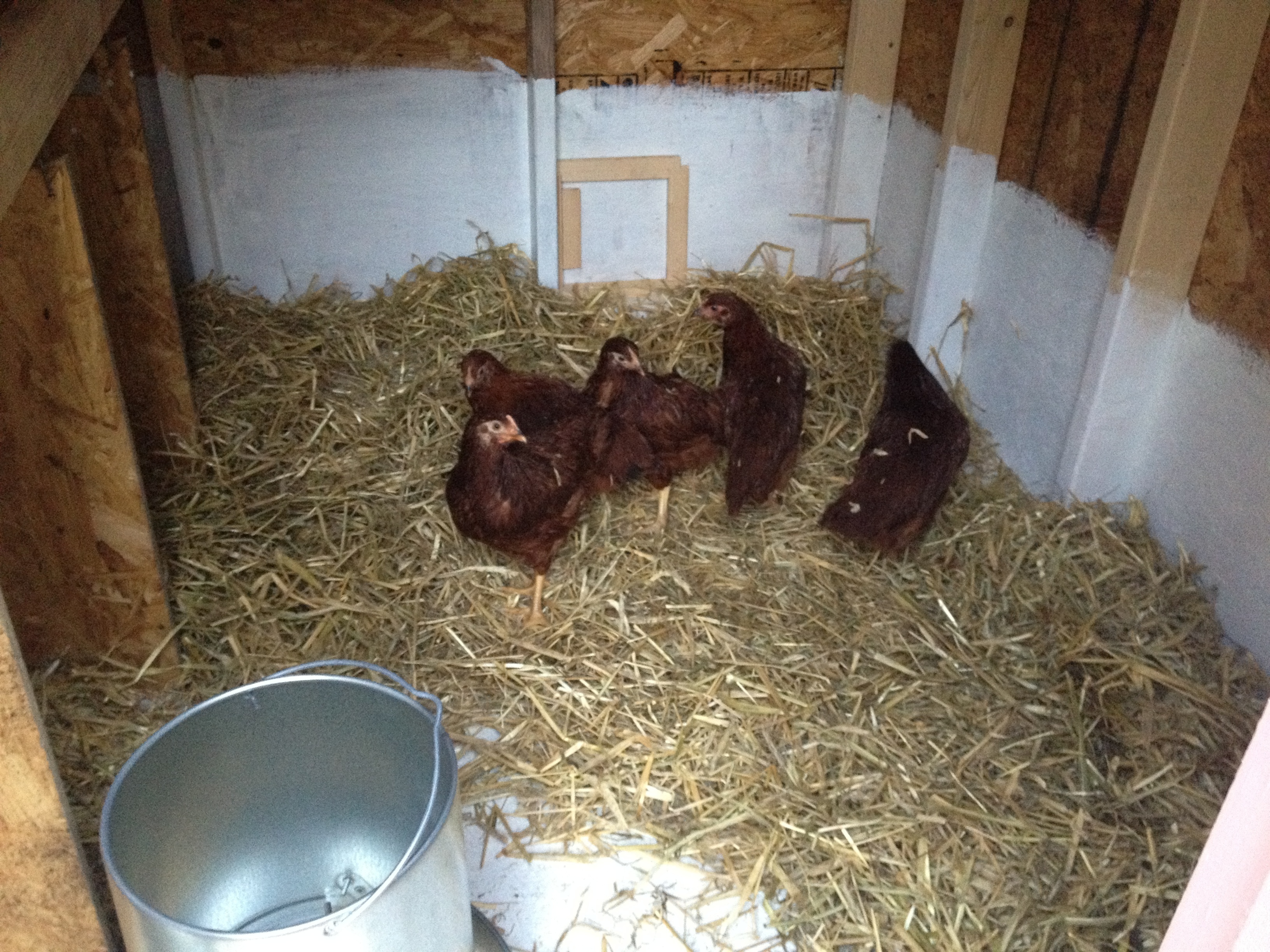
With a bunch of Rhode-Island Reds
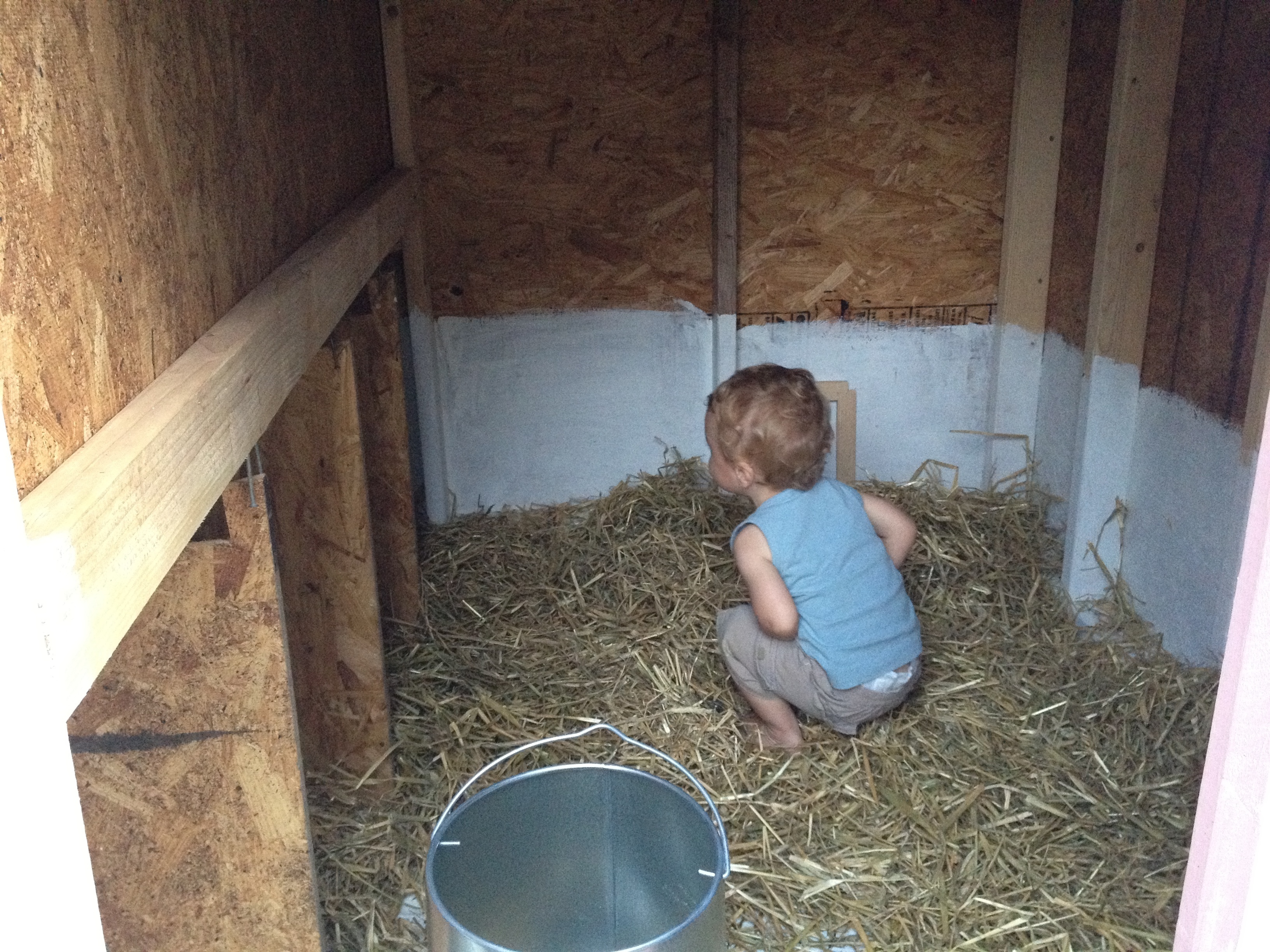
Works for toddlers as well
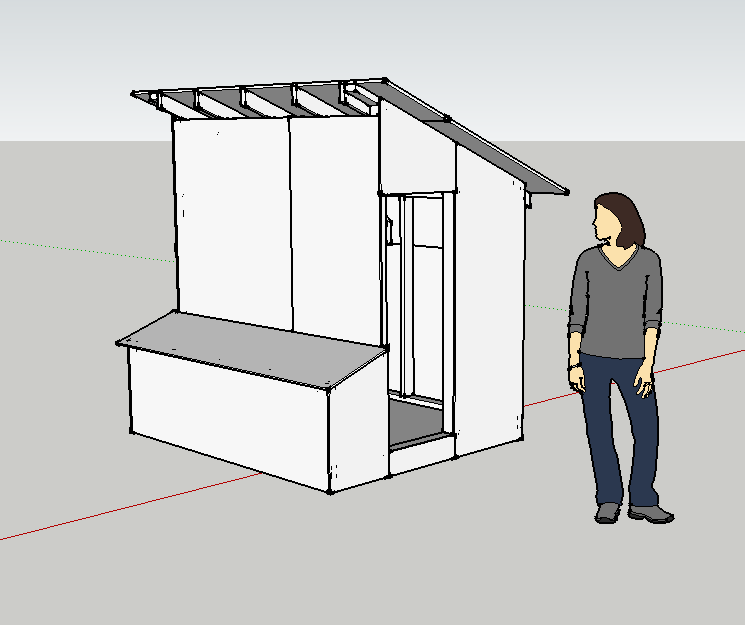
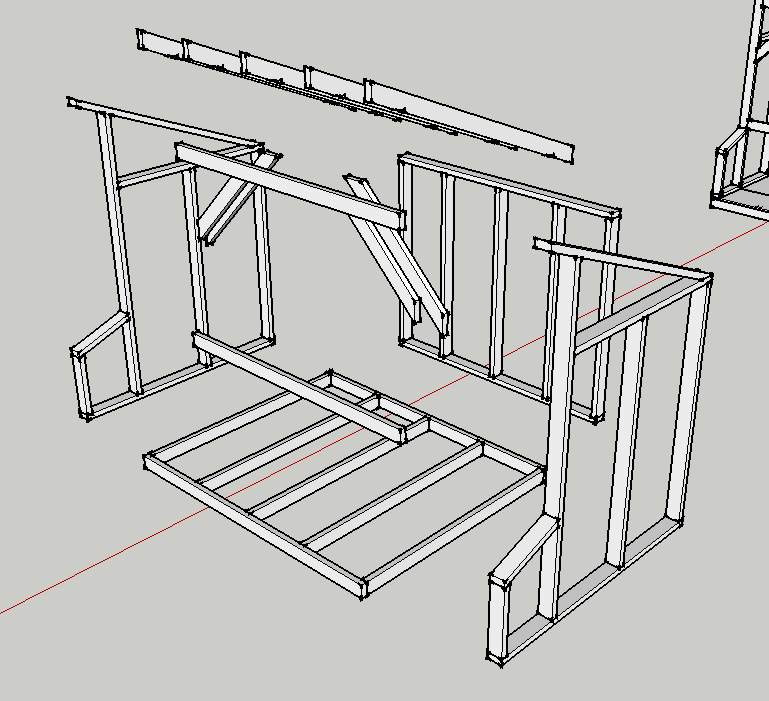
As with the beehive, I drafted everything on Google Sketchup and it made building it completely devoid of surprises. The plan can be downloaded here.
Evil
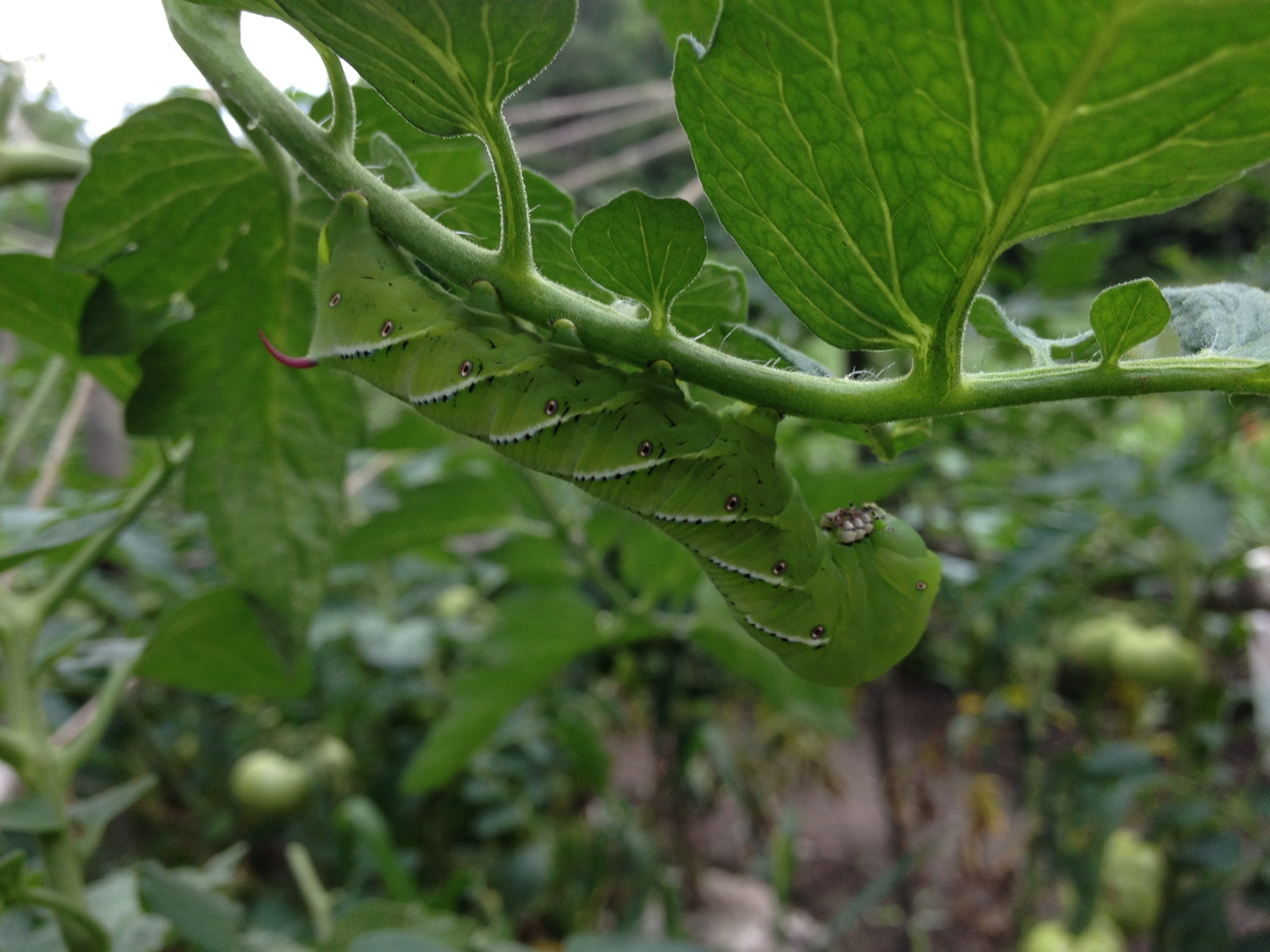
There is a new evil in the land, and its name is Manduca Sexta, or horn worm for us mortals. These fat slimy caterpillars have started pillaging our tomato plants.
One of them bastards getting fat at our expense, what a cool pattern though, especially the eye.
All they leave behind are the skeletons of what were once beautiful tomato plants
We’ve been squashing them left and right but they keep coming and their camouflage is extremely effective. It looks as though spraying with an organic compound referred to as “BT” is the solution to our problem.
More top bar bullshit
After the bee holocaust that was my first harvest, it became evident that I needed to monitor the hive more often for misaligned comb. They didn’t take long to fuck things up again by building shit all over the place.
Well that’s just great
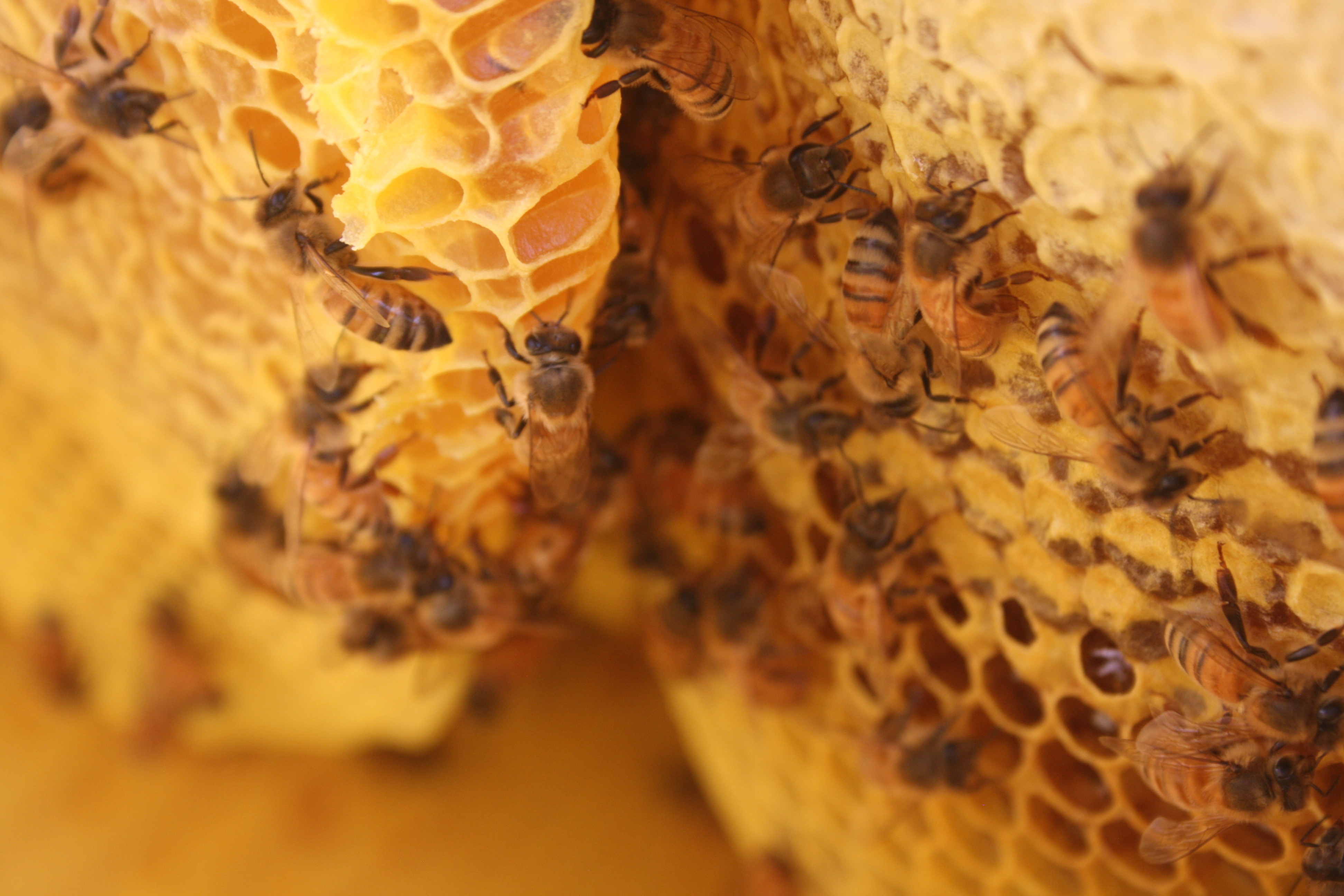
As you can see on the above picture, they’re building from the walls, the ground and the comb on the bar to the right is slightly misaligned. What you are not seeing is that the layout of brood, honey & nectar throughout the hive is completely inconsistent. Where before brood was towards the front, honey the middle and nectar the back; everything is now all over the place most likely as a result of my adding empty bars and moving things around to encourage straight comb drawing.
They started working on this mess a week ago and as soon as I saw it I ordered a bunch of these guys. Let’s ponder on the absurdity of the situation: the main argument for Top Bar Beekeeping is that it’s more natural, you let the bees do their things and yoink some honey every once in a while. Well guess what, you need the bees to build their shit exactly right or you’ll be decimating them every harvest for not much at all. I’m reduced to adding plastic foundation to my “natural” hive to enforce rather than encourage straight comb. And I’m sure they’ll figure out a way to fuck this up as well.
This is my last attempt at fixing this, if they don’t get it right we’ll ditch Top Bar in favor of Langstroth next season.
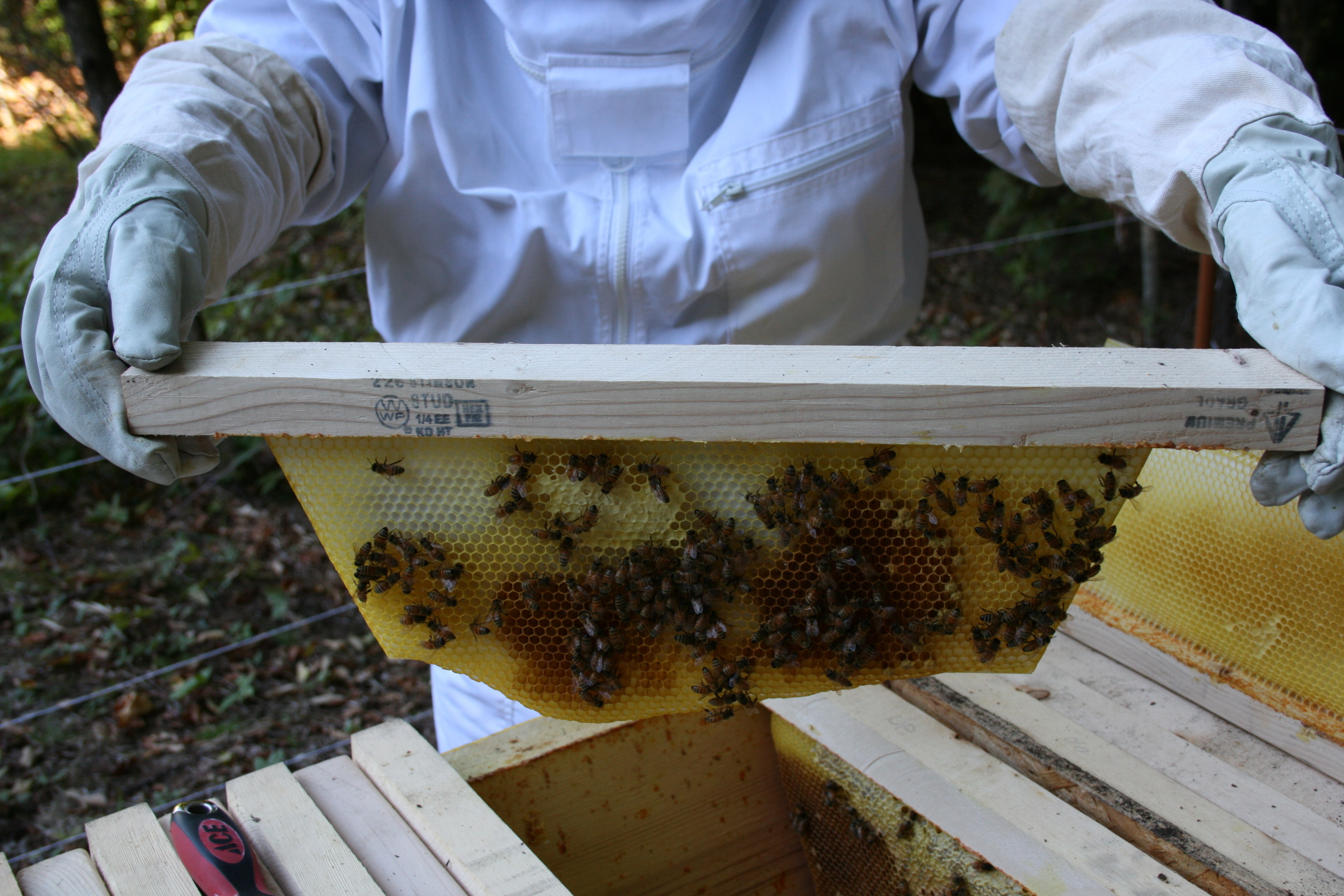
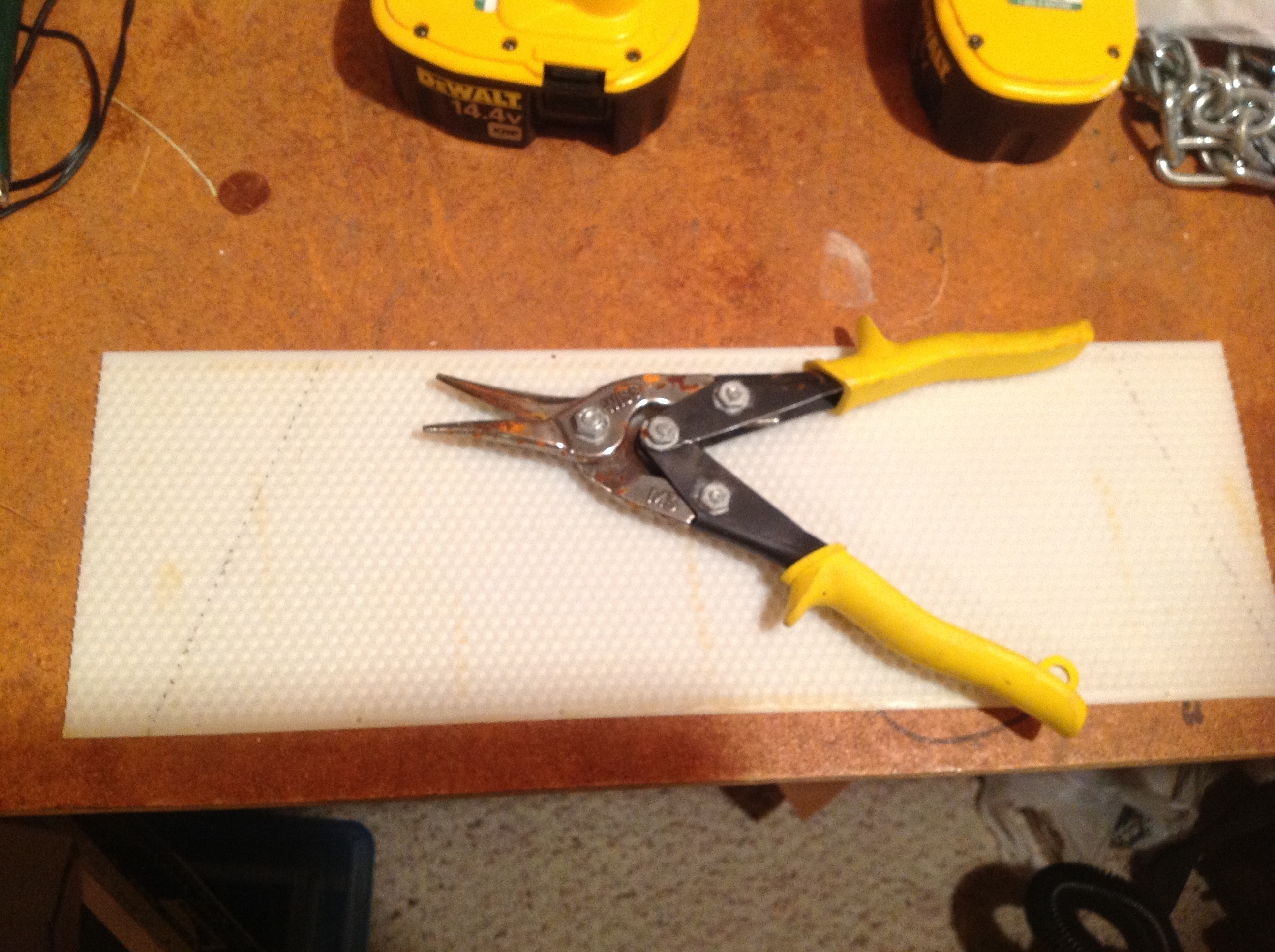
Cutting the plastic frames to specs
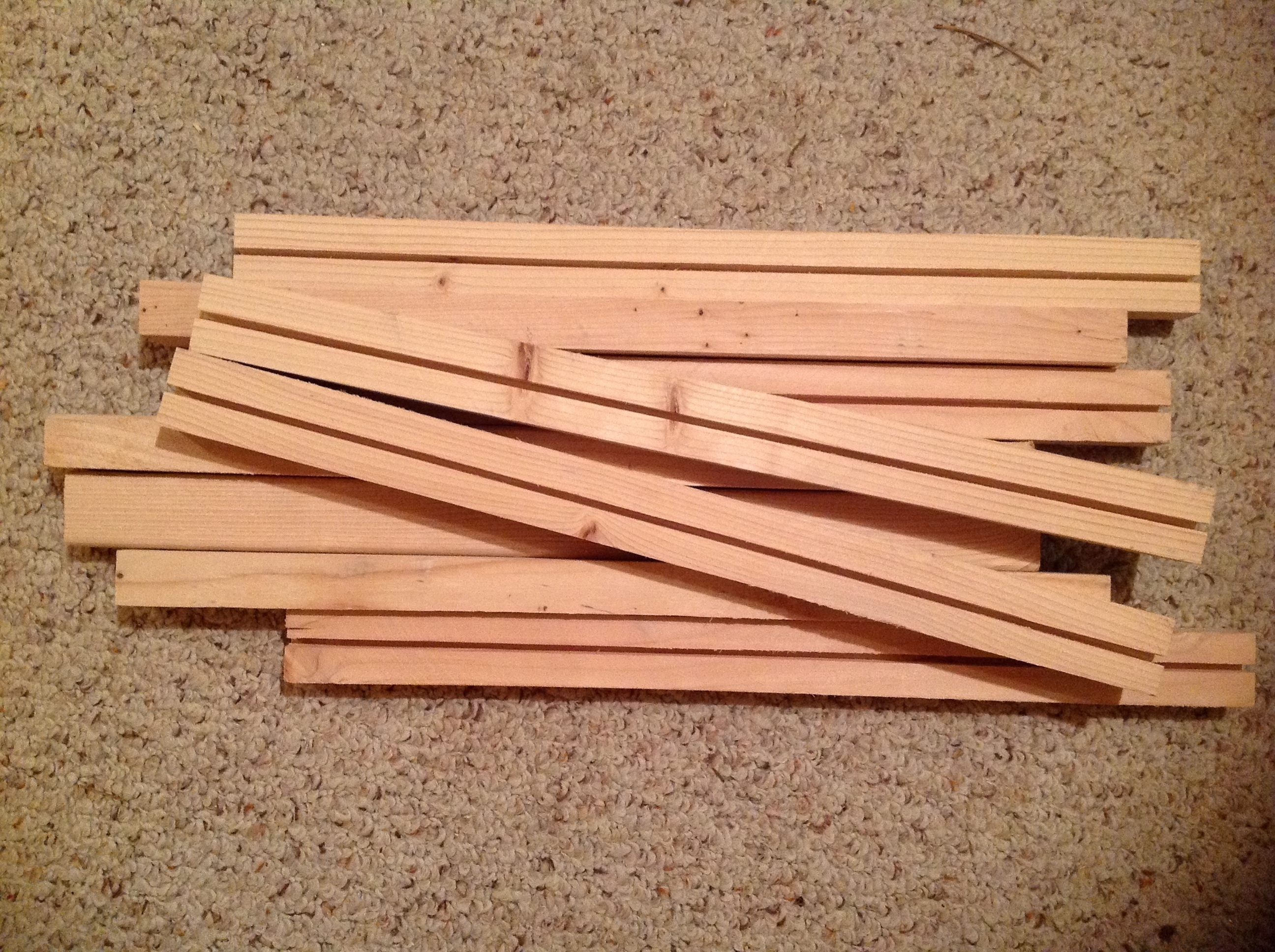
A bunch of top bars with a slit a little wider to accommodate the plastic foundation
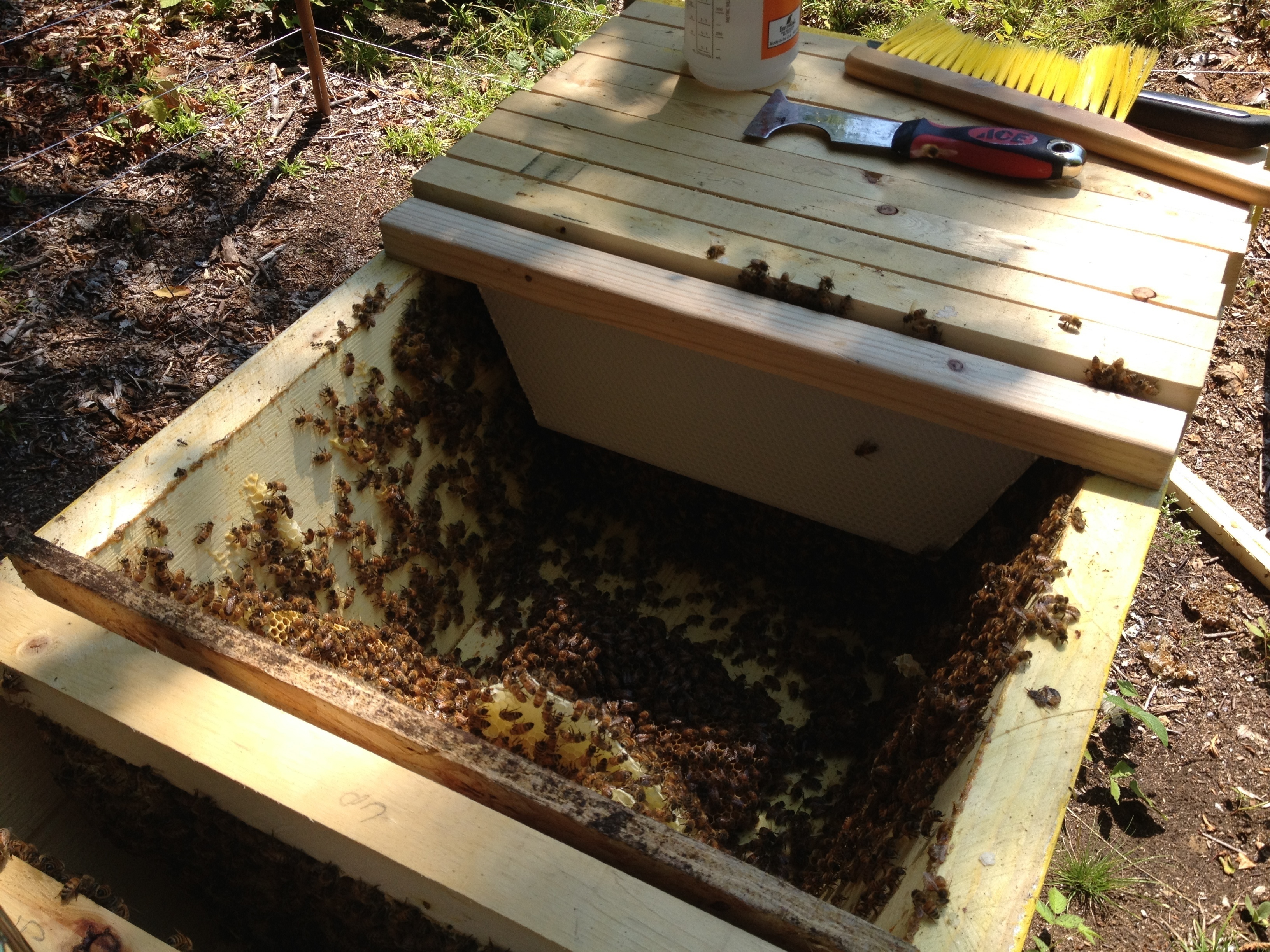
Plastic top bar
Good luck mis-aligning that
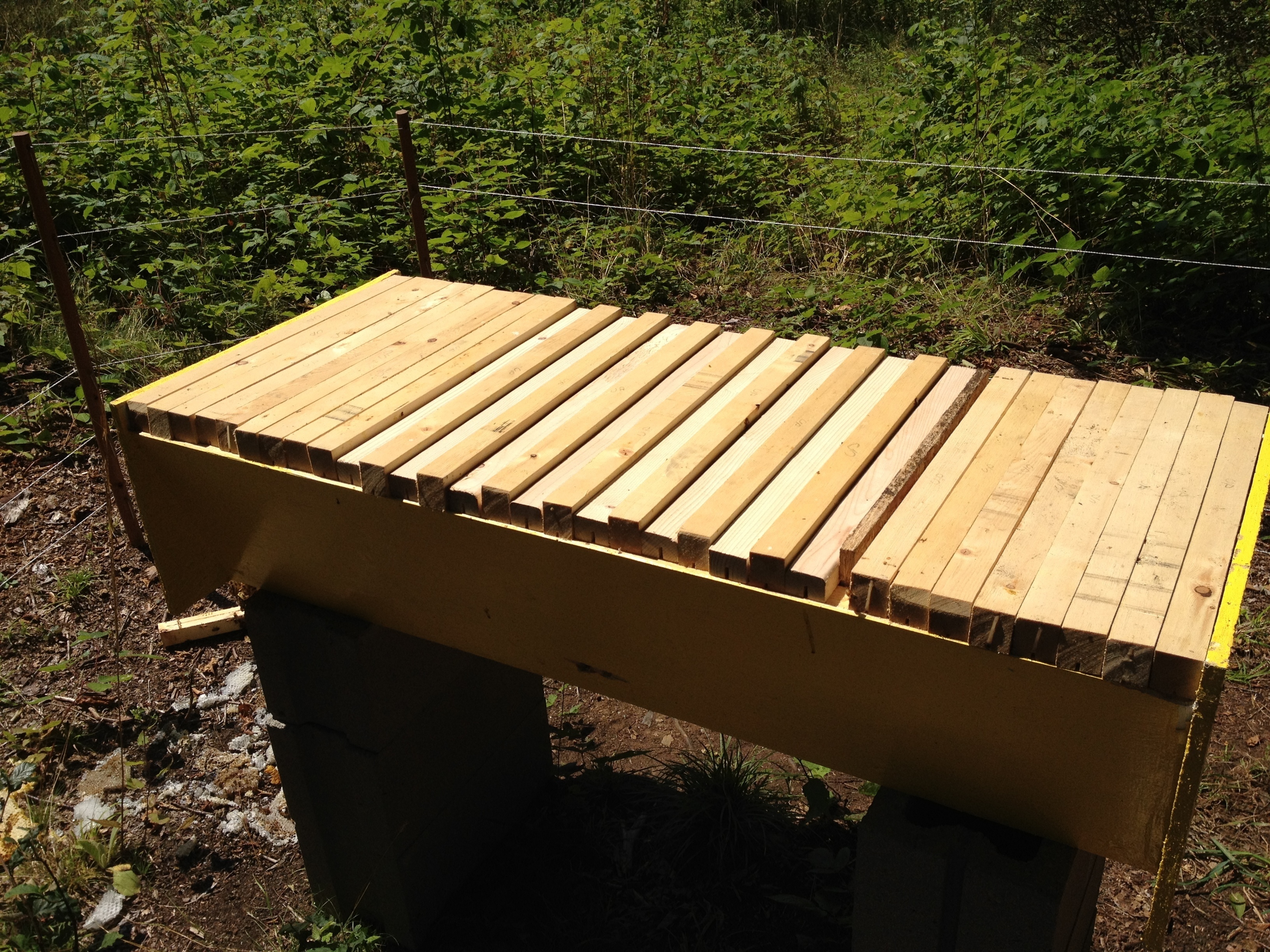
I did every other bar in the area of the hive that was a mess
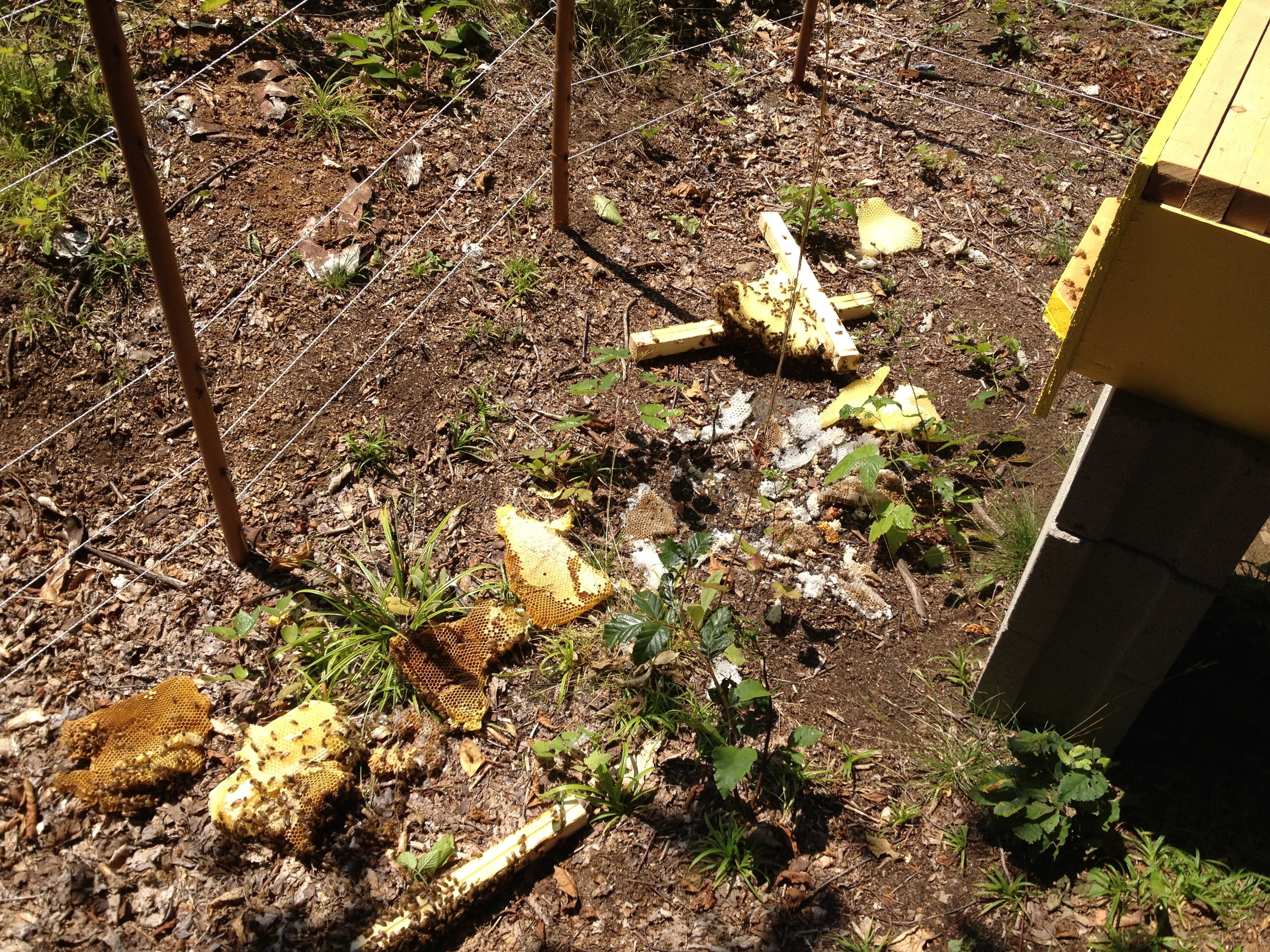
As is becoming routine with top bar beekeeping: waste left for the bees to rob clean